
How Defined Benefit Pensions Compare to Defined Contribution Plans
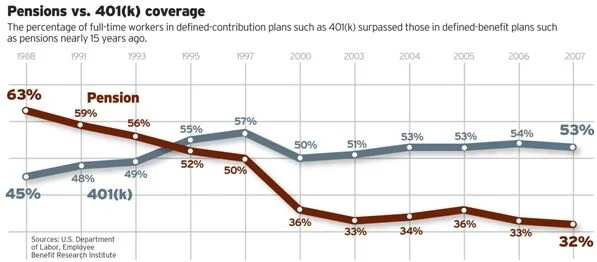
When planning for retirement, understanding the various types of pension plans is essential. Two of the most common types are defined benefit pensions and defined contribution plans. Each has its unique features, benefits, and drawbacks that can significantly affect your financial future. In this article, we will explore the key differences between these two pension types, helping you make an informed decision about your retirement strategy.
What Are Defined Benefit Pensions?
A defined benefit pension plan is a retirement plan where an employer guarantees a specified monthly benefit upon retirement. This benefit is typically based on a combination of factors, including the employee's salary history, years of service, and a predetermined formula. Here are some characteristics of defined benefit pensions:
- Predictable Income: Retirees receive a set amount each month, providing financial stability.
- Employer Responsibility: The employer is responsible for funding the plan and managing the investments.
- Longevity Risk Protection: These plans often provide lifetime benefits, protecting against the risk of outliving your savings.
What Are Defined Contribution Plans?
A defined contribution plan, on the other hand, does not guarantee a specific benefit at retirement. Instead, it allows employees and employers to contribute a certain amount of money into individual accounts. The retirement benefit depends on the contributions made and the performance of the invested funds. Key features of defined contribution plans include:
- Investment Control: Employees typically have the ability to choose how their funds are invested, allowing for potential growth but also presenting risk.
- Contribution Limits: There are annual limits on how much can be contributed to these plans, which can vary based on regulations.
- Portability: Employees can often transfer their account to a new employer's plan or roll it into an IRA if they change jobs.
Key Differences Between the Two Plans
Funding and Responsibility
One of the most significant differences between defined benefit and defined contribution plans is the responsibility for funding. In a defined benefit plan, the employer bears the financial risk and must ensure that sufficient funds are available to meet future obligations. In contrast, defined contribution plans place the responsibility on the employee to contribute and manage their investments, making them more vulnerable to market fluctuations.
Benefit Structure
The structure of the benefits is another critical difference. Defined benefit plans provide a predictable income stream that is calculated based on a formula, usually considering years of service and salary history. This predictability can provide peace of mind for retirees. Conversely, defined contribution plans provide benefits that depend on the account balance at retirement, which can vary significantly based on investment performance.
Risk Factors
Defined benefit pensions offer a safety net against market risks, as the employer is obligated to pay the promised benefit regardless of investment performance. In contrast, defined contribution plans expose employees to market risks, meaning that the retirement savings can fluctuate with market conditions. This difference can lead to greater uncertainty in retirement income for those relying on defined contribution plans.
Flexibility and Control
Defined contribution plans generally provide more flexibility and control for employees. Participants can often choose their contribution levels, select investment options, and adjust their strategies as they approach retirement. This can be appealing for those who are financially savvy and prefer to take an active role in managing their retirement savings. On the flip side, defined benefit plans offer less flexibility, as the benefits are predetermined and managed by the employer.
Tax Implications
Both defined benefit and defined contribution plans offer tax advantages, but they operate differently. Contributions to defined contribution plans are often made with pre-tax dollars, allowing for tax-deferred growth until withdrawal. Defined benefit plans also provide tax deferral on contributions, but the employer typically handles tax obligations directly, which can simplify the process for employees.
Which Plan is Right for You?
The choice between a defined benefit pension and a defined contribution plan largely depends on personal circumstances, career path, and financial goals. Here are some factors to consider:
- Job Stability: If you work for a company that offers a defined benefit plan, you may benefit from the security it provides, especially if you plan to stay long-term.
- Investment Knowledge: If you are comfortable managing investments and understanding market risks, a defined contribution plan may suit you better.
- Retirement Goals: Consider your retirement income needs and how each plan aligns with your goals for financial independence.
Conclusion
Both defined benefit pensions and defined contribution plans have their pros and cons, and understanding these differences is crucial for effective retirement planning. Defined benefit plans offer predictable income and employer responsibility, while defined contribution plans provide flexibility and control but come with market risks. Ultimately, the right choice for you will depend on your individual circumstances and retirement goals. By carefully evaluating your options, you can build a retirement strategy that aligns with your financial needs and aspirations.
Si quieres conocer otros artículos parecidos a How Defined Benefit Pensions Compare to Defined Contribution Plans puedes visitar la categoría Taxes & Personal Finance.
Related posts