
Inherited IRAs and the 10-Year Rule: Tax Implications Explained
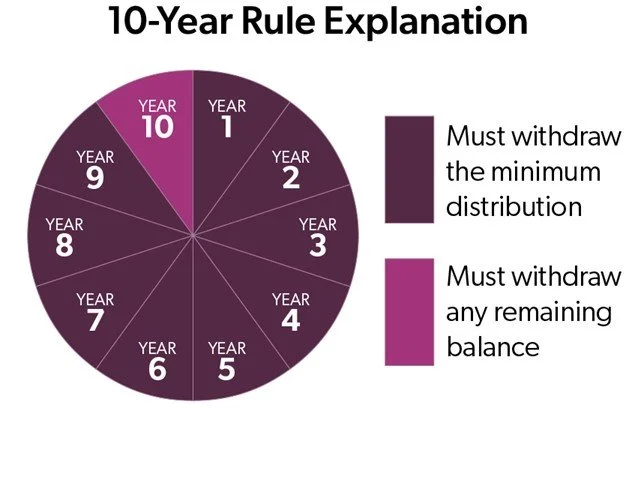
When it comes to retirement planning, Individual Retirement Accounts (IRAs) are a popular choice for many individuals looking to save for their future. However, the rules surrounding inherited IRAs can be complex, particularly with the introduction of the 10-year rule as part of the SECURE Act of 2019. Understanding these implications is crucial for anyone who has inherited an IRA or is planning their estate. This article will explore the 10-year rule, its tax implications, and strategies for managing inherited IRAs effectively.
What is an Inherited IRA?
An inherited IRA is an account that is transferred to a beneficiary after the original account holder's death. This type of IRA allows the beneficiary to continue receiving tax-deferred growth on the investments within the account. However, the rules governing distributions from inherited IRAs differ significantly from those of traditional IRAs.
The SECURE Act and the 10-Year Rule
Before the SECURE Act, non-spouse beneficiaries could stretch distributions from inherited IRAs over their life expectancy. However, the SECURE Act changed this by introducing the 10-year rule for most non-spouse beneficiaries. Under this rule, beneficiaries must withdraw the entire balance of the inherited IRA within ten years of the account holder's death.
Who is Affected by the 10-Year Rule?
- Non-spouse beneficiaries: The 10-year rule primarily affects non-spousal beneficiaries, such as children, grandchildren, or other relatives.
- Spousal beneficiaries: Spouses have different options and may choose to treat the inherited IRA as their own, allowing for more flexibility in withdrawals.
- Eligible designated beneficiaries: Certain individuals, such as minor children or disabled individuals, are exempt from the 10-year rule and can still stretch distributions over their life expectancy.
Tax Implications of the 10-Year Rule
Understanding the tax implications of the 10-year rule is essential for beneficiaries to avoid unexpected tax burdens. Here’s how the rule impacts taxation:
Distributions and Taxation
Under the 10-year rule, beneficiaries can take distributions at any time during the ten-year period. However, all distributions are subject to income tax, and the total amount withdrawn will be added to the beneficiary's taxable income for that year. This could potentially push the beneficiary into a higher tax bracket, resulting in a larger tax bill. Therefore, it is crucial to plan the timing and amount of withdrawals carefully.
Strategies for Tax-Efficient Withdrawals
- Staggered Withdrawals: Instead of withdrawing large sums in one year, consider taking smaller distributions over several years to manage the tax impact.
- Tax Bracket Management: Withdraw amounts that keep you in a lower tax bracket, allowing you to minimize your overall tax liability.
- Consult a Tax Professional: A tax advisor can help you develop a strategy tailored to your financial situation, ensuring that you navigate the complexities of tax implications effectively.
Special Considerations for Spousal Beneficiaries
Spousal beneficiaries have more flexibility than non-spousal beneficiaries when it comes to inherited IRAs. They can choose to:
- Roll Over the IRA: Spouses can roll over the inherited IRA into their own IRA, allowing them to defer taxes until they begin distributions.
- Keep It As An Inherited IRA: If they choose to keep the account as an inherited IRA, they can still take distributions based on their life expectancy, potentially prolonging tax-deferred growth.
Common Mistakes to Avoid
Beneficiaries often make mistakes that can lead to unnecessary penalties and taxes. Here are some common pitfalls to avoid:
- Ignoring the Deadline: Failing to withdraw the full balance by the end of the 10-year period can result in a hefty tax penalty.
- Withdrawing Too Much in One Year: Taking large withdrawals can significantly increase your taxable income, resulting in higher taxes.
- Not Consulting Professionals: Attempting to navigate the rules without professional guidance can lead to costly mistakes.
Conclusion
Inherited IRAs can be a valuable tool for beneficiaries, but the introduction of the 10-year rule has added complexity to the distribution process. Understanding the tax implications and planning withdrawals strategically is essential to minimize tax burdens and maximize the benefits of the inherited account. For both non-spousal and spousal beneficiaries, seeking advice from tax professionals can ensure that you make informed decisions, helping you navigate the intricacies of inherited IRAs effectively. As always, staying informed about changes in tax laws and regulations is key to successful retirement and estate planning.
Si quieres conocer otros artículos parecidos a Inherited IRAs and the 10-Year Rule: Tax Implications Explained puedes visitar la categoría Taxes & Personal Finance.
Related posts