
Working in Retirement: How Earned Income Affects Social Security Payouts
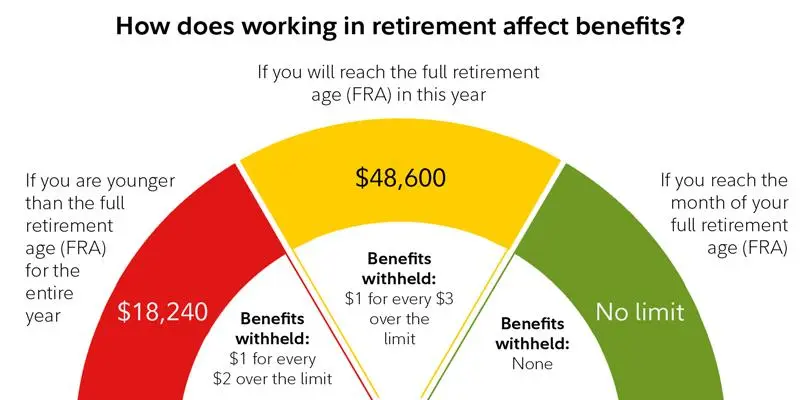
Many retirees find themselves drawn back into the workforce, whether for financial reasons, to stay active, or to pursue a passion. However, if you're considering working while receiving Social Security benefits, it's crucial to understand how earned income can impact your payouts. In this article, we will explore the relationship between working in retirement and Social Security benefits, including how your earnings can affect your benefits, the rules surrounding this income, and tips for navigating this landscape.
Social Security is a vital program that provides financial support to retirees, disabled individuals, and survivors of deceased workers. The amount you receive is primarily based on your earnings history and the age at which you start claiming benefits. Generally, the longer you wait to claim Social Security—up to age 70—the higher your monthly benefits will be.
If you plan to work while receiving Social Security benefits, it’s important to know how your earned income can affect your payouts. The Social Security Administration (SSA) has specific rules regarding earned income, particularly for those who are below full retirement age (FRA). Here are the key points to consider:
1. Earnings Limit Before Full Retirement Age
If you are under your FRA and receiving Social Security benefits, your benefits may be reduced if you earn above a certain threshold. The SSA sets an annual earnings limit that changes periodically. For every dollar you earn above this limit, your benefits are reduced by a specific amount. This reduction is temporary; once you reach your FRA, your benefits will be recalibrated to account for the months that benefits were withheld.
2. Earnings After Full Retirement Age
Once you reach your FRA, you can earn any amount without affecting your Social Security benefits. This means you can work as much as you want and still receive your full benefits. This flexibility allows retirees to supplement their income without worrying about penalties, making it an attractive option for many.
Calculating Your Benefits with Earned Income
To understand how much your benefits may be affected by your earned income, it is essential to calculate your expected earnings and how they align with SSA thresholds. Here’s how you can approach it:
- Determine Your Expected Earnings: Estimate how much you plan to earn while working in retirement.
- Check the Earnings Limit: Refer to the current SSA guidelines for the earnings limit applicable to your situation.
- Calculate Potential Benefits Reduction: If your earnings exceed the limit, calculate how much your monthly benefits would be reduced.
For example, if the earnings limit is $19,560 and you earn $25,000, your benefits would be reduced by a certain amount until you reach your FRA. It is advisable to consult with a financial advisor or use the SSA's online calculators to get a clearer picture of how your specific situation will play out.
Additional Considerations
In addition to understanding the impact on your Social Security benefits, there are other factors to keep in mind when deciding to work in retirement:
1. Tax Implications
Working during retirement can also have tax implications. Your earned income may increase your taxable income, potentially affecting your tax bracket. Furthermore, if you earn too much, a portion of your Social Security benefits may become taxable. It is wise to consult a tax professional to understand how your retirement income may be taxed.
2. Health Insurance and Benefits
Working in retirement can also affect your eligibility for certain health insurance plans, including Medicare. If you are covered by an employer-sponsored health plan, you may want to review how this affects your Medicare enrollment and premiums.
Beyond financial considerations, working in retirement can provide a sense of purpose and opportunities for social engagement. Many retirees find that staying active in the workforce enhances their quality of life, allowing them to maintain social connections and stay mentally stimulated.
Tips for Successfully Balancing Work and Retirement
If you decide to work while receiving Social Security benefits, here are some tips to help you navigate the process effectively:
- Stay Informed: Regularly check the SSA website or contact them directly for the latest information on earnings limits and benefit calculations.
- Plan Ahead: Consider how your work schedule will align with your retirement goals and financial needs.
- Consult Professionals: Seek advice from financial planners and tax professionals to make informed decisions.
- Explore Flexible Work Options: Look for part-time or freelance opportunities that allow you to work at your pace while enjoying retirement.
Conclusion
Working during retirement can be a rewarding way to supplement your income and stay engaged in the community. However, it is essential to understand how your earned income can impact your Social Security benefits. By staying informed about the rules, calculating your potential benefits reduction, and considering the broader implications of working in retirement, you can make informed decisions that align with your financial and personal goals. Whether you choose to dive back into the workforce or enjoy a leisurely retirement, understanding these factors will help you navigate your financial future more effectively.
Si quieres conocer otros artículos parecidos a Working in Retirement: How Earned Income Affects Social Security Payouts puedes visitar la categoría Taxes & Personal Finance.
Related posts