
How Required Minimum Distributions (RMDs) Affect Your Retirement Taxes
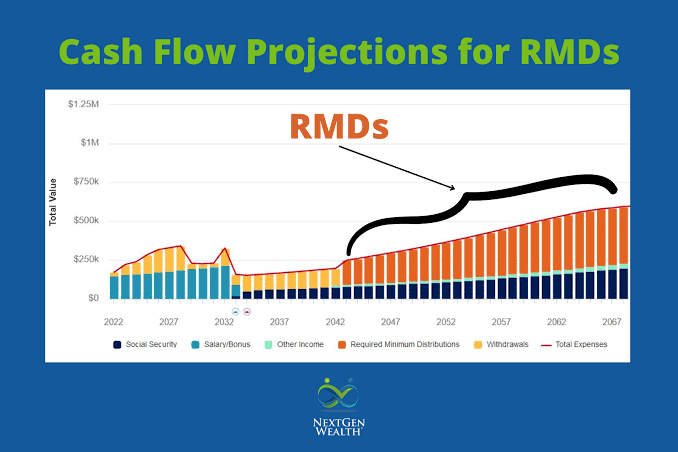
As you approach retirement, understanding how your savings will be taxed becomes increasingly crucial. One key aspect of retirement planning is the concept of Required Minimum Distributions (RMDs). These mandatory withdrawals from your retirement accounts can significantly impact your tax situation in retirement. In this article, we will explore what RMDs are, how they work, the tax implications they carry, and strategies to manage them effectively.
What Are Required Minimum Distributions (RMDs)?
Required Minimum Distributions (RMDs) are the minimum amounts that retirement account holders must withdraw annually starting at a certain age. This rule primarily applies to tax-deferred retirement accounts, such as:
- Traditional IRAs
- 401(k) plans
- 403(b) plans
- Other similar retirement plans
The purpose of RMDs is to ensure that individuals do not defer taxes indefinitely on their retirement savings. The IRS sets a specific age at which you need to begin taking these distributions, which has been adjusted over the years. It's essential to stay informed about the current age requirements and any changes in legislation that may affect your RMDs.
When Do You Need to Start Taking RMDs?
As of recent regulations, the age at which you must start taking RMDs is 72. However, if you turn 72 after December 31, 2022, the age has been adjusted to 73. This means that you must begin withdrawing funds from your retirement accounts by April 1 of the year following the year you reach this age. Subsequent withdrawals must be taken by December 31 each year thereafter.
It is important to note that if you still work and are contributing to your employer's 401(k) plan, you may be able to delay RMDs from that account until you retire. However, RMDs from other retirement accounts, such as IRAs, cannot be delayed.
How Are RMDs Calculated?
The amount you are required to withdraw each year is not arbitrary; it is calculated based on your account balance and life expectancy. The IRS provides a Uniform Lifetime Table to help determine the required withdrawal amount. To calculate your RMD, follow these steps:
- Determine your account balance as of December 31 of the previous year.
- Find your age on the IRS Uniform Lifetime Table to discover your distribution factor.
- Divide your account balance by the distribution factor to find your RMD.
For example, if your account balance is $100,000 and your distribution factor is 25.6, your RMD would be approximately $3,906.25.
Tax Implications of RMDs
One of the most significant aspects of RMDs is their impact on your taxable income. Since RMDs are considered ordinary income, they are subject to federal income tax. Here are some important points to consider:
- Added Taxable Income: RMDs increase your taxable income for the year, which may push you into a higher tax bracket.
- State Taxes: Depending on where you live, your RMDs may also be subject to state income tax.
- Medicare Premiums: Higher income from RMDs can affect your Medicare premiums under the Income-Related Monthly Adjustment Amount (IRMAA).
- Social Security Benefits: Increased taxable income can also impact the taxation of your Social Security benefits.
Given these implications, it's vital to plan your withdrawals carefully to mitigate potential tax burdens.
Strategies for Managing RMDs
While RMDs are mandatory, there are several strategies you can employ to manage their impact on your taxes:
- Use Tax-Advantaged Accounts: Consider converting some of your traditional IRAs to Roth IRAs, which do not have RMDs during the account holder's lifetime. This can help reduce future taxable income.
- Charitable Contributions: If you are charitably inclined, consider making Qualified Charitable Distributions (QCDs) directly from your IRA. QCDs allow you to satisfy your RMD while avoiding taxable income.
- Tax Planning: Work with a tax advisor to create a tax-efficient withdrawal strategy. This may include taking additional distributions in lower-income years or utilizing tax-loss harvesting strategies.
- Timing Withdrawals: If possible, consider taking your RMDs earlier in the year. This can give you better control over your total taxable income for the year.
Conclusion
Understanding Required Minimum Distributions (RMDs) is essential for effective retirement planning. While RMDs ensure that you withdraw your retirement savings, they also come with tax implications that can affect your overall financial strategy. By being informed and proactive, you can navigate the complexities of RMDs and mitigate their impact on your taxes. Consider consulting with a financial advisor or tax professional to ensure that you are making the most of your retirement savings while minimizing your tax liability.
Si quieres conocer otros artículos parecidos a How Required Minimum Distributions (RMDs) Affect Your Retirement Taxes puedes visitar la categoría Taxes & Personal Finance.
Related posts