
Understanding Capital Gains Tax Rates on Stock Sales in the US
When it comes to investing in the stock market, understanding the tax implications of your sales is crucial. Capital gains tax can significantly affect your overall returns. This article will break down the essentials of capital gains tax rates in the United States, helping you make informed decisions about your investments while optimizing your tax strategy.
What Are Capital Gains?
Capital gains refer to the profit you make from selling an asset, such as stocks, real estate, or other investments, for more than you paid for it. In the context of stock sales, if you buy shares of a company at a certain price and later sell them for a higher price, the profit you earn is considered a capital gain.
Types of Capital Gains
There are two main types of capital gains: short-term and long-term. The classification of your gains determines the tax rate you'll pay.
Short-Term Capital Gains
Short-term capital gains are profits from the sale of an asset held for one year or less. These gains are typically taxed at your ordinary income tax rates, which can range from 10% to 37%, depending on your total taxable income. For many investors, this can result in a higher tax burden compared to long-term capital gains.
Long-Term Capital Gains
Long-term capital gains, on the other hand, apply to assets held for more than one year. The tax rates for long-term gains are generally more favorable, with rates set at 0%, 15%, or 20%, depending on your income level. This incentivizes investors to hold onto their investments longer and can significantly enhance their overall returns.
Current Long-Term Capital Gains Tax Rates
The long-term capital gains tax rates are structured as follows:
- 0% Rate: Applicable for individuals with taxable income up to a certain threshold.
- 15% Rate: Generally applies to individuals with taxable income above the 0% threshold but below a higher limit.
- 20% Rate: Charged on individuals whose taxable income exceeds the upper limit for the 15% rate.
These thresholds are adjusted periodically, so it's essential to stay updated on current tax law changes to determine which rate applies to you.
Factors Influencing Capital Gains Tax Rates
Several factors can influence your capital gains tax rates, including:
- Income Level: Your total taxable income plays a significant role in determining your tax rate. Higher incomes can lead to higher capital gains tax rates.
- Filing Status: Whether you file as single, married filing jointly, or head of household can affect the income thresholds for capital gains tax rates.
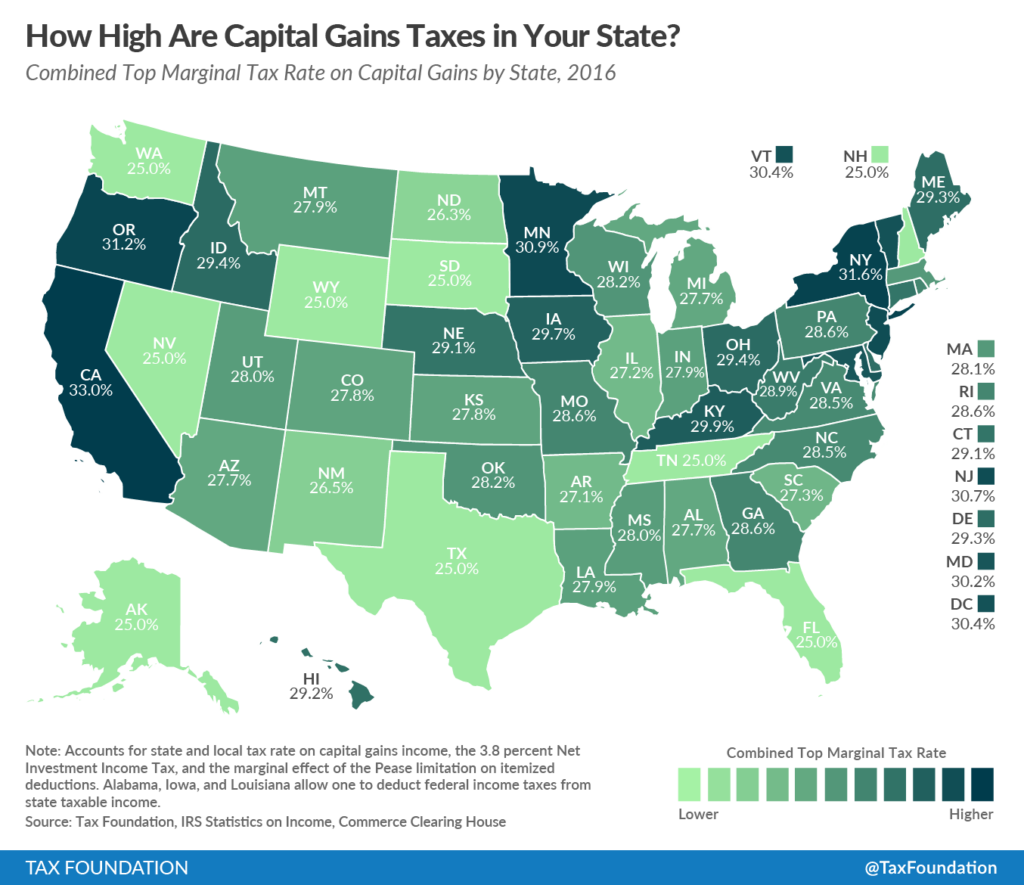
- State Taxes: In addition to federal taxes, some states impose their own capital gains taxes, which can further impact your overall tax liability.
Strategies to Minimize Capital Gains Taxes
While you cannot avoid capital gains taxes altogether, there are strategies to minimize them:
- Hold Investments Long-Term: By holding onto your investments for more than a year, you can benefit from the lower long-term capital gains tax rates.
- Tax-Loss Harvesting: Offset your capital gains by selling losing investments to realize losses, which can reduce your overall tax liability.
- Utilize Tax-Advantaged Accounts: Investing through retirement accounts like IRAs or 401(k)s can help defer taxes on capital gains until you withdraw funds.
- Consider Your Income Timing: If you expect your income to drop in a future year, you might want to hold off on selling investments to take advantage of potentially lower tax rates.
Reporting Capital Gains on Your Tax Return
When you sell stocks and realize capital gains, you need to report these transactions on your tax return. Typically, you will receive a Form 1099-B from your broker, which outlines your sales and any associated gains or losses. You'll report this information on Schedule D of your Form 1040. It's essential to keep accurate records of your transactions, including purchase prices, sale prices, and dates to ensure accurate reporting.
Conclusion
Understanding capital gains tax rates on stock sales is vital for any investor in the United States. By differentiating between short-term and long-term capital gains and knowing the current tax rates, you can develop a strategy that minimizes your tax burden and maximizes your investment returns. Always consider consulting a tax professional for personalized advice tailored to your financial situation, as tax laws can be complex and subject to change.
Si quieres conocer otros artículos parecidos a Understanding Capital Gains Tax Rates on Stock Sales in the US puedes visitar la categoría Taxes & Personal Finance.
Related posts