
Aerospace and Defense Stocks: Geopolitical Risks and Revenue Stability
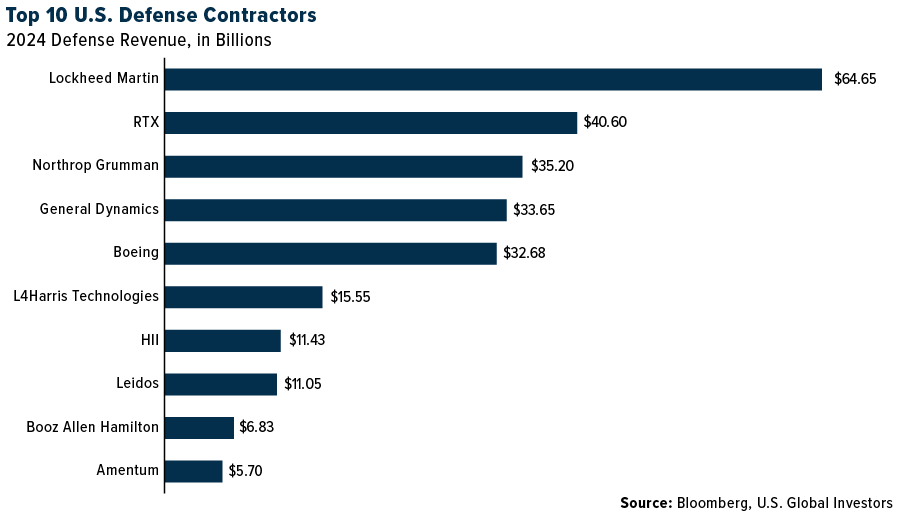
The aerospace and defense sectors have long been considered pillars of the global economy, with their stocks being a popular choice for investors seeking both stability and growth. This article delves into the intricate relationship between geopolitical risks and revenue stability within these industries, providing an insightful overview of why these stocks can be both a safe haven and a volatile investment.
Understanding Aerospace and Defense Stocks
Aerospace and defense stocks encompass shares of companies involved in the design, manufacturing, and support of aircraft, spacecraft, and defense systems. These companies typically operate under government contracts, which can provide a steady stream of revenue. However, the geopolitical landscape significantly influences their performance, creating both opportunities and challenges.
Key Players in the Industry
The aerospace and defense sectors are dominated by a few major players, including:
- Commercial Aircraft Manufacturers
- Defense Contractors
- Aerospace Component Suppliers
These companies often diversify their portfolios to mitigate risks associated with government spending fluctuations and international relations. For example, a defense contractor may also produce commercial aircraft, allowing for revenue generation even during downturns in defense budgets.
Geopolitical Risks Impacting the Sector
The aerospace and defense industries are highly sensitive to geopolitical events. Here are some key factors to consider:
1. Global Conflicts and Tensions
Escalating military conflicts can lead to increased defense spending by governments. For instance, tensions in regions such as Eastern Europe or the South China Sea often prompt nations to boost their defense budgets, benefiting defense contractors. However, prolonged conflicts can also lead to instability in supply chains and increased operating costs.
2. Regulatory Changes
Government policies and regulations can significantly impact the aerospace and defense sectors. Changes in defense spending priorities, export regulations, and international trade agreements can create uncertainty. Investors must stay informed about potential policy shifts that could affect the profitability of these companies.
3. International Relations
Strong diplomatic relations between countries can lead to lucrative defense contracts, while strained relations can result in sanctions or reduced collaboration. For instance, partnerships in defense technology and arms sales can enhance revenue stability for companies involved in these agreements.
Revenue Stability in Aerospace and Defense Stocks
Despite the inherent risks, aerospace and defense stocks often exhibit a level of revenue stability that can appeal to investors seeking long-term growth. Here are some reasons why:
1. Government Contracts
Many companies in this sector rely heavily on government contracts, which can provide a stable revenue stream. These contracts are often multi-year agreements, allowing companies to plan for the long term. Even in times of economic uncertainty, defense spending is typically prioritized, providing a buffer against market volatility.
2. Diversification of Revenue Streams
As previously mentioned, many aerospace and defense companies diversify their product offerings. This diversification can help shield them from downturns in specific markets. For example, a company that manufactures both military and commercial aircraft can rely on commercial sales if defense spending declines.
3. Technological Innovation
Innovation plays a crucial role in the aerospace and defense sectors. Companies that invest in research and development often find new revenue opportunities in emerging markets, such as satellite technology, cybersecurity, and unmanned aerial vehicles. This focus on innovation can help sustain revenue growth even amid geopolitical uncertainties.
Investment Considerations for Aerospace and Defense Stocks
Investors considering aerospace and defense stocks should keep the following factors in mind:
1. Market Research
Conducting thorough market research is essential. Understanding the geopolitical landscape, government budgets, and industry trends can help investors make informed decisions. Keeping an eye on global events can provide insights into which companies may benefit from increased defense spending.
2. Long-Term Perspective
While geopolitical risks can lead to short-term volatility, a long-term investment strategy may yield favorable results. Historical trends show that aerospace and defense stocks often recover from downturns, making them suitable for investors with a longer time horizon.
3. Risk Tolerance
Investors should assess their risk tolerance before diving into this sector. While aerospace and defense stocks can provide stability, they are not immune to market fluctuations. A balanced portfolio that includes a mix of asset classes can mitigate risks associated with geopolitical events.
Conclusion
Aerospace and defense stocks represent a unique blend of geopolitical risks and revenue stability. While the geopolitical landscape can create uncertainties, the steady demand for defense spending, government contracts, and technological advancements offer opportunities for growth. By staying informed and adopting a long-term investment strategy, investors can navigate this complex landscape and potentially reap the rewards of investing in aerospace and defense stocks.
Si quieres conocer otros artículos parecidos a Aerospace and Defense Stocks: Geopolitical Risks and Revenue Stability puedes visitar la categoría Crypto.
Related posts