
Luxury Goods Stocks: Resilience Against Economic Downturns
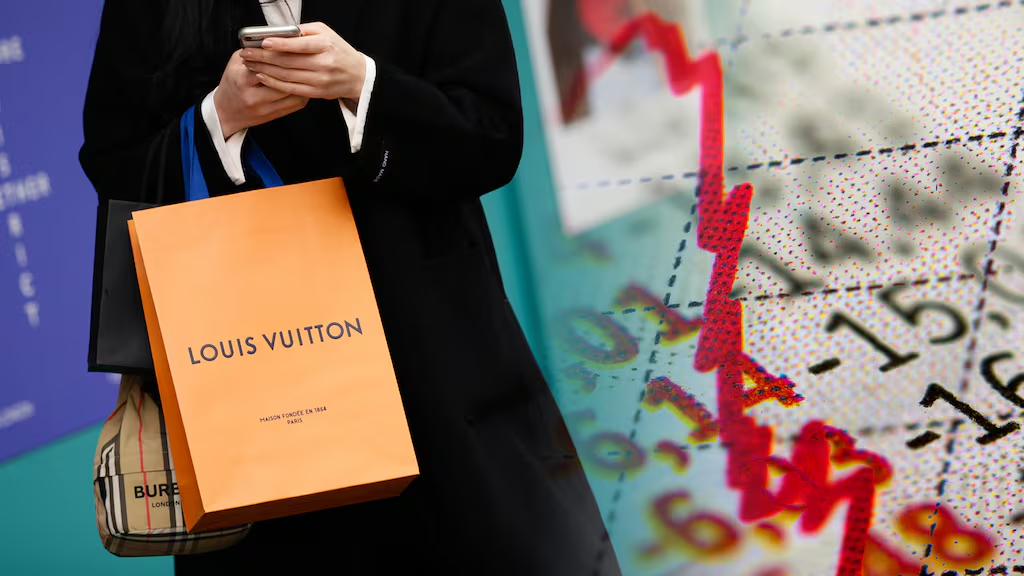
In recent years, the global economy has faced numerous challenges, from trade wars to pandemics, leading many investors to reevaluate their strategies. One sector that has shown remarkable resilience during these turbulent times is the luxury goods market. This blog post explores how luxury goods stocks can act as a safe haven in economic downturns, their underlying dynamics, and what investors should consider when entering this fascinating market.
The Appeal of Luxury Goods Stocks
Luxury goods, often characterized by high-quality materials, exceptional craftsmanship, and brand prestige, tend to maintain their allure regardless of economic conditions. While it might seem counterintuitive that consumers would continue to spend on luxury items during a downturn, several factors contribute to the stability of this sector.
1. Affluent Consumer Base
The primary consumers of luxury goods are affluent individuals who are less affected by economic fluctuations. This wealthy demographic tends to have significant disposable income and is often insulated from the financial stressors that impact the average consumer. As such, their purchasing power remains robust even in challenging economic times.
2. Brand Loyalty and Emotional Connection
Luxury brands often cultivate strong emotional connections with their consumers, resulting in high levels of brand loyalty. When facing economic uncertainty, many consumers prioritize spending on experiences and items that bring joy and status. This deep-rooted loyalty often translates into continued sales for luxury brands, even in a recession.
The Growth of Emerging Markets
Another critical factor contributing to the resilience of luxury goods stocks is the growth of emerging markets. Countries like China and India have seen a rise in disposable income and a burgeoning middle class with a taste for luxury. This demographic shift has resulted in increased demand for luxury goods, providing a buffer against economic downturns in established markets.
1. China’s Influence
China has become the largest market for luxury goods, with Chinese consumers accounting for a significant portion of global luxury sales. The country’s rapid economic growth, coupled with an expanding affluent class, has made it a vital market for luxury brands. Even in times of global economic uncertainty, the Chinese market continues to show resilience, as luxury consumption remains a symbol of status and success.
2. Diversification in Emerging Economies
Emerging markets are not solely reliant on China; countries like India, Brazil, and Southeast Asian nations are also witnessing a rise in luxury spending. As global brands expand their presence in these regions, they can offset losses in more developed markets, further enhancing their resilience during downturns.
Investment Strategies for Luxury Goods Stocks
Investing in luxury goods stocks can be an attractive option for those looking to diversify their portfolios. However, it’s essential to approach this investment with a strategic mindset. Here are some strategies to consider:
- Focus on Established Brands: Look for well-established luxury brands with a history of resilience during economic downturns. These companies often have strong financials, extensive global reach, and a loyal customer base.
- Diversify Across Categories: The luxury goods market is diverse, encompassing fashion, accessories, cosmetics, and experiences. Diversifying your investments across different categories can help mitigate risks associated with market fluctuations.
- Monitor Consumer Trends: Keep an eye on changing consumer preferences and trends within the luxury sector. Brands that adapt quickly to these trends are more likely to thrive, even in challenging economic conditions.
- Consider the Impact of E-commerce: The rise of e-commerce has transformed the luxury market, providing brands with new avenues for sales. Invest in companies that have effectively integrated online shopping experiences, as this can enhance their resilience.
Risks and Considerations
While luxury goods stocks can be a compelling investment, they are not without risks. Market volatility, changes in consumer behavior, and geopolitical factors can all impact the performance of luxury brands. Here are some risks to consider:
- Market Sensitivity: Luxury goods can be sensitive to economic downturns, and a prolonged recession may lead to decreased spending even among affluent consumers.
- Competition: The luxury market is highly competitive, with numerous brands vying for consumer attention. Brands must continuously innovate to maintain their market position.
- Supply Chain Vulnerabilities: Disruptions in the global supply chain, as seen during the COVID-19 pandemic, can impact luxury goods production and distribution, affecting sales and profitability.
Conclusion
Luxury goods stocks have demonstrated remarkable resilience against economic downturns, driven by a combination of affluent consumer behavior, brand loyalty, and growth in emerging markets. For investors looking to diversify their portfolios, luxury goods can offer a compelling opportunity. However, it’s essential to remain mindful of the risks involved and adopt a strategic investment approach. By staying informed about market trends and consumer preferences, investors can position themselves to benefit from the enduring appeal of luxury goods, even in uncertain economic times.
Si quieres conocer otros artículos parecidos a Luxury Goods Stocks: Resilience Against Economic Downturns puedes visitar la categoría Crypto.
Related posts