
Water Scarcity and Agricultural Stocks: The Next Big Macro Trend
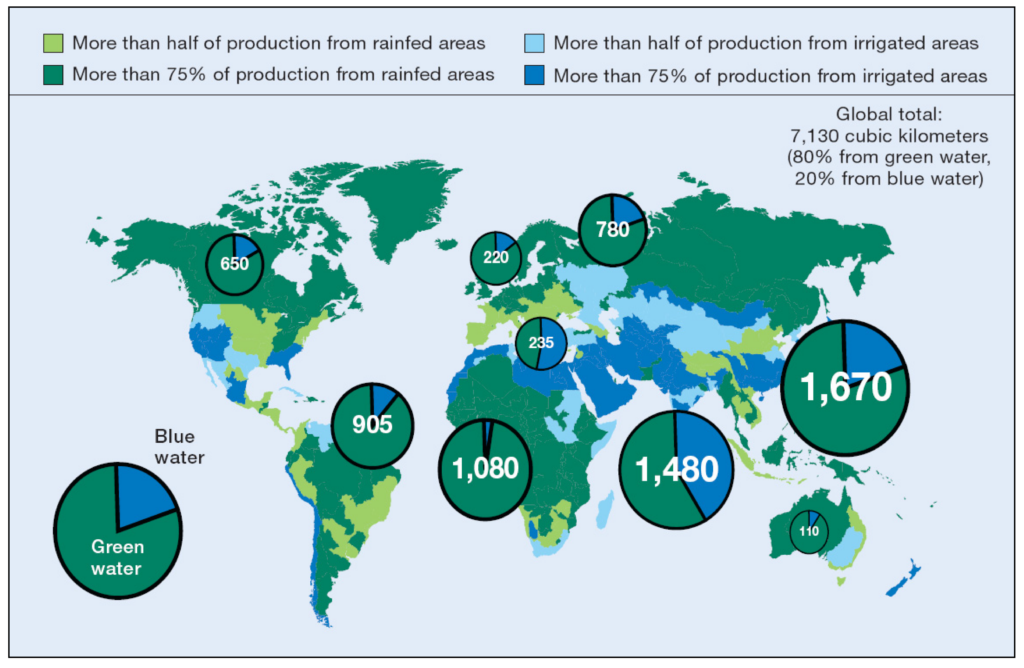
As global temperatures rise and populations expand, water scarcity is emerging as one of the most pressing challenges of our time. This issue not only threatens the environment but also has significant implications for agriculture, an industry that relies heavily on water resources. Investors are beginning to recognize the potential of agricultural stocks that can withstand the impacts of water scarcity. In this article, we will explore the relationship between water scarcity and agriculture, the macro trends at play, and how investors can position themselves in this evolving landscape.
The Growing Concern of Water Scarcity
Water scarcity affects more than 2 billion people worldwide, and the situation is expected to worsen as climate change continues to affect weather patterns. Factors contributing to water scarcity include:
- Increased population growth
- Urbanization and industrialization
- Climate change and extreme weather events
- Over-extraction of groundwater
As these pressures mount, the agricultural sector, which accounts for approximately 70% of global freshwater withdrawals, finds itself at a critical juncture. Farmers are grappling with diminishing water supplies, leading to reduced crop yields and affecting food security worldwide.
The Impact on Agriculture
The agricultural industry is particularly vulnerable to water scarcity. With an increasing demand for food driven by population growth, farmers are faced with the dual challenge of producing more food with less water. This challenge is leading to significant shifts in how agriculture is practiced. Some notable trends include:
- Adoption of Water-Efficient Practices: Farmers are increasingly turning to precision agriculture, which employs technology to optimize water usage. Techniques such as drip irrigation and soil moisture sensors are becoming commonplace.
- Shift Towards Drought-Resistant Crops: Research and development in crop genetics are yielding drought-resistant varieties that require less water, thereby ensuring food production even in arid conditions.
- Investment in Sustainable Farming: There is a growing emphasis on sustainable farming practices that enhance water retention in soil and improve overall agricultural resilience.
Investment Opportunities in Agricultural Stocks
As the challenges of water scarcity become more pronounced, certain agricultural stocks are poised to benefit. Investors looking for opportunities in this sector should consider companies that are focused on:
1. Water Management Solutions
Companies that specialize in water management technologies are becoming essential players in the agricultural sector. These firms design and implement systems that conserve water and enhance irrigation efficiency. Investing in these companies not only supports sustainable practices but also positions investors to benefit from a growing market.
2. Seed and Crop Technology
Businesses that focus on developing genetically modified organisms (GMOs) or advanced breeding techniques to create drought-resistant crops are likely to thrive. As farmers search for solutions to combat water scarcity, these companies will be at the forefront of agricultural innovation.
3. Sustainable Agriculture Practices
Firms that promote environmentally friendly farming practices, such as organic farming and regenerative agriculture, are also gaining traction. These companies often appeal to a growing consumer base that prioritizes sustainability, making them attractive investment options.
Macro Trends Influencing Agricultural Investments
Several macroeconomic trends are shaping the landscape for agricultural investments:
- Climate Change Policies: Governments worldwide are implementing policies aimed at reducing carbon footprints and promoting sustainable practices. These policies may offer incentives for agricultural innovation and can enhance the appeal of related stocks.
- Technological Advancements: The rise of agtech is transforming how farming is done, enabling greater efficiency and productivity. Innovations in data analytics, AI, and IoT are leading to smarter farming practices that conserve water and enhance yields.
- Shift in Consumer Preferences: With increasing awareness of environmental issues, consumers are more inclined to purchase products that are sustainably sourced. This shift is pushing agricultural companies to adapt and innovate, creating opportunities for investors.
Conclusion
Water scarcity is not just an environmental concern; it is a macroeconomic trend that is reshaping the agricultural landscape and creating new opportunities for investors. As farmers adopt innovative practices and technologies to cope with diminishing water supplies, the agricultural sector is poised for significant transformation. By focusing on companies that prioritize water efficiency, sustainability, and technological advancement, investors can position themselves strategically in an evolving market that is likely to gain importance in the coming years. As we navigate these challenges, understanding the intersection of water scarcity and agriculture will be crucial for both economic stability and investment success.
Si quieres conocer otros artículos parecidos a Water Scarcity and Agricultural Stocks: The Next Big Macro Trend puedes visitar la categoría Crypto.
Related posts