
Cloud Computing and SaaS Stocks: SaaS Metrics Investors Should Track
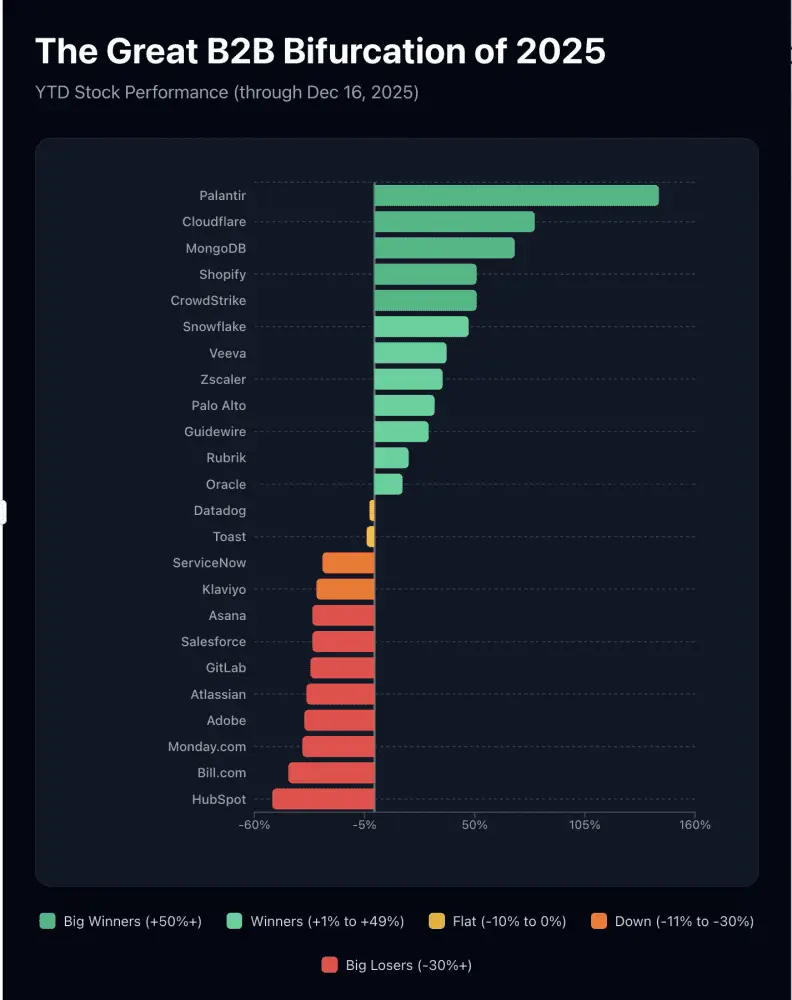
The rapid evolution of technology has significantly altered the landscape of investment opportunities, particularly in the realm of cloud computing and Software as a Service (SaaS). As businesses increasingly transition to cloud-based solutions, understanding the metrics that drive SaaS companies becomes essential for investors. In this post, we will explore key SaaS metrics that can help investors gauge the performance of these companies and make informed decisions in the ever-growing tech market.
Understanding SaaS and Cloud Computing
SaaS is a software distribution model where applications are hosted in the cloud and made available to users over the internet. This model eliminates the need for traditional installation and maintenance of software on personal computers or servers, offering flexibility and scalability to businesses of all sizes. Cloud computing, on the other hand, provides the infrastructure and platforms that support SaaS applications, enabling seamless access and integration across different devices.
Why Investors Should Focus on SaaS Metrics
Investing in SaaS companies offers unique opportunities and risks. Unlike traditional software companies, SaaS businesses often operate on a subscription model, which can lead to predictable revenue streams and long-term customer relationships. However, understanding the health and growth potential of these companies requires a firm grasp of specific metrics that reflect their performance and sustainability. Here are some of the most important SaaS metrics that investors should track:
1. Monthly Recurring Revenue (MRR)
Monthly Recurring Revenue (MRR) is a critical metric for SaaS companies, representing the predictable revenue generated from subscriptions on a monthly basis. MRR allows investors to assess the company’s growth trajectory and overall financial health. Consistent growth in MRR indicates a strong customer base and effective sales strategies.
2. Customer Acquisition Cost (CAC)
Customer Acquisition Cost (CAC) measures the expense incurred to acquire a new customer. This metric is vital for understanding the efficiency of a company's sales and marketing efforts. A lower CAC implies that the company is effectively converting leads into customers, which is essential for long-term profitability.
3. Customer Lifetime Value (CLV)
Customer Lifetime Value (CLV) estimates the total revenue a business expects to earn from a customer throughout their relationship. This metric helps investors evaluate the long-term profitability of the customer base. A high CLV relative to CAC indicates a sustainable business model, where the revenue generated from a customer exceeds the cost of acquiring them.
4. Churn Rate
Churn rate refers to the percentage of customers who discontinue their subscriptions within a specific period. A high churn rate can signal dissatisfaction with the product or increased competition, which can negatively impact future revenue. Monitoring churn rate helps investors understand customer retention and the overall health of a SaaS company.
5. Net Revenue Retention (NRR)
Net Revenue Retention (NRR) measures revenue growth from existing customers, factoring in upgrades, downgrades, and churn. An NRR greater than 100% indicates that a company is successfully expanding its revenue base through upselling and cross-selling, despite some loss from churn. Investors should look for companies with a high NRR as a sign of customer satisfaction and product value.
6. Average Revenue Per User (ARPU)
Average Revenue Per User (ARPU) calculates the revenue generated per user or account over a specified period. This metric helps investors gauge how well a company monetizes its customer base. An increasing ARPU can indicate successful upselling strategies or an expanding product offering that adds value for customers.
7. Sales Efficiency
Sales efficiency assesses how effectively a company turns its sales and marketing investments into revenue. This metric is often calculated by dividing the new ARR (Annual Recurring Revenue) generated by the total sales and marketing expenses. A high sales efficiency ratio suggests that the company is effectively scaling its operations and maximizing the return on its investments.
Additional Considerations for SaaS Investors
While the above metrics provide a strong foundation for evaluating SaaS companies, investors should also consider qualitative factors such as the company's competitive positioning, product innovation, and customer feedback. Understanding the market landscape and potential challenges can further inform investment decisions.
Market Trends and Future Outlook
The cloud computing and SaaS sectors are projected to continue their growth trajectory as businesses increasingly adopt digital solutions. The rise of remote work, e-commerce, and data analytics are just a few trends driving demand for cloud-based services. Investors looking to capitalize on this momentum should remain vigilant about emerging technologies and evolving consumer needs.
Conclusion
Investing in cloud computing and SaaS stocks can be rewarding, but it requires a nuanced understanding of key metrics that indicate a company's performance and potential for growth. By tracking MRR, CAC, CLV, churn rate, NRR, ARPU, and sales efficiency, investors can make informed decisions and identify promising investment opportunities within this dynamic sector. Staying abreast of market trends and maintaining a holistic view of company performance will further enhance investment strategies in the ever-evolving world of SaaS.
Si quieres conocer otros artículos parecidos a Cloud Computing and SaaS Stocks: SaaS Metrics Investors Should Track puedes visitar la categoría Crypto.
Related posts