
Cyclical vs. Defensive Stocks: How to Hedge Against Market Downturns
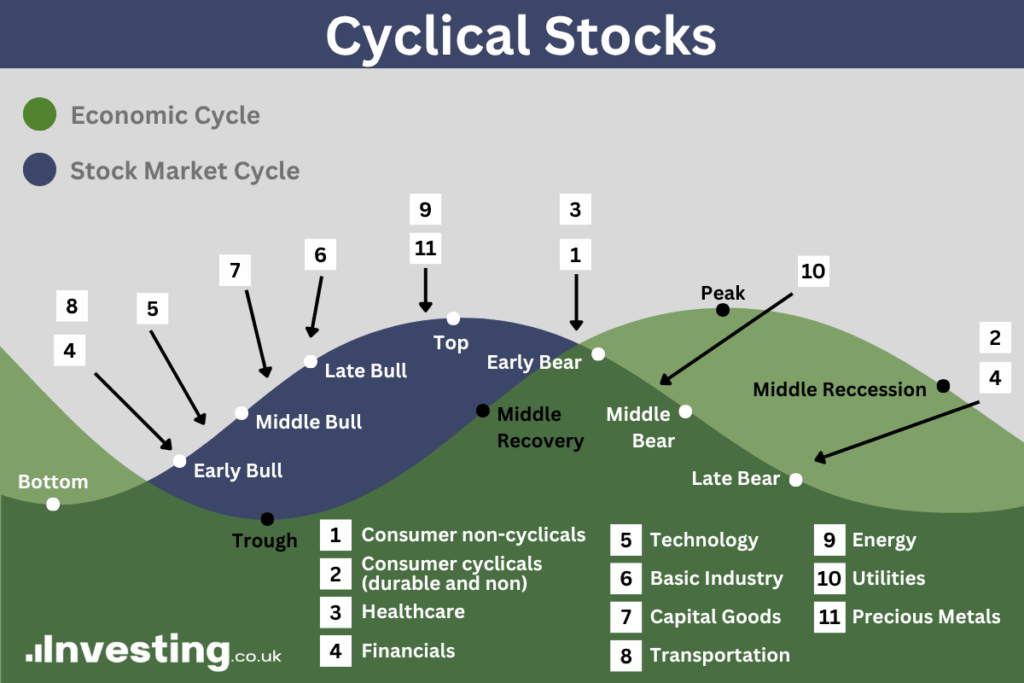
The stock market is known for its volatility, and understanding how to navigate it is crucial for investors. One of the key strategies to mitigate risks during market downturns is to diversify your portfolio with a mix of cyclical and defensive stocks. In this article, we’ll explore the differences between these two types of stocks, their characteristics, and how you can use them to hedge against potential losses.
Understanding Cyclical Stocks
Cyclical stocks are shares of companies whose performance is closely tied to the economic cycle. These stocks tend to rise when the economy is doing well and fall during economic downturns. Investors often consider these stocks as high-risk, high-reward investments.
Characteristics of Cyclical Stocks
- Economic Sensitivity: The performance of cyclical stocks is directly linked to the health of the economy. As consumer spending increases, so does the profitability of these companies.
- Industry Examples: Common sectors for cyclical stocks include automotive, construction, travel, and luxury goods.
- Volatility: These stocks tend to be more volatile than defensive stocks, with prices that can swing dramatically based on economic indicators.
Understanding Defensive Stocks
Defensive stocks, on the other hand, are shares of companies that provide goods and services that are essential to consumers, regardless of economic conditions. These stocks are considered safer investments during market downturns because their performance remains relatively stable.
Characteristics of Defensive Stocks
- Stability: Defensive stocks tend to maintain their value during economic downturns, making them a safer choice for risk-averse investors.
- Industry Examples: Common sectors for defensive stocks include utilities, healthcare, food and beverage, and consumer staples.
- Lower Volatility: These stocks usually experience less price fluctuation, providing a buffer against market volatility.
Cyclical vs. Defensive Stocks: A Comparison
When considering an investment strategy, it’s important to understand the key differences between cyclical and defensive stocks:
- Risk Level: Cyclical stocks carry higher risk but also the potential for higher returns, while defensive stocks offer stability with lower growth potential.
- Market Timing: Cyclical stocks perform best during economic expansions, whereas defensive stocks shine during recessions.
- Investment Horizon: Investors looking for short-term gains may lean towards cyclical stocks, while those focused on long-term stability may prefer defensive stocks.
How to Hedge Against Market Downturns
Investing in both cyclical and defensive stocks can provide a balanced approach to your investment portfolio, allowing you to hedge against market downturns effectively. Here are some strategies to consider:
Diversification
Diversification is key to reducing risk in your investment portfolio. By holding a mix of cyclical and defensive stocks, you can mitigate the impact of downturns in any single sector. This approach ensures that while some investments may be underperforming, others may be thriving, providing a buffer against losses.
Asset Allocation
Consider your risk tolerance and investment goals when allocating assets between cyclical and defensive stocks. A more aggressive investor may choose to allocate a higher percentage towards cyclical stocks for potential growth, while a conservative investor may prefer a larger allocation towards defensive stocks for stability.
Regular Portfolio Review
Market conditions change rapidly, and so should your investment strategy. Regularly reviewing your portfolio allows you to make adjustments based on current economic indicators. If the market shows signs of a downturn, you may want to increase your holdings in defensive stocks to protect your capital.
Use of ETFs and Mutual Funds
If selecting individual stocks seems daunting, consider investing in exchange-traded funds (ETFs) or mutual funds that focus on defensive or cyclical sectors. These funds provide built-in diversification and professional management, making it easier to balance your investment strategy.
Conclusion
Understanding the differences between cyclical and defensive stocks is essential for any investor looking to navigate the complexities of the stock market. By incorporating both types of stocks into your portfolio, you can hedge against market downturns and create a more resilient investment strategy. Remember to regularly review your investments and adjust your asset allocation based on market conditions and your personal risk tolerance. In doing so, you’ll be better equipped to weather economic storms and achieve your long-term financial goals.
Si quieres conocer otros artículos parecidos a Cyclical vs. Defensive Stocks: How to Hedge Against Market Downturns puedes visitar la categoría Stock Market & Investing Strategies.
Related posts