
How Stock Splits Impact Share Price and Investor Sentiment
Stock splits are a common occurrence in the financial world, often generating a buzz among investors and analysts alike. While the fundamental value of a company does not change after a split, the implications for share price and investor sentiment can be significant. In this article, we will explore what stock splits are, how they affect share prices, and the psychological impact they can have on investors.
Understanding Stock Splits
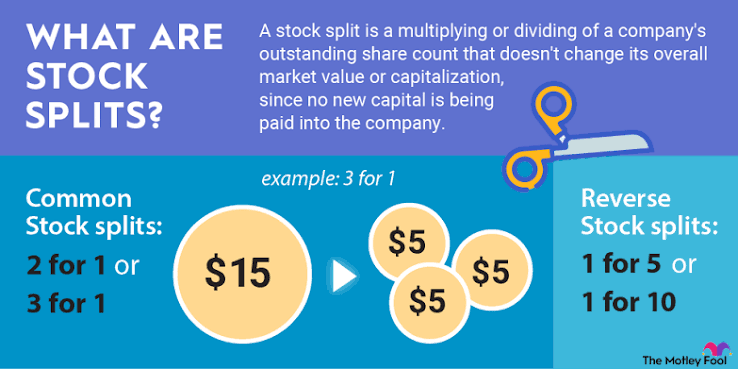
A stock split is a corporate action in which a company divides its existing shares into multiple new shares. The total market capitalization remains the same, but the number of shares increases, and the price per share decreases proportionately. For example, in a 2-for-1 stock split, a shareholder with one share worth $100 will now have two shares worth $50 each.
Companies typically initiate stock splits to make their shares more affordable and increase liquidity. When shares become too expensive, they may deter potential investors. By splitting the stock, companies can attract a broader range of investors, particularly retail investors who may be wary of purchasing high-priced shares.
While the immediate effect of a stock split is a reduction in the share price, the long-term consequences can vary. Here are some key points to consider regarding how stock splits impact share prices:
- Market Perception: Stock splits can create a positive perception in the market. Investors may view a split as a sign of a company's confidence in its future growth. This perception can lead to increased demand for the stock, potentially driving up the price following the split.
- Increased Liquidity: By lowering the price per share, stock splits can enhance the liquidity of a company's shares. Increased trading volume can lead to more efficient price discovery and can attract institutional investors.
- Historical Performance: Historically, stocks that have undergone splits have often seen positive performance in the months following the split. However, it's important to note that past performance is not indicative of future results.
Short-Term vs. Long-Term Effects
In the short term, a stock split might lead to a price increase due to heightened investor enthusiasm and media coverage. However, in the long run, the impact of a split may diminish as the market adjusts to the new share price. Investors should be cautious and not make decisions solely based on a stock split.
Investor Sentiment and Behavioral Economics
Stock splits can significantly influence investor sentiment, which is a crucial component of market dynamics. Here are some ways that splits impact the psychology of investors:
- Perceived Affordability: A lower share price post-split may create a sense of affordability for retail investors, encouraging them to buy shares. This perception can lead to an influx of new investors entering the market.
- Behavioral Bias: Investors often exhibit behavioral biases that can amplify the effects of stock splits. For instance, the ""dividend illusion"" suggests that investors may perceive a stock split as a form of dividend, leading to increased buying activity.
- Social Proof: When a stock splits, it can generate buzz on social media and financial news platforms. As more people discuss the split, others may feel compelled to buy shares, further driving up demand.
Impact on Long-Term Investors
While short-term trading dynamics can be influenced by sentiment, long-term investors should focus on the underlying fundamentals of the company. A stock split does not change the intrinsic value of a company, nor does it affect its revenue, earnings, or growth prospects. Therefore, long-term investors should evaluate a stock's performance based on its fundamentals rather than the effects of a split.
Case Studies: Successful and Unsuccessful Stock Splits
Examining specific cases can provide valuable insights into the effects of stock splits:
- Successful Example: Some well-known tech companies have successfully split their stocks, resulting in increased share prices in the months following the split. These companies often experienced strong revenue growth, which contributed to positive investor sentiment.
- Less Favorable Example: Conversely, some companies that split their stocks did not see sustained price increases. In these cases, the splits may have been seen as a last-ditch effort to attract investors amidst declining fundamentals.
Conclusion
Stock splits are more than just a numerical adjustment; they can significantly impact share prices and investor sentiment. While they can create positive market perceptions and attract new investors, it is crucial for investors to focus on the underlying fundamentals of the company. Understanding the implications of a stock split can help investors make more informed decisions and navigate the complexities of the stock market effectively. Ultimately, while a stock split can be beneficial in the short term, long-term success hinges on a company’s performance and growth potential.
Si quieres conocer otros artículos parecidos a How Stock Splits Impact Share Price and Investor Sentiment puedes visitar la categoría Stock Market & Investing Strategies.
Related posts