
Small-Cap vs. Large-Cap Stocks: Where Should You Allocate Your Capital?
Investing in the stock market can be a daunting task, especially when it comes to choosing the right companies to invest in. One of the most significant decisions investors face is whether to allocate their capital to small-cap or large-cap stocks. Both categories come with unique advantages and disadvantages, which can impact your overall investment strategy. In this article, we will explore the differences between small-cap and large-cap stocks, their potential for growth, risks involved, and how to decide which is right for your portfolio.
Understanding Market Capitalization
Before diving into the comparison, it's essential to understand what market capitalization (market cap) means. Market cap refers to the total market value of a company's outstanding shares of stock. It is calculated by multiplying the current share price by the total number of shares. Companies are typically categorized based on their market cap:
- Small-Cap Stocks: Generally, companies with a market cap of under $2 billion.
- Mid-Cap Stocks: Companies with a market cap between $2 billion and $10 billion.
- Large-Cap Stocks: Companies with a market cap of over $10 billion.
Advantages of Small-Cap Stocks
Investing in small-cap stocks can be appealing for various reasons:
- Growth Potential: Small-cap companies often have more room to grow compared to their larger counterparts. They can be in emerging industries or markets, presenting significant upside potential.
- Less Market Saturation: Small-cap stocks operate in less competitive environments, which can allow them to capture market share more easily.
- Opportunity for Value: These stocks are less followed by analysts and institutional investors, making it easier to identify undervalued opportunities.
Risks of Small-Cap Stocks
While the potential rewards are attractive, small-cap stocks also come with risks:
- Volatility: Small-cap stocks tend to be more volatile than large-cap stocks, leading to larger price swings in a short period.
- Liquidity Issues: They may have lower trading volumes, making it harder to buy or sell shares without impacting the stock price.
- Limited Resources: Small-cap companies may lack the financial stability and resources of larger firms, making them more vulnerable in economic downturns.
Advantages of Large-Cap Stocks
On the other hand, large-cap stocks come with their own set of advantages:
- Stability: Large-cap companies are typically more established and financially stable, which can provide a sense of security for investors.
- Consistent Dividends: Many large-cap stocks pay dividends, which can provide a steady income stream for investors.
- Analyst Coverage: These companies are often well-covered by analysts, providing more information and insights for investors.
Risks of Large-Cap Stocks
Despite their stability, large-cap stocks also have their disadvantages:
- Limited Growth Potential: Large companies may struggle to maintain high growth rates, as they already have a significant market share.
- Market Saturation: They may face intense competition in their industries, making it harder to innovate and grow.
- Higher Valuations: Large-cap stocks can sometimes be overvalued, making it difficult for investors to find good entry points.
How to Decide Where to Allocate Your Capital
Choosing between small-cap and large-cap stocks depends on your investment goals, risk tolerance, and investment horizon. Here are some factors to consider:
- Investment Goals: If you are seeking high growth and are willing to take on more risk, small-cap stocks may be more appropriate. Conversely, if you value stability and income, large-cap stocks could be a better fit.
- Risk Tolerance: Assess your comfort level with market volatility. If you can handle the ups and downs of small-cap investing, it may offer exciting opportunities. If not, large-cap stocks may provide a more stable alternative.
- Time Horizon: Long-term investors may benefit from the growth potential of small-cap stocks. However, if you need to access your capital in the short term, large-cap stocks might be a safer choice.
Creating a Balanced Portfolio
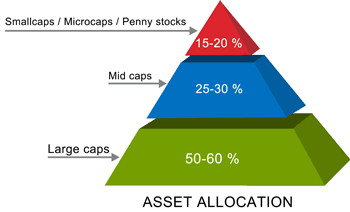
Rather than choosing one over the other, consider creating a balanced portfolio that includes both small-cap and large-cap stocks. This approach can help mitigate risks while taking advantage of the growth potential small-cap stocks offer. A diversified portfolio can smooth out volatility and lead to more consistent returns over time.
Conclusion
Both small-cap and large-cap stocks have their unique benefits and risks, making them suitable for different types of investors. Understanding your investment goals, risk tolerance, and time horizon is crucial in determining where to allocate your capital. By considering a mix of both small-cap and large-cap stocks, you can achieve a well-rounded investment strategy that aligns with your financial objectives. As always, it’s advisable to conduct thorough research or consult with a financial advisor before making investment decisions.
Si quieres conocer otros artículos parecidos a Small-Cap vs. Large-Cap Stocks: Where Should You Allocate Your Capital? puedes visitar la categoría Stock Market & Investing Strategies.
Related posts