
How to Use Limit Orders and Stop-Loss Orders to Protect Capital
Investing in the stock market can be both exciting and daunting. While the potential for profit is significant, so too is the risk of losing capital. To navigate this landscape effectively, investors can utilize various strategies, among which limit orders and stop-loss orders are essential tools. This article will explain how to use these orders to protect your investments and manage risk effectively.
Understanding Limit Orders
A limit order is a type of order to buy or sell a stock at a specific price or better. This means that if you set a limit order to buy, the order will only execute at your specified price or lower. Conversely, if you're selling, the order will execute at your specified price or higher. Limit orders are particularly useful in volatile markets where prices can fluctuate dramatically.
Benefits of Limit Orders
- Price Control: Limit orders allow you to have control over the price at which you buy or sell an asset. This can help you avoid overpaying for a stock or selling it for less than it’s worth.
- Reduced Emotional Decision-Making: By setting a limit order, you remove the emotional aspect of trading, which can lead to impulsive decisions.
- Execution at Desired Levels: You can ensure that your trades are executed at your target price, which can be particularly beneficial when entering or exiting positions.
How to Place a Limit Order
To place a limit order, follow these simple steps:
- Choose the stock you wish to trade.
- Determine the price at which you want to buy or sell the stock.
- Log in to your brokerage account and navigate to the trading platform.
- Select the option for a limit order and enter your desired price.
- Specify the number of shares you want to trade and confirm the order.
Understanding Stop-Loss Orders
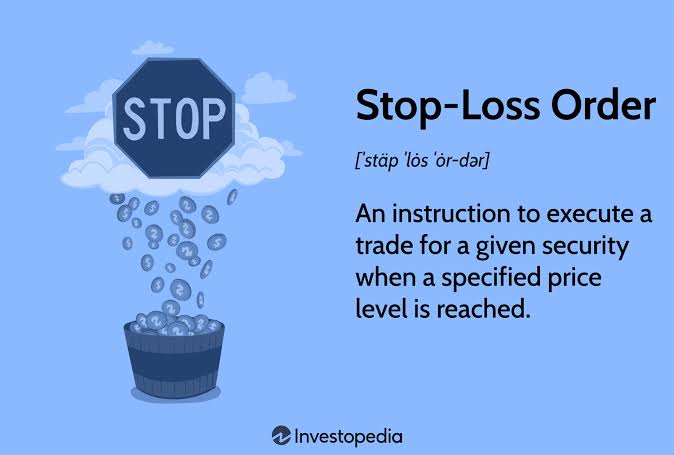
A stop-loss order is designed to limit an investor's loss on a position in a security. Once a stock reaches a predetermined price (the ""stop price""), the stop-loss order becomes a market order, triggering the sale of the stock. This helps investors minimize losses by exiting a position before further declines occur.
Benefits of Stop-Loss Orders
- Risk Management: Stop-loss orders help protect your capital by automatically selling a stock when it reaches a certain price, thereby limiting potential losses.
- Peace of Mind: Knowing that you have a stop-loss in place can reduce anxiety, allowing you to focus on other investments without constantly monitoring the market.
- Discipline: A stop-loss order encourages disciplined trading, as it promotes adherence to your investment strategy rather than reacting emotionally to price movements.
How to Place a Stop-Loss Order
To set a stop-loss order, follow these steps:
- Select the stock you want to protect with a stop-loss order.
- Determine the stop price at which you want to sell the stock if it begins to decline.
- Log in to your brokerage account and go to the trading section.
- Choose the stop-loss order option and enter your stop price.
- Confirm the number of shares and finalize the order.
Combining Limit and Stop-Loss Orders
One of the most effective ways to protect your capital is to combine limit orders and stop-loss orders. This strategy allows you to enter positions at favorable prices while also safeguarding against significant losses.
Example of a Combined Strategy
Consider a scenario where you want to buy a stock that is currently trading at $50. You believe that if the price drops to $48, it will be a good buying opportunity. You can place a limit order to buy at $48. Meanwhile, if you already own the stock, you might set a stop-loss order at $45 to limit your potential losses. This way, you can enter the market at your desired price while protecting your existing investment.
Common Mistakes to Avoid
While limit and stop-loss orders are powerful tools, there are common pitfalls that investors should avoid:
- Setting Unrealistic Prices: Avoid setting limit or stop prices that are too far from the current market price, as they may never be reached.
- Neglecting Market Conditions: Always consider the overall market environment when placing orders. In highly volatile markets, prices can jump quickly, and your order may not execute as intended.
- Failing to Adjust Orders: As market conditions change, be prepared to adjust your limit and stop-loss orders accordingly. Regularly review your positions to optimize your strategy.
Conclusion
Using limit orders and stop-loss orders is a fundamental aspect of any effective investing strategy. By understanding how these tools work and incorporating them into your trading plan, you can better protect your capital and navigate the unpredictable stock market. Remember to remain disciplined, set realistic targets, and adjust your orders as needed. With these strategies in place, you can enhance your investment approach and work towards achieving your financial goals.
Si quieres conocer otros artículos parecidos a How to Use Limit Orders and Stop-Loss Orders to Protect Capital puedes visitar la categoría Stock Market & Investing Strategies.
Related posts