
The Role of Insider Buying and Selling in Stock Selection
Investing in the stock market can often feel like navigating a complex maze. With countless factors influencing stock prices, it’s essential to find reliable indicators that can guide your investment decisions. One such indicator that has garnered attention among investors is insider trading, specifically insider buying and selling. Understanding the implications of these actions can provide valuable insights into a company's potential performance and guide your stock selection process.
What is Insider Trading?
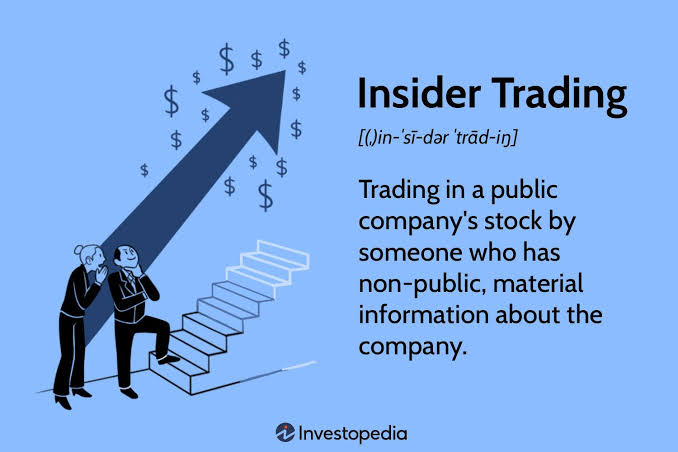
Insider trading refers to the buying or selling of a company's stock by individuals who have non-public, material information about that company. These insiders typically include executives, directors, and other employees. While insider trading can be legal and ethical when done with proper disclosures, it can also be illegal if the information is not publicly available to all investors.
Why Insider Buying Matters
When insiders buy shares of their own company, it can signal confidence in the company’s future performance. Here are some reasons why insider buying is often viewed positively:
- Alignment of Interests: When executives invest their own money in the company, it aligns their interests with those of shareholders. They are more likely to make decisions that benefit the company's long-term success.
- Positive Outlook: Insiders typically have a deep understanding of their company's operations and prospects. If they are buying shares, it often indicates that they believe the stock is undervalued and that positive developments are on the horizon.
- Market Signal: A surge in insider buying can serve as a bullish signal to the market. Other investors may interpret this as a vote of confidence, potentially driving up the stock price.
The Implications of Insider Selling
While insider buying can be a positive signal, insider selling can evoke a different response. Here’s why insider selling can be concerning:
- Potential Lack of Confidence: If insiders are selling significant portions of their holdings, it may suggest they lack confidence in the company’s future prospects. This can raise red flags for investors.
- Cashing Out: When insiders sell their shares, it may indicate they are looking to cash out for personal reasons, which might not always align with the company’s best interests.
- Market Reaction: High levels of insider selling can lead to negative market sentiment, causing other investors to panic and sell, which may further depress the stock price.
Understanding the Context of Insider Trades
Not all insider transactions are created equal. It’s crucial to consider the context behind these trades:
- Volume and Timing: Analyze the volume of shares being bought or sold. A single insider selling a small number of shares may not be as concerning as multiple insiders selling large quantities. Additionally, timing can matter; for instance, if a company is about to release a positive earnings report, insider buying right before the announcement might be more significant.
- Patterns of Activity: Look for patterns in insider trading. Consistent buying over time may indicate strong belief in the company’s potential, while sporadic selling could reflect personal financial planning rather than a lack of confidence.
- Company Performance: Always consider how the insider trades align with the company’s overall performance. If a company is doing well and insiders are buying, it’s a more bullish sign than if the company is struggling.
How to Incorporate Insider Trading Data into Your Investment Strategy
Incorporating insider trading data into your investment strategy can be a powerful tool. Here are some tips to effectively use this information:
- Research Tools: Utilize financial news platforms, stock screeners, and SEC filings to track insider buying and selling activity. Many platforms offer alerts for significant insider transactions.
- Combine with Other Indicators: Insider trading should not be your only criterion for stock selection. Combine this data with other fundamental and technical analysis methods to form a well-rounded view of a stock's potential.
- Stay Informed: Keep abreast of the latest news related to the companies you are interested in. Understanding the context of insider trades can greatly enhance your investment decisions.
Conclusion
Insider buying and selling can be valuable indicators in the stock selection process, offering insights into the potential performance and health of a company. While insider buying can signal confidence and alignment of interests, insider selling can raise concerns about future prospects. By analyzing insider trading within the broader context of company performance and combining this data with other investment strategies, you can make more informed decisions in the stock market. As always, thorough research and a balanced approach are key to successful investing.
Si quieres conocer otros artículos parecidos a The Role of Insider Buying and Selling in Stock Selection puedes visitar la categoría Stock Market & Investing Strategies.
Related posts