
How Algorithmic Trading and High-Frequency Trading Impact Daily Volatility
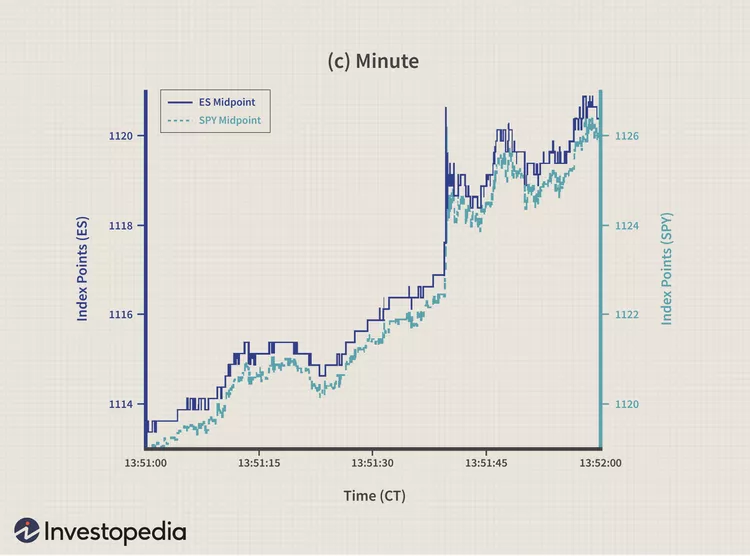
In the fast-paced world of finance, the advent of technology has revolutionized trading practices. Among these innovations, algorithmic trading (AT) and high-frequency trading (HFT) have emerged as dominant forces, significantly influencing market dynamics and daily volatility. This article delves into the impact of these trading strategies on market behavior, investor psychology, and overall volatility, providing a comprehensive understanding of their role in the modern stock market.
Understanding Algorithmic and High-Frequency Trading
Algorithmic trading refers to the use of computer algorithms to automate trading strategies. Traders program these algorithms to execute trades based on predefined criteria, such as price, volume, or timing. This automation allows for rapid execution of trades, freeing traders from the need to manually monitor the markets.
High-frequency trading, a subset of algorithmic trading, involves executing a large number of orders at extremely high speeds. HFT firms leverage advanced technology and sophisticated algorithms to capitalize on minute price discrepancies that may exist for only milliseconds. Due to the speed and volume of transactions, HFT can significantly affect market conditions.
The Role of AT and HFT in Market Volatility
Increased Market Liquidity
One of the primary impacts of algorithmic and high-frequency trading is the enhancement of market liquidity. By constantly providing buy and sell orders, these trading strategies contribute to tighter bid-ask spreads, making it easier for other investors to enter and exit positions. Increased liquidity generally reduces volatility, as larger volumes of trades can absorb price fluctuations without significant movement.
Flash Crashes and Extreme Volatility
Despite their liquidity-enhancing benefits, algorithmic and high-frequency trading can also lead to sudden spikes in volatility. Flash crashes, characterized by rapid and severe drops in stock prices, often occur due to the interplay of HFT strategies. When algorithms react simultaneously to market signals—such as a sudden drop in prices—this can trigger a cascade of sell orders, exacerbating the volatility. For example, during the infamous flash crash of May 2010, HFT was identified as a key contributor to the chaotic market movements.
Market Sentiment and Psychological Factors
The impact of algorithmic and high-frequency trading extends beyond mere numbers; it also influences market sentiment and psychology. Traders and investors may adjust their behavior based on the presence of AT and HFT in the market. For instance, if market participants perceive that algorithms are driving prices, they may become more risk-averse, leading to increased selling, which further amplifies volatility.
Regulatory Responses and Their Implications
The Need for Regulation
In response to the challenges posed by algorithmic and high-frequency trading, regulatory bodies across the globe have begun to implement measures aimed at curbing excessive volatility. These regulations may include restrictions on the speed of trading, minimum resting times for orders, or the introduction of circuit breakers that halt trading during extreme price movements. The goal is to create a more stable trading environment while not stifling the innovation and efficiency that AT and HFT provide.
Balancing Innovation and Stability
While regulations are necessary to mitigate risks, they must be balanced carefully to ensure that the benefits of algorithmic and high-frequency trading are not completely stifled. The challenge lies in crafting rules that maintain market integrity while allowing for technological advancements. Continued dialogue between regulators and market participants is essential in achieving this balance.
Future Trends in Algorithmic and High-Frequency Trading
Artificial Intelligence and Machine Learning
As technology continues to evolve, the future of algorithmic and high-frequency trading is likely to be shaped by advancements in artificial intelligence (AI) and machine learning. These technologies can analyze vast amounts of market data more efficiently than traditional algorithms, allowing for more nuanced trading strategies that account for complex market conditions. This shift could lead to even greater market efficiencies but may also introduce new forms of volatility if not managed properly.
Ethical Considerations
With the increasing reliance on algorithms for trading, ethical considerations are becoming more prominent. Issues such as market manipulation, data privacy, and the potential for systemic risks require careful examination. As traders and firms harness the power of technology, they must also remain vigilant about the ethical implications of their strategies and the potential impact on market stability.
Conclusion
Algorithmic trading and high-frequency trading have undoubtedly transformed the landscape of the stock market, bringing both benefits and challenges. While they enhance market liquidity and efficiency, they also contribute to increased volatility, particularly during extreme market conditions. As the financial ecosystem continues to evolve, the collaboration between regulators, traders, and technology developers will be crucial in harnessing the advantages of these trading practices while mitigating their risks. Understanding the interplay between technology and market behavior is essential for investors seeking to navigate the complexities of today's financial markets.
Si quieres conocer otros artículos parecidos a How Algorithmic Trading and High-Frequency Trading Impact Daily Volatility puedes visitar la categoría Market Psychology & Advanced Analysis.
Related posts