
How to Spot Financial Statement Fraud and Accounting Red Flags
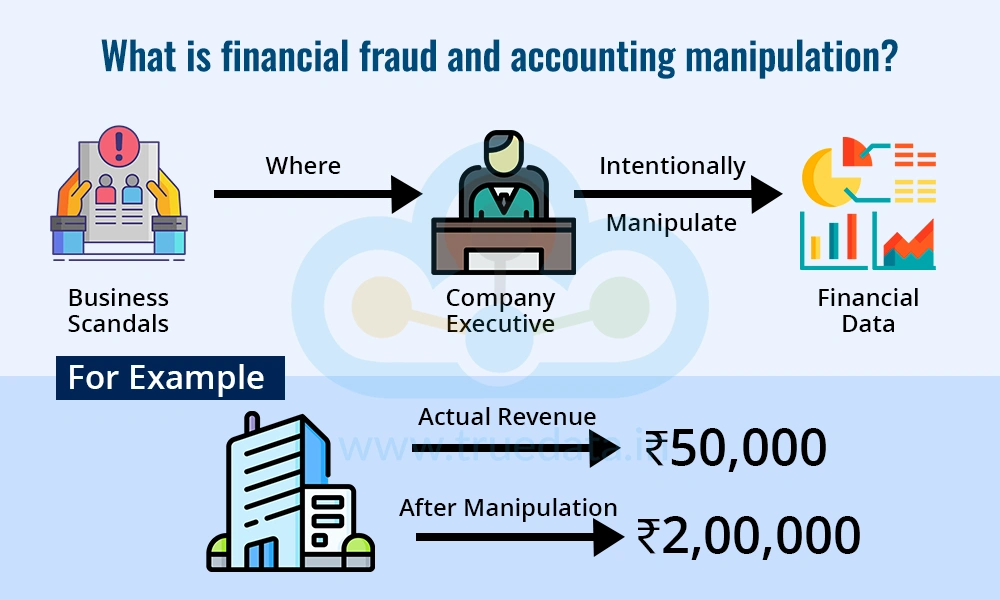
In the world of investing, understanding financial statements is crucial for making informed decisions. However, these documents can sometimes be manipulated, leading to financial statement fraud. Detecting such fraud is essential for protecting your investments and maintaining market integrity. In this article, we will explore how to spot financial statement fraud and identify accounting red flags that may indicate deeper issues within a company.
Understanding Financial Statement Fraud
Financial statement fraud involves the intentional misrepresentation of a company's financial position or performance. This deceit can take many forms, from overstating revenues to underreporting liabilities. The consequences of such fraud can be devastating, not only for investors but also for employees and the broader economy. To prevent falling victim to such schemes, it’s important to recognize the warning signs.
Common Types of Financial Statement Fraud
Before diving into the red flags, it’s important to understand some common types of financial statement fraud:
- Revenue Recognition Fraud: This occurs when a company recognizes revenue before it is actually earned, often by using aggressive accounting practices.
- Asset Misappropriation: This involves stealing or misusing company assets, which can distort financial statements.
- Liability Omissions: Companies may hide liabilities from their balance sheets to present a healthier financial position.
- Manipulation of Expenses: By capitalizing on expenses or deferring costs, companies can inflate their profits.
Key Accounting Red Flags
While financial statements can be complex, there are several red flags that investors should watch for:
1. Unusual Changes in Revenue
A sudden spike or decline in revenue can indicate potential fraud. Investors should be cautious if a company's revenue growth significantly outpaces its industry peers or if it seems inconsistent with market trends. Always assess the reasons behind these changes.
2. Frequent Changes in Accounting Policies
Companies may change their accounting policies to present a more favorable financial picture. Frequent adjustments can be a red flag, especially if they lead to improved earnings or financial ratios without a clear justification.
3. Complex Financial Structures
Companies with complicated financial structures, such as numerous subsidiaries or off-balance-sheet entities, may be attempting to obscure their true financial condition. Investors should seek clarity regarding the nature of these entities and their impact on the financials.
4. High Management Turnover
Frequent changes in top management can signal deeper issues within the company. If executives are leaving or being replaced regularly, it may indicate conflicts, poor performance, or attempts to cover up financial irregularities.
5. Lack of Transparency
Transparent companies typically provide detailed explanations of their financial results. If a company is vague or evasive about its financial practices, it may be hiding something. Always be wary of companies that resist scrutiny.
Analyzing Financial Ratios
Financial ratios can provide valuable insights into a company's health and help identify potential fraud. Here are a few key ratios to consider:
- Gross Margin Ratio: A significant decline in this ratio may suggest revenue manipulation or rising costs that are not being reported accurately.
- Current Ratio: A ratio that suddenly improves could indicate the company is shifting its liabilities off the balance sheet.
- Debt to Equity Ratio: A rising ratio can signal that a company is taking on excessive debt, which may not be fully disclosed in the financial statements.
Conducting a Thorough Review
To spot financial statement fraud, it’s essential to conduct a thorough review of the company’s financial documents. Here are some steps you can take:
- Compare Financial Statements: Look at several years of financial statements to identify trends and inconsistencies.
- Read Auditor Reports: Pay attention to the auditor’s opinion, as a qualified or adverse opinion can indicate potential issues.
- Utilize Forensic Accounting Techniques: If necessary, consider hiring a forensic accountant to analyze financial data for signs of fraud.
Staying Informed and Vigilant
Staying updated on industry trends and economic conditions can also help you identify potential red flags. Regularly read financial news, analyst reports, and market commentary to gain insights into companies you are interested in. Additionally, consider joining investment clubs or forums where you can discuss and share information with other investors.
Conclusion
Spotting financial statement fraud can be challenging, but by being aware of common red flags and conducting thorough analyses of financial statements, investors can protect themselves from potential losses. Vigilance, skepticism, and a commitment to due diligence are key components of successful investing. Remember, when in doubt, seek professional advice to ensure your investment decisions are informed and sound.
Si quieres conocer otros artículos parecidos a How to Spot Financial Statement Fraud and Accounting Red Flags puedes visitar la categoría Market Psychology & Advanced Analysis.
Related posts