
The Dot-Com Bubble vs. Today's Tech Market: Key Parallels and Differences
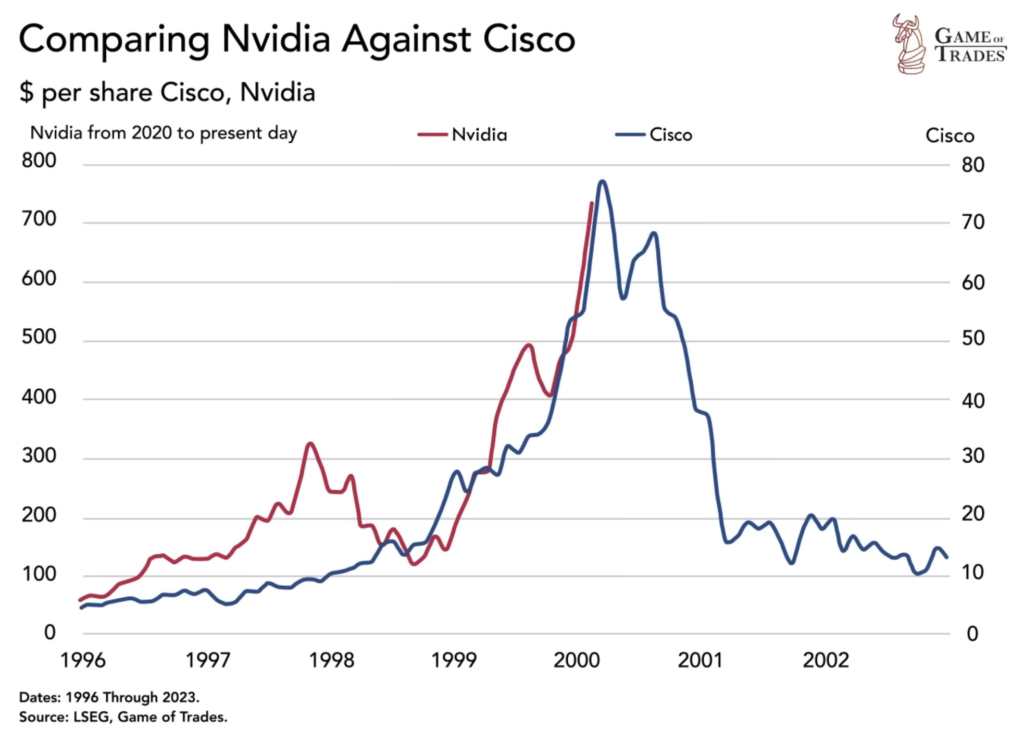
The tech industry has always been a source of fascination for investors and economists alike. The rapid rise and fall of tech stocks during the late 1990s and early 2000s, known as the dot-com bubble, still serves as a cautionary tale. Today, we find ourselves in another era of significant technological advancements and soaring valuations. However, as we analyze the current tech market, it’s crucial to identify the key parallels and differences between the dot-com bubble and today’s environment. This exploration reveals both the lessons learned from past mistakes and the new challenges facing investors.
Understanding the Dot-Com Bubble
The dot-com bubble was characterized by excessive speculation in internet-based companies during the late 1990s. Investors poured money into startups with little to no profits, lured by the promise of the internet revolution. This led to skyrocketing stock prices that did not align with the underlying business fundamentals.
Key Characteristics of the Dot-Com Bubble
- Excessive Valuations: Companies with no revenue were valued in the billions, often based solely on web traffic and growth potential.
- Speculative Investment: Many investors bought stocks based on hype rather than sound financial analysis, driven by fear of missing out.
- Rapid Growth of Technology: The internet was emerging as a transformative technology, leading to a frenzy of innovation and investment.
- Market Correction: By 2000, the bubble burst, resulting in a significant market correction that wiped out trillions in market value.
The Current Tech Market Landscape
Fast forward to today, and the technology sector is once again thriving, driven by advancements in artificial intelligence, cloud computing, and e-commerce. However, the current landscape presents both similarities and notable differences from the dot-com era.
Parallels Between the Two Eras
- High Valuations: Similar to the dot-com era, many tech firms, particularly in AI and fintech, are experiencing high valuations, often outpacing their earnings.
- Venture Capital Investment: There is a significant influx of venture capital into tech startups, reminiscent of the late '90s, with many investors betting on future growth.
- Innovative Technologies: Just as the internet was revolutionary then, technologies like blockchain and machine learning are driving current market enthusiasm.
- Speculative Trading: Retail trading platforms have made it easier for individuals to invest in tech stocks, sometimes based on trends rather than fundamentals.
Differences in Market Dynamics
- Established Business Models: Many current tech companies have established business models with proven revenue streams, unlike many dot-com startups that lacked sustainable plans.
- Regulatory Environment: The tech industry today is subject to greater scrutiny and regulation, evolving from lessons learned during the dot-com crash.
- Global Market Access: Current tech companies operate in a more interconnected global market, providing diverse revenue sources that help mitigate risk.
- Focus on Profitability: Investors today are increasingly prioritizing profitability and cash flow, contrasting with the blind faith in growth that characterized the dot-com era.
Lessons Learned from the Dot-Com Era
The collapse of the dot-com bubble taught investors valuable lessons about market psychology and the importance of due diligence. Today’s investors can benefit from these insights to navigate the current tech landscape more effectively.
Critical Lessons
- Due Diligence is Essential: Investors must conduct thorough research and understand business models before committing capital.
- Beware of Hype: Investing based on trends and media coverage can lead to poor decision-making. Understanding the fundamentals is crucial.
- Diversification is Key: A well-diversified portfolio can help mitigate risks associated with sector-specific downturns.
- Long-Term Perspective: Focusing on long-term growth rather than short-term gains can lead to more sustainable investment strategies.
Conclusion
While the current tech market shares some similarities with the dot-com bubble, it also possesses distinct characteristics that suggest a more mature and robust environment. By recognizing the parallels and differences, investors can better position themselves to navigate today’s tech landscape. The lessons learned from the past serve as a guiding light, helping investors make informed decisions in a rapidly evolving market. As technology continues to shape our world, maintaining a cautious yet optimistic approach will be essential for success.
Si quieres conocer otros artículos parecidos a The Dot-Com Bubble vs. Today's Tech Market: Key Parallels and Differences puedes visitar la categoría Market Psychology & Advanced Analysis.
Related posts