
How to Avoid Early Withdrawal Penalties on Retirement Accounts
Retirement accounts are essential for building a secure financial future. However, accessing these funds before reaching retirement age can lead to significant penalties. Understanding how to navigate the rules surrounding early withdrawals is vital for anyone considering tapping into their retirement savings prematurely. In this article, we will explore various strategies to avoid early withdrawal penalties on retirement accounts, ensuring you can make informed financial decisions.
Understanding Early Withdrawal Penalties
Early withdrawal penalties apply primarily to tax-advantaged retirement accounts, such as 401(k)s and traditional IRAs. If you withdraw funds from these accounts before the age of 59½, the IRS typically imposes a penalty of 10% on the amount withdrawn, in addition to any income taxes owed. This penalty is designed to discourage people from using retirement savings for non-retirement purposes.
Exceptions to Early Withdrawal Penalties
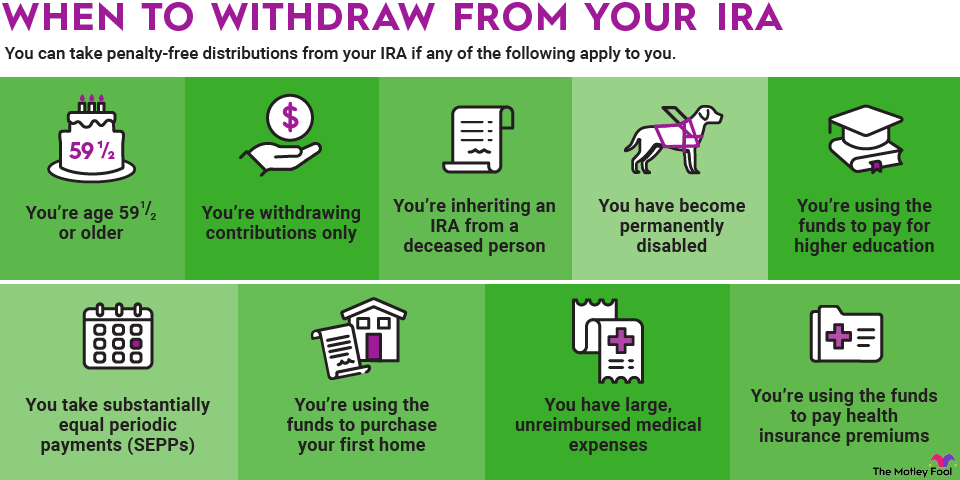
Fortunately, there are several exceptions to the early withdrawal penalty that can allow you to access your funds without incurring additional costs. Here are some common exceptions:
- Disability: If you become permanently disabled, you may withdraw funds without penalty.
- Medical Expenses: Withdrawals used to pay for qualifying medical expenses that exceed 7.5% of your adjusted gross income are exempt from penalties.
- First-Time Home Purchase: You can withdraw up to $10,000 from an IRA for a first-time home purchase without penalty.
- Higher Education Expenses: Withdrawals to pay for qualified higher education expenses are also exempt from the penalty.
- Substantially Equal Periodic Payments (SEPP): If you take regular withdrawals based on your life expectancy, you can avoid penalties.
Strategies to Avoid Early Withdrawal Penalties
1. Consider a Roth IRA
Roth IRAs offer unique advantages when it comes to withdrawals. Contributions to a Roth IRA can be withdrawn at any time without penalties or taxes since you have already paid tax on those contributions. However, earnings on those contributions are subject to penalties if withdrawn before the age of 59½ unless you meet certain conditions. This makes Roth IRAs a flexible option for those who may need access to their funds before retirement.
2. Use a 401(k) Loan
If your employer's 401(k) plan allows it, taking a loan against your account balance can be an effective way to access funds without penalties. Typically, you can borrow up to 50% of your vested balance, up to a maximum amount. However, it’s crucial to understand the repayment terms, as failing to repay the loan could result in it being treated as a distribution, triggering penalties and taxes.
3. Explore Hardship Withdrawals
Many 401(k) plans permit hardship withdrawals under specific circumstances, such as buying a primary residence, paying for tuition, or covering medical expenses. To qualify, you must demonstrate an immediate and pressing financial need. Be sure to check your specific plan’s rules and documentation requirements, as these can vary significantly.
4. Plan Withdrawals Strategically
If you anticipate needing to withdraw funds, consider the timing carefully. If you can wait until you reach age 59½, you will avoid the early withdrawal penalty altogether. Additionally, consider how your withdrawals will impact your overall tax situation. It may be beneficial to work with a financial advisor to determine the most tax-efficient withdrawal strategy.
5. Seek Professional Advice
Consulting with a financial advisor or tax professional can provide tailored guidance based on your unique financial situation. They can help you understand the implications of withdrawing from your retirement accounts and explore alternatives that may be available to you.
Conclusion
Accessing retirement funds early can be tempting in times of financial need, but it's essential to approach this decision with caution. Understanding the rules regarding early withdrawals and exploring the available exceptions can help you avoid costly penalties. By considering options such as Roth IRAs, 401(k) loans, hardship withdrawals, and strategic planning, you can safeguard your retirement savings while addressing immediate financial concerns. Always remember to consult with a professional to ensure you are making informed choices that align with your long-term financial goals.
Si quieres conocer otros artículos parecidos a How to Avoid Early Withdrawal Penalties on Retirement Accounts puedes visitar la categoría Taxes & Personal Finance.
Related posts