
How to Maximize Your IRA Contributions for Tax-Advantaged Growth
Individual Retirement Accounts (IRAs) are a powerful tool for building your retirement savings while enjoying significant tax benefits. Understanding how to maximize your contributions to these accounts can lead to substantial growth over time. In this article, we will explore strategies for maximizing your IRA contributions, the tax advantages available, and tips to ensure you are making the most of your retirement savings.
Understanding IRA Contribution Limits
Before diving into strategies for maximizing your contributions, it’s essential to understand the annual contribution limits set by the IRS. These limits can change yearly, so it's important to stay updated. Currently, individuals can contribute to their IRAs up to a certain amount each year, with additional catch-up contributions allowed for those aged 50 and older.
Both Traditional and Roth IRAs have similar contribution limits, but they offer different tax advantages. With a Traditional IRA, contributions may be tax-deductible, while withdrawals are taxed as income. In contrast, Roth IRA contributions are made with after-tax dollars, allowing for tax-free withdrawals in retirement. Choose the type of IRA that aligns best with your financial situation and retirement goals.
Strategies to Maximize Your IRA Contributions
1. Start Early and Contribute Regularly
One of the most effective ways to maximize your IRA contributions is to start as early as possible. The power of compounding interest means that the sooner you contribute, the more your money can grow over time. Consider setting up automatic contributions to your IRA from your paycheck or bank account. This not only ensures that you’re consistently contributing but also helps you avoid the temptation to spend the money elsewhere.
2. Utilize Catch-Up Contributions
If you are aged 50 or older, take advantage of catch-up contributions. This allows you to contribute additional funds beyond the standard limit, providing an excellent opportunity to boost your retirement savings as you approach retirement age. Ensure you are aware of these limits and factor them into your overall retirement savings strategy.
3. Make Contributions Throughout the Year
Instead of waiting until the tax deadline to make your IRA contributions, consider spreading them throughout the year. This approach allows you to take advantage of dollar-cost averaging, reducing the impact of market volatility on your investments. By contributing regularly, you can also increase your overall savings by taking full advantage of your allowed contributions.
4. Take Advantage of Employer-sponsored Plans
If your employer offers a retirement plan, such as a 401(k), consider contributing to it alongside your IRA. Some employers offer matching contributions, which can significantly enhance your overall retirement savings. If you receive a match, aim to contribute at least enough to secure the full match before focusing on your IRA contributions.
5. Consider Converting to a Roth IRA
Depending on your income and tax situation, converting a Traditional IRA to a Roth IRA could be beneficial. While this involves paying taxes on the converted amount, it allows for tax-free growth and tax-free withdrawals in retirement. Evaluate your current and expected future tax rates to determine if this strategy makes sense for your financial situation.
Tax Advantages of IRAs
One of the primary reasons to maximize IRA contributions is the tax advantages they offer. Here are some key benefits:
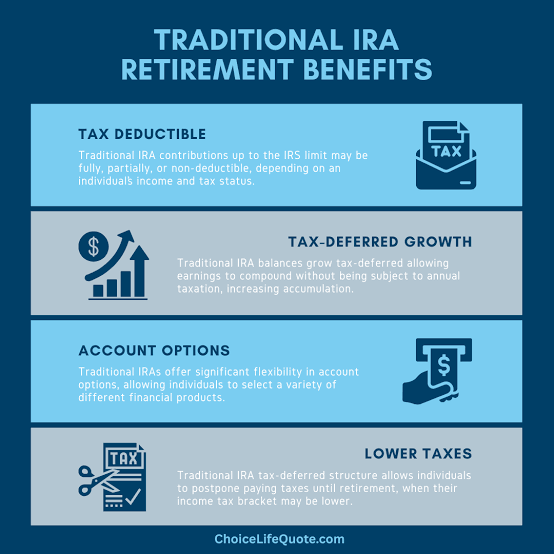
- Tax Deduction: For Traditional IRAs, contributions may be tax-deductible, reducing your taxable income for the year you contribute.
- Tax-Deferred Growth: Both Traditional and Roth IRAs allow your investments to grow tax-free or tax-deferred, meaning you won’t owe taxes on gains until you withdraw funds (in the case of a Traditional IRA).
- Tax-Free Withdrawals: With a Roth IRA, qualified withdrawals are completely tax-free, providing a valuable income source during retirement.
Common Mistakes to Avoid
While maximizing your IRA contributions can set you up for a secure retirement, it's essential to avoid common pitfalls:
- Missing Deadlines: Ensure you are aware of contribution deadlines for both Traditional and Roth IRAs, as missing these can result in penalties.
- Ignoring Investment Choices: Simply contributing to an IRA is not enough; ensure you are investing wisely within the account to maximize growth.
- Not Reviewing Your Plan: Regularly review your retirement strategy and adjust your contributions as needed to stay on track with your goals.
Conclusion
Maximizing your IRA contributions is a crucial step in building a secure financial future. By understanding contribution limits, utilizing catch-up contributions, and taking advantage of tax benefits, you can create a robust retirement savings strategy. Avoid common mistakes and make informed decisions about your investments to ensure your IRA works hard for you. Start today to enjoy the tax-advantaged growth that IRAs offer and pave the way for a comfortable retirement.
Si quieres conocer otros artículos parecidos a How to Maximize Your IRA Contributions for Tax-Advantaged Growth puedes visitar la categoría Taxes & Personal Finance.
Related posts