
Traditional 401(k) vs. Roth 401(k): Which Should You Choose?
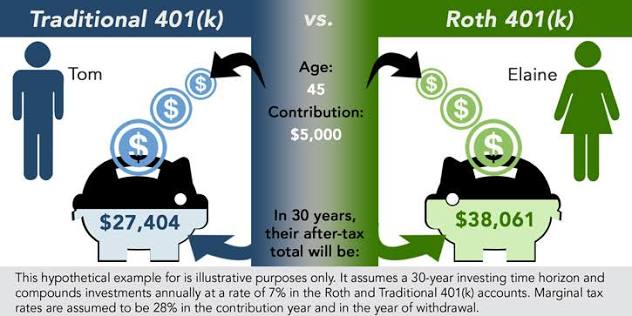
When planning for retirement, one of the most critical decisions you'll face is choosing the right type of 401(k) plan. The two most common options—Traditional 401(k) and Roth 401(k)—offer distinct tax advantages and features. Understanding these differences is essential for making an informed choice that aligns with your financial goals. In this article, we will explore each option, compare their benefits and drawbacks, and help you decide which plan may be the best fit for your retirement strategy.
Understanding the Basics
Before diving into the details, let’s clarify what a 401(k) plan is. A 401(k) is an employer-sponsored retirement savings plan that allows employees to save a portion of their paycheck before taxes are taken out. There are two main types of 401(k) plans: Traditional and Roth.
Traditional 401(k)
With a Traditional 401(k), your contributions are made with pre-tax dollars. This means:
- Your taxable income is reduced by the amount you contribute, potentially lowering your tax bill for the year.
- Taxes are deferred until you withdraw funds during retirement.
This plan is particularly advantageous for individuals who expect to be in a lower tax bracket during retirement than they are currently. You will pay taxes on your withdrawals, but if your income decreases, your tax rate may also drop.
Roth 401(k)
The Roth 401(k) operates differently. Contributions are made with after-tax dollars, which means:
- You pay taxes on your contributions upfront, but withdrawals in retirement are tax-free, provided certain conditions are met.
- Qualified withdrawals include those made after age 59½ and after holding the account for at least five years.
This plan is ideal for those who anticipate being in a higher tax bracket when they retire or who want to enjoy tax-free income during retirement.
Comparing Key Features
Now that we understand the basics, let’s compare several key features of Traditional and Roth 401(k) plans to help you determine which might be the better option for you.
Tax Implications
As mentioned, the primary difference lies in how and when you pay taxes:
- In a Traditional 401(k), you benefit from tax-deferred growth, meaning you won't pay taxes on your investments until you withdraw them.
- In a Roth 401(k), you pay taxes on your contributions at your current rate, allowing for tax-free withdrawals in retirement.
Contribution Limits
Both Traditional and Roth 401(k) plans have the same contribution limits set by the IRS. For 2023, employees can contribute up to a certain amount, with catch-up contributions available for those aged 50 and over. However, always check for the latest limits as they may change.
Withdrawal Rules
Withdrawal rules also differ significantly between the two plans:
- Traditional 401(k): Withdrawals are subject to income tax and may incur penalties if taken before age 59½, unless certain criteria are met.
- Roth 401(k): Contributions can be withdrawn at any time without penalty, while earnings can be withdrawn tax-free after meeting specific conditions.
Employer Matching Contributions
Many employers offer matching contributions for both plans, which can significantly boost your retirement savings. However, if your employer matches contributions for a Roth 401(k), those matched funds go into a Traditional 401(k) account, meaning you will still be taxed on those funds during retirement.
Consider Your Financial Goals
Choosing between a Traditional and Roth 401(k) ultimately depends on your individual financial situation and retirement goals. Here are some factors to consider:
- Current vs. Future Tax Rate: If you believe your tax rate will be lower in retirement, a Traditional 401(k) may be more beneficial. Conversely, if you expect it to rise, a Roth 401(k) could be advantageous.
- Age and Time Horizon: Younger individuals may benefit from the tax-free growth of a Roth 401(k) due to a longer investment horizon, while those closer to retirement may prefer the immediate tax benefits of a Traditional 401(k).
- Withdrawal Flexibility: If you desire more flexibility with withdrawals and tax-free income in retirement, the Roth 401(k) may be preferable.
Conclusion
Both the Traditional and Roth 401(k) plans offer unique benefits, and the right choice depends on your personal financial circumstances and retirement goals. Consider your current and future tax situation, your age, and your liquidity needs when making this decision. Consulting with a financial advisor can also provide valuable insights tailored to your specific situation, helping you make the best choice for a secure retirement.
Si quieres conocer otros artículos parecidos a Traditional 401(k) vs. Roth 401(k): Which Should You Choose? puedes visitar la categoría Taxes & Personal Finance.
Related posts