
Behavioral Finance: How Cognitive Biases Ruin Investor Portfolios
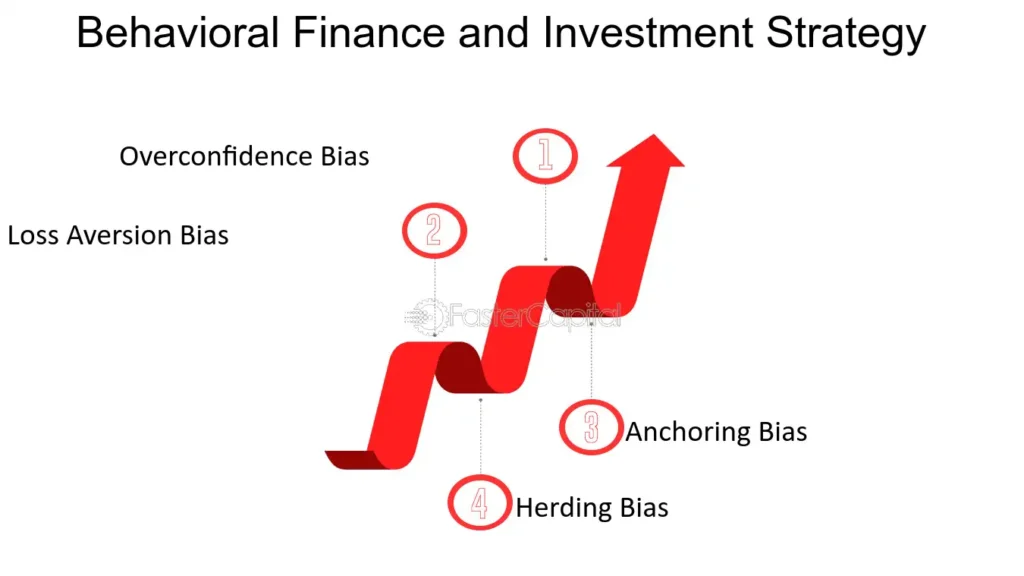
Investing in the stock market is often portrayed as a logical endeavor, driven by numbers and analytical reasoning. However, beneath the surface lies a complex interplay of human psychology that plays a crucial role in investment decisions. Behavioral finance examines how cognitive biases can impair our decisions, leading to suboptimal investment choices. In this article, we will explore various cognitive biases that affect investors and how they can ruin portfolios.
Understanding Behavioral Finance
Behavioral finance combines psychology and economics to understand how emotional and cognitive factors influence financial decision-making. Unlike traditional finance, which assumes that investors are rational and markets are efficient, behavioral finance acknowledges that human emotions and biases can lead to irrational behavior.
Common Cognitive Biases Affecting Investors
1. Overconfidence Bias
Overconfidence bias occurs when investors overestimate their knowledge or predictive abilities. This can lead to excessive trading, as overconfident investors believe they can time the market effectively. They may ignore valuable data and research, ultimately resulting in poor investment decisions.
2. Loss Aversion
Loss aversion is the tendency to prefer avoiding losses over acquiring equivalent gains. Research shows that the pain of losing is psychologically more impactful than the pleasure of gaining. This bias can lead investors to hold onto losing investments for too long, hoping for a rebound, rather than cutting their losses and reallocating funds to more promising opportunities.
3. Anchoring
Anchoring occurs when investors rely too heavily on the first piece of information they encounter. For example, if an investor hears that a stock is worth $100, they may anchor their future decisions around this number, even if the stock’s fundamentals suggest a lower value. This bias can cloud judgment and lead to poor investment choices.
4. Herding Behavior
Herding behavior refers to the tendency of individuals to mimic the actions of a larger group. In the context of investing, this can mean following trends without conducting personal research. When investors see others buying into a stock, they may jump on the bandwagon, often leading to inflated prices and eventual market corrections.
5. Confirmation Bias
Confirmation bias is the tendency to seek out information that confirms one’s existing beliefs while ignoring contradictory evidence. For investors, this can manifest as selectively looking for data that supports a chosen investment, disregarding warnings or negative signals that may indicate a different outcome.
The Impact of Cognitive Biases on Portfolios
The aforementioned biases can have significant negative consequences on investor portfolios. Here are a few ways cognitive biases can lead to poor investment outcomes:
- Poor Diversification: Overconfidence can lead investors to concentrate their portfolios on a few stocks they believe they understand well, ignoring the benefits of diversification.
- Suboptimal Timing: Loss aversion may cause investors to hold onto losing stocks too long, preventing them from reinvesting in more promising opportunities.
- Market Volatility: Herd behavior can exacerbate market volatility, leading to bubbles and crashes that can significantly impact investor portfolios.
- Missed Opportunities: Confirmation bias can cause investors to overlook emerging trends or undervalued stocks that could enhance their portfolios.
Strategies to Mitigate Cognitive Biases
While it’s impossible to eliminate cognitive biases entirely, there are steps investors can take to mitigate their effects:
- Educate Yourself: Understanding cognitive biases can help investors recognize their own tendencies and make more informed decisions.
- Set Clear Goals: Establishing specific, measurable, and achievable investment goals can help maintain focus and reduce emotional decision-making.
- Maintain a Long-Term Perspective: Adopting a long-term investment strategy can help investors resist the urge to react to short-term market fluctuations.
- Seek Professional Advice: Consulting with financial advisors can provide an objective perspective, helping to counteract biases and improve decision-making.
- Implement a Disciplined Investment Plan: Creating a systematic investment approach, such as dollar-cost averaging, can reduce the impact of emotional decision-making.
Conclusion
Behavioral finance sheds light on the psychological factors that drive investor behavior and highlights how cognitive biases can ruin portfolios. By understanding these biases, investors can take proactive steps to mitigate their effects and make more rational, informed decisions. Ultimately, recognizing the influence of psychology on investing can lead to healthier, more successful portfolios in the long run.
Si quieres conocer otros artículos parecidos a Behavioral Finance: How Cognitive Biases Ruin Investor Portfolios puedes visitar la categoría Market Psychology & Advanced Analysis.
Related posts