
How to Build a Dividend Growth Portfolio for Passive Income in 2026
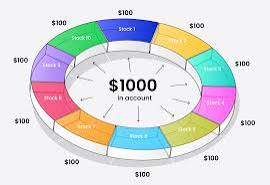
As we step into 2026, the quest for financial independence continues to drive investors towards building a reliable source of passive income. One of the most effective strategies to achieve this is through a dividend growth portfolio. This investment approach focuses on acquiring stocks that not only pay dividends but also increase their payouts over time, providing both income and growth potential. In this article, we will explore the steps to build a successful dividend growth portfolio that can help you secure a steady income stream.
Understanding Dividend Growth Investing
Dividend growth investing revolves around purchasing shares in companies that consistently increase their dividends. This strategy is appealing for several reasons:
- Stable Income: Dividend payments provide regular income, which can be especially beneficial during market downturns.
- Compounding Growth: Reinvesting dividends allows investors to purchase more shares, leading to compound growth over time.
- Inflation Hedge: Companies that grow their dividends often do so in line with or above inflation, helping maintain purchasing power.
Step 1: Set Your Investment Goals
The first step in building a dividend growth portfolio is to define your investment goals. Ask yourself the following questions:
- What is your target annual income from dividends?
- What is your investment time horizon?
- How much risk are you willing to take?
Your answers will help shape the structure of your portfolio, including the types of stocks you choose and how aggressively you invest.
Step 2: Research and Identify Quality Dividend Stocks
Choosing the right stocks is crucial for a successful dividend growth portfolio. Look for companies that exhibit the following characteristics:
- Consistent Dividend History: Companies that have a track record of paying and increasing dividends over several years are often more reliable.
- Strong Fundamentals: Analyze financial statements to ensure the company has solid revenue, earnings growth, and manageable debt levels.
- Dividend Payout Ratio: A lower payout ratio indicates that a company has room to increase dividends without jeopardizing its financial health.
- Market Position: Companies with a strong competitive advantage or dominant market position are more likely to sustain dividend growth.
Step 3: Diversify Your Portfolio
Diversification is key to reducing risk in any investment portfolio. When building a dividend growth portfolio, consider allocating your investments across different sectors and industries. This can help mitigate the impact of sector-specific downturns. Aim for a mix of:
- Consumer Goods
- Healthcare
- Technology
- Utilities
- Financial Services
Step 4: Monitor and Rebalance Your Portfolio
Regular monitoring of your dividend growth portfolio is essential to ensure it remains aligned with your investment goals. Keep track of the following:
- Dividend Increases: Celebrate when companies raise their dividends, as this is a positive indicator of financial health.
- Performance: Compare your portfolio's performance against market benchmarks and adjust your holdings as necessary.
- Changing Fundamentals: If a company’s fundamentals deteriorate, consider whether it’s time to sell and reallocate to a more promising investment.
Rebalancing your portfolio periodically can help maintain your desired asset allocation and reduce risk over time.
Step 5: Reinvest Dividends for Compounding Growth
One of the most powerful strategies in dividend growth investing is reinvesting your dividends. By using dividends to purchase more shares, you can accelerate the compounding effect. Many brokerage platforms offer Dividend Reinvestment Plans (DRIPs) that automatically reinvest dividends, allowing you to take advantage of dollar-cost averaging.
Conclusion
Building a dividend growth portfolio for passive income in 2026 requires careful planning and a disciplined approach. By setting clear investment goals, researching quality dividend stocks, diversifying your holdings, monitoring performance, and reinvesting dividends, you can create a robust portfolio that not only generates income but also grows over time. Remember, successful investing is a long-term endeavor, and patience is key to reaping the benefits of your dividend growth strategy.
Si quieres conocer otros artículos parecidos a How to Build a Dividend Growth Portfolio for Passive Income in 2026 puedes visitar la categoría Stock Market & Investing Strategies.
Related posts