
How to Invest in Commodities Without Buying Physical Assets
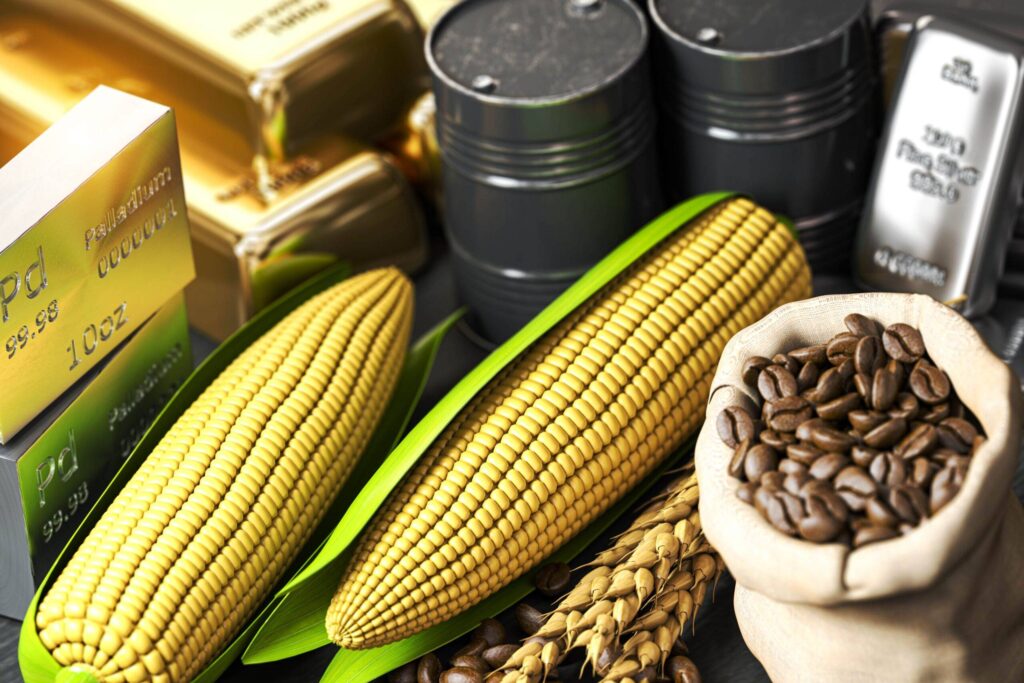
Investing in commodities can be an effective way to diversify your portfolio and hedge against inflation. However, many potential investors are deterred by the thought of purchasing physical assets like gold bars or barrels of oil. Fortunately, there are several alternative methods to invest in commodities without the need to handle physical goods. In this article, we’ll explore various strategies, including financial instruments and innovative platforms, that allow you to gain exposure to commodities in a more accessible and convenient way.
Understanding Commodities
Commodities are raw materials or primary agricultural products that can be bought and sold. They are typically categorized into two types: hard commodities and soft commodities. Hard commodities include natural resources that are mined or extracted, such as oil, gold, and metals. Soft commodities, on the other hand, are agricultural products like wheat, coffee, and sugar.
Investing in commodities can serve multiple purposes, such as portfolio diversification, inflation protection, and the opportunity for speculative gains. However, the traditional route of buying physical commodities may not be feasible for everyone. Here are several alternatives.
1. Commodity Futures Contracts
One of the most common ways to invest in commodities without owning physical assets is through commodity futures contracts. A futures contract is a legally binding agreement to buy or sell a specific quantity of a commodity at a predetermined price on a specified date in the future.
- Leverage: Futures trading allows investors to control a large amount of commodities with a relatively small investment, as you only need to put down a margin.
- Speculation: Traders can profit from price movements in the underlying commodity without ever having to take possession of it.
- Hedging: Producers and consumers of commodities can hedge against price fluctuations by locking in prices through futures contracts.
However, trading futures can be risky and requires a good understanding of market dynamics, so it’s advisable for investors to educate themselves before diving in.
2. Commodity Exchange-Traded Funds (ETFs)
Commodity ETFs are funds that invest in commodities or commodity-producing companies and can be traded on major stock exchanges. These funds provide a convenient way for investors to gain exposure to a diversified portfolio of commodities.
- Liquidity: Commodity ETFs are easily bought and sold, making them a liquid investment option.
- Diversification: Many ETFs hold a basket of different commodities, reducing the risk associated with investing in a single commodity.
- Cost-Effective: They typically have lower expense ratios compared to actively managed funds.
Investors should carefully consider the ETF’s structure, as some may use derivatives to achieve their investment objectives, which can introduce additional risks.
3. Commodity Stocks
Another way to invest in commodities without owning physical assets is by purchasing stocks of companies in the commodity sector. This can include mining companies, oil and gas producers, and agricultural firms.
- Growth Potential: Investing in commodity stocks offers the opportunity for capital appreciation as companies grow and become more profitable.
- Dividends: Many commodity companies pay dividends, providing investors with income in addition to potential price gains.
- Leverage to Commodity Prices: The performance of these stocks is often correlated with the prices of the underlying commodities they produce.
However, it’s essential to conduct thorough research on the individual companies, as factors such as management quality and operational efficiency can significantly impact performance.
4. Commodity Mutual Funds
Similar to commodity ETFs, mutual funds can provide exposure to commodities through a diversified portfolio. These funds may invest directly in physical commodities, futures contracts, or commodity-producing companies.
- Professional Management: Mutual funds are managed by investment professionals who make decisions on behalf of investors.
- Diversification: Like ETFs, mutual funds can spread risk across various commodities, reducing the impact of volatility in any single market.
- Accessibility: Mutual funds are often available in retirement accounts, making them a suitable option for long-term investors.
Investors should look for funds with a solid track record, reasonable fees, and a clear investment strategy aligned with their financial goals.
5. Online Trading Platforms and Cryptocurrency
With the rise of technology, online trading platforms have made it easier for individuals to invest in commodities. Some platforms allow users to trade commodities directly through contracts for difference (CFDs) or other derivative products.
- Accessibility: Many platforms offer user-friendly interfaces and educational resources, making it easier for beginners to get started.
- Cryptocurrency Commodities: Some cryptocurrencies are linked to the prices of physical commodities (e.g., stablecoins backed by gold), providing another avenue for indirect investment.
- Global Markets: Online platforms often provide access to international commodity markets, broadening investment opportunities.
While online trading offers flexibility and convenience, investors should be mindful of the risks associated with leverage and ensure they understand the products they are trading.
Conclusion
Investing in commodities without buying physical assets is not only possible but can also be highly beneficial for diversifying your investment portfolio. By utilizing futures contracts, ETFs, stocks, mutual funds, and innovative online platforms, you can gain exposure to the commodities market with relative ease. As with any investment strategy, it’s crucial to conduct thorough research, understand the risks involved, and align your investments with your financial goals. With the right approach, you can successfully navigate the world of commodities investing while avoiding the complexities of physical asset ownership.
Si quieres conocer otros artículos parecidos a How to Invest in Commodities Without Buying Physical Assets puedes visitar la categoría Crypto.
Related posts