
Semiconductor Stocks: How Chip Manufacturing Drives the Global Economy
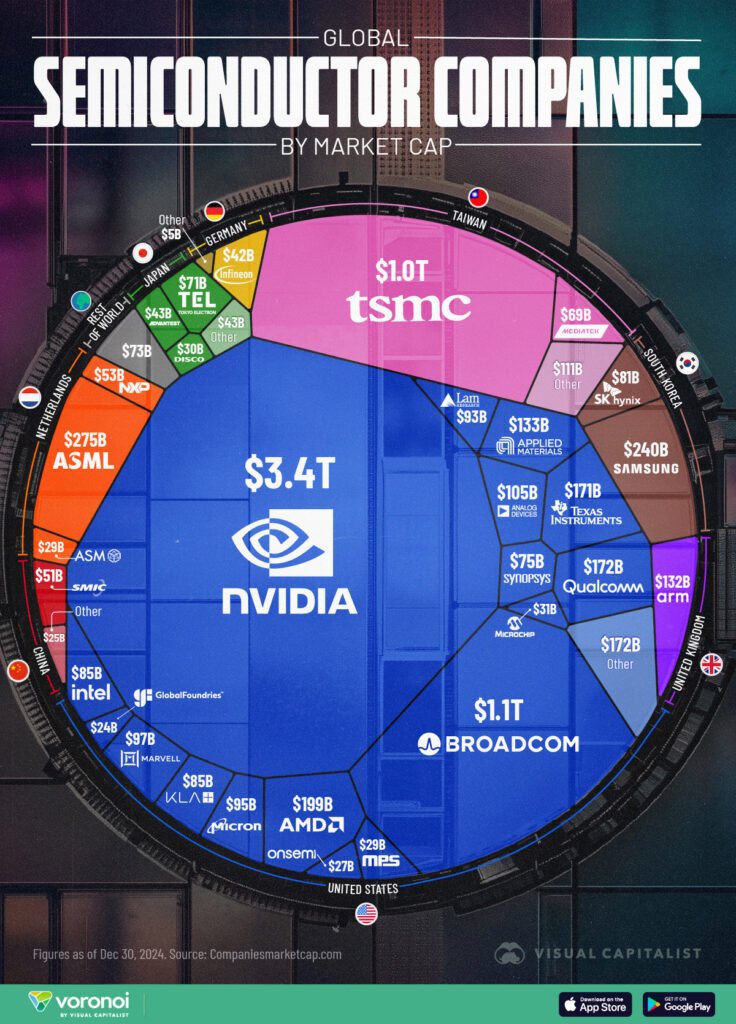
The semiconductor industry is often dubbed the backbone of modern technology, and for good reason. From smartphones to electric vehicles, semiconductors play a critical role in powering the devices and systems that define our daily lives. As a result, semiconductor stocks have emerged as a vital component of the global economy. In this article, we will explore how chip manufacturing influences economic growth, the significance of semiconductor stocks, and the trends shaping this industry.
The Role of Semiconductors in the Global Economy
Semiconductors are essential components in a vast array of electronic devices. They control and manage the flow of electricity within devices, making them indispensable in various sectors, including computing, telecommunications, automotive, and consumer electronics. Here are some ways in which semiconductor manufacturing drives the global economy:
- Innovation Catalyst: The semiconductor industry fosters innovation by enabling the development of new technologies. Advances in chip design and manufacturing processes lead to faster, smaller, and more efficient devices.
- Job Creation: The semiconductor sector is a significant source of employment. It creates jobs not only in manufacturing but also in research and development, engineering, and sales. Regions with semiconductor manufacturing facilities often experience economic growth and job opportunities.
- Global Supply Chains: Semiconductor manufacturing is a complex process that relies on a global supply chain. Raw materials, components, and expertise are sourced from various countries, highlighting the interconnectedness of the global economy.
- Investment Driver: The demand for semiconductors drives investment in research, infrastructure, and technology development, further fueling economic growth.
Understanding Semiconductor Stocks
Investing in semiconductor stocks can offer investors exposure to a dynamic sector with significant growth potential. Semiconductor companies can be broadly categorized into three groups:
- Manufacturers: These companies design and produce semiconductor devices. They play a crucial role in the supply chain and are often at the forefront of technological advancements.
- Equipment Suppliers: These firms provide the machinery and technology needed for semiconductor manufacturing. They are essential for enabling manufacturers to produce chips efficiently and at scale.
- Design Firms: Companies that design the architecture and specifications for semiconductors, often licensing their designs to manufacturers for production.
Investors can benefit from diversifying their portfolios by including semiconductor stocks, as the sector tends to perform well during periods of technological advancement and economic growth. However, it is essential to consider the risks associated with investing in this sector, such as cyclical demand fluctuations and geopolitical tensions that can affect supply chains.
Current Trends in the Semiconductor Industry
The semiconductor industry is constantly evolving, driven by technological advancements and changing consumer demands. Here are some key trends currently shaping the landscape:
1. Increased Demand for AI and Machine Learning
Artificial intelligence (AI) and machine learning are rapidly becoming integral to various industries. This surge in demand is leading to the development of specialized chips designed to handle complex computations efficiently. Companies are investing heavily in creating AI-specific semiconductors, which are expected to drive substantial growth in the sector.
2. Expansion of 5G Technology
The rollout of 5G networks is another significant trend impacting the semiconductor industry. The increased speed and capacity of 5G technology require advanced semiconductors to manage the higher data loads. This has prompted semiconductor companies to innovate and produce chips tailored for 5G applications.
3. Shift Towards Electric Vehicles (EVs)
The global push for sustainability has led to a surge in electric vehicle production. EVs rely heavily on semiconductors for various functions, including battery management, power control, and infotainment systems. This trend has created a robust demand for semiconductors tailored specifically for automotive applications.
4. Supply Chain Resilience
The COVID-19 pandemic exposed vulnerabilities in global supply chains, prompting semiconductor manufacturers to rethink their strategies. Many are now investing in local production capabilities and exploring alternative supply sources to enhance resilience against future disruptions.
Conclusion
The semiconductor industry plays a pivotal role in driving the global economy, influencing everything from technological innovation to job creation. As semiconductor stocks continue to gain traction, investors should stay informed about the trends shaping the industry. With increasing demand for advanced technologies such as AI, 5G, and electric vehicles, the semiconductor sector is poised for significant growth. Understanding the dynamics of this industry can provide valuable insights for anyone looking to navigate the complexities of the stock market and invest wisely in the future.
Si quieres conocer otros artículos parecidos a Semiconductor Stocks: How Chip Manufacturing Drives the Global Economy puedes visitar la categoría Crypto.
Related posts