
Economic Leading Indicators vs. Lagging Indicators: What Investors Must Watch
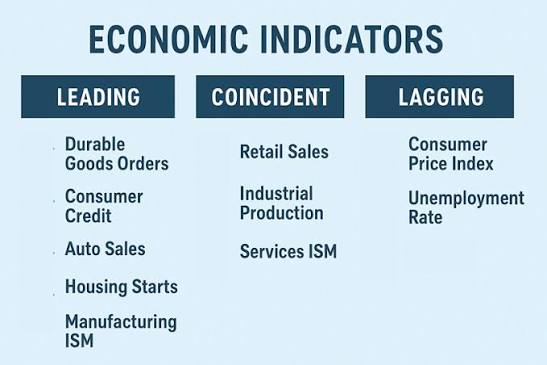
In the world of investing, understanding economic indicators is crucial for making informed decisions. Economic indicators can be classified into two main categories: leading indicators and lagging indicators. Each type serves a unique purpose in assessing the health of the economy and the stock market. This article will explore the differences between these two types of indicators, their significance for investors, and what key indicators to monitor.
Understanding Economic Indicators
Economic indicators are statistics that provide insights into the economic performance of a country. They help investors, policymakers, and analysts gauge the overall health of the economy and anticipate future performance. Indicators can be categorized based on whether they provide information about current economic conditions or predict future trends.
Leading Indicators: A Preview of What’s to Come
Leading indicators are metrics that tend to change before the economy as a whole changes. They are used to predict future economic activity and can give investors a head start in making investment decisions. By monitoring these indicators, investors can potentially capitalize on upcoming trends.
Key Leading Indicators
- Stock Market Performance: Historically, the stock market is often considered a leading indicator as it reflects investor sentiment and expectations about future economic conditions.
- Manufacturing Activity: Reports such as the Purchasing Managers' Index (PMI) measure changes in manufacturing activity and can indicate future production levels.
- Consumer Confidence Index: This index gauges consumer sentiment regarding the economy and can signal future spending trends, which drive economic growth.
- Building Permits: An increase in building permits can suggest future construction activity and economic expansion.
- New Business Startups: Rising numbers of new businesses can indicate optimism and potential economic growth.
Lagging Indicators: Reflecting on What Has Happened
In contrast to leading indicators, lagging indicators are metrics that change after the economy has already begun to follow a particular trend. These indicators are useful for confirming trends and assessing the effectiveness of economic policies, but they do not provide foresight into future conditions.
Key Lagging Indicators
- Unemployment Rate: Changes in the unemployment rate typically reflect past economic conditions, as it tends to rise or fall after economic shifts.
- Gross Domestic Product (GDP): GDP growth is a lagging indicator because it measures economic performance over a previous period, confirming past trends.
- Corporate Profits: Data on corporate earnings reports lag behind economic activity and can indicate how well businesses are performing in response to economic changes.
- Consumer Price Index (CPI): This index measures inflation and tends to reflect past economic conditions, helping to understand the impact of previous economic policies.
- Interest Rates: Changes in interest rates often follow economic trends as central banks respond to inflation and other economic indicators.
Why Investors Should Pay Attention
For investors, understanding both leading and lagging indicators is essential. Leading indicators can provide insights into potential market movements and help investors position their portfolios accordingly. They can signal opportunities for growth or caution against impending downturns.
On the other hand, lagging indicators offer a retrospective view that can help investors understand the effectiveness of their strategies and the broader economic context. By analyzing these indicators, investors can refine their approaches and make more informed decisions moving forward.
Integrating Indicators into Investment Strategies
To effectively utilize economic indicators, investors should consider the following strategies:
- Diversify Investments: By monitoring leading indicators, investors can diversify their portfolios to include sectors that are poised for growth and minimize exposure to lagging sectors that may be declining.
- Stay Informed: Regularly reviewing economic reports and updates on leading and lagging indicators can help investors stay ahead of market trends and make timely decisions.
- Use Historical Data: Understanding how leading and lagging indicators have correlated in the past can provide valuable context for current market conditions.
- Combine Indicators: Using a combination of leading and lagging indicators can create a more comprehensive view of the economy, allowing for better risk management and investment planning.
Conclusion
In summary, both leading and lagging indicators play vital roles in economic analysis and investment strategies. Leading indicators provide foresight into potential economic changes, while lagging indicators offer a retrospective analysis of economic conditions. Investors who understand and monitor these indicators can better navigate the complexities of the stock market, anticipate changes, and make informed investment decisions. By integrating both types of indicators into their strategies, investors can enhance their chances of achieving financial success in a dynamic economic landscape.
Si quieres conocer otros artículos parecidos a Economic Leading Indicators vs. Lagging Indicators: What Investors Must Watch puedes visitar la categoría Macroeconomics & Federal Reserve Policy.
Related posts