
Dollar-Cost Averaging: Why It’s the Best Strategy for Volatile Markets
Investing in the stock market can be a daunting task, especially in today's volatile economic environment. With prices fluctuating dramatically, many investors are left wondering how to effectively manage their portfolios. One strategy that has gained popularity among seasoned and novice investors alike is dollar-cost averaging (DCA). In this article, we will explore what dollar-cost averaging is, how it works, and why it is considered one of the best strategies for navigating turbulent markets.
What is Dollar-Cost Averaging?
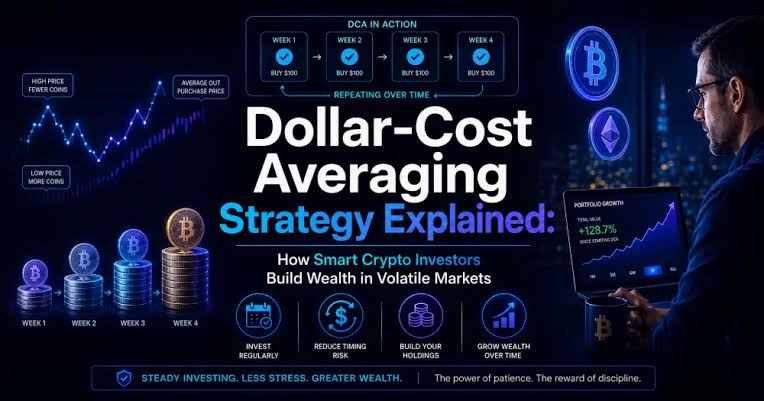
Dollar-cost averaging is an investment strategy that involves regularly purchasing a fixed dollar amount of a particular asset, regardless of its price. By doing so, investors accumulate more shares when prices are low and fewer shares when prices are high. This systematic approach helps to mitigate the impact of volatility and reduces the risk of making poor investment decisions based on market timing.
How Dollar-Cost Averaging Works
The mechanics of dollar-cost averaging are relatively straightforward. Here’s how it typically works:
- Consistent Investment: An investor decides to invest a specific amount of money at regular intervals, such as monthly or quarterly.
- Market Fluctuations: Regardless of whether the market is up or down, the investor continues to invest the same amount.
- Average Cost: Over time, this results in an average cost per share that can be lower than the average market price, especially in volatile markets.
For example, if an investor commits to investing $500 every month into a mutual fund, they will buy more shares when the price is low and fewer shares when the price is high. This results in a balanced approach that helps smooth out the effects of market volatility.
The Benefits of Dollar-Cost Averaging
Dollar-cost averaging offers several advantages that make it particularly appealing in volatile markets:
1. Reduces Emotional Investing
One of the biggest challenges investors face is the emotional aspect of investing. Fear and greed can lead to impulsive decisions that can harm an investment portfolio. By adhering to a dollar-cost averaging strategy, investors can reduce the emotional burden associated with market fluctuations. Since investments are made consistently, there is less temptation to sell during downturns or buy during market highs.
2. Mitigates Timing Risks
Timing the market is notoriously difficult, even for the most experienced investors. Dollar-cost averaging alleviates this pressure by removing the need to predict market movements. Since investments are made at regular intervals, the investor is less affected by short-term volatility, allowing them to focus on long-term growth.
3. Builds Discipline
Establishing a dollar-cost averaging strategy requires a commitment to disciplined investing. By sticking to a regular investment schedule, investors can cultivate a habit that encourages long-term financial planning and wealth building. This disciplined approach can lead to more consistent results over time.
4. Benefits from Market Recoveries
In volatile markets, prices can drop significantly, creating opportunities for savvy investors. With dollar-cost averaging, when the market eventually recovers, the investor benefits from having purchased shares at lower prices. This can enhance overall returns as the market rebounds.
Considerations When Using Dollar-Cost Averaging
While dollar-cost averaging has many benefits, it is essential to consider a few factors before implementing this strategy:
1. Long-Term Perspective
Dollar-cost averaging is most effective when viewed through a long-term lens. Investors should be prepared to commit to this strategy for several years to fully realize its benefits. Short-term market fluctuations may not reflect the long-term potential of the investment.
2. Investment Selection
Choosing the right assets is crucial. Dollar-cost averaging works best with investments that have a history of long-term growth, such as broad market index funds or well-established stocks. Investing in highly speculative assets may not yield the desired results.
3. Transaction Costs
Investors should also be mindful of transaction costs associated with frequent purchases. In some cases, these costs can erode the benefits of dollar-cost averaging. It’s important to choose investment platforms that offer low fees or commission-free trading to make the most of this strategy.
Conclusion
In an unpredictable stock market, dollar-cost averaging stands out as a robust investment strategy that helps investors navigate volatility with confidence. By committing to a consistent investment plan, investors can reduce emotional decision-making, mitigate timing risks, and ultimately enhance their long-term financial success. As with any investment strategy, it's essential to remain informed, stay disciplined, and choose suitable assets that align with your financial goals. Whether you're a beginner or a seasoned investor, dollar-cost averaging can be an effective way to build wealth over time.
Si quieres conocer otros artículos parecidos a Dollar-Cost Averaging: Why It’s the Best Strategy for Volatile Markets puedes visitar la categoría Stock Market & Investing Strategies.
Related posts