
How Liquidity Pumping and Central Bank Balance Sheets Drive Asset Bubbles
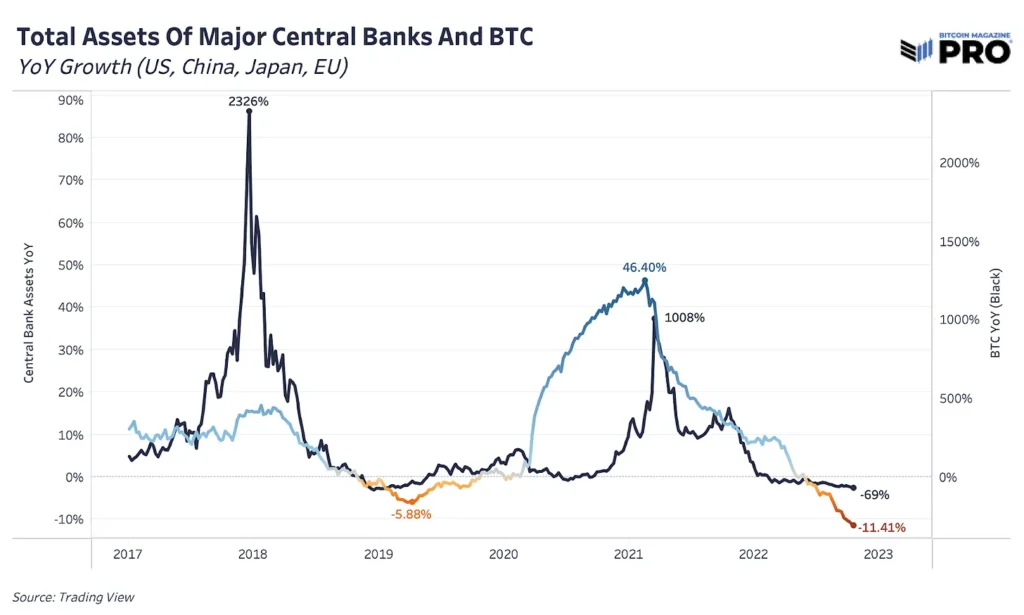
The interplay between liquidity pumping and central bank balance sheets is a pivotal force in shaping financial markets. In recent years, this dynamic has been scrutinized for its role in inflating asset bubbles. Understanding how these mechanisms function can provide investors and policymakers with valuable insights into market behavior, risk management, and the broader economic landscape.
The Concept of Liquidity Pumping
Liquidity pumping refers to the process whereby central banks inject money into the economy, primarily through the purchase of financial assets. This action aims to lower interest rates, stimulate lending, and promote economic growth. While these measures can be beneficial during economic downturns, they can also lead to unintended consequences, particularly in the form of inflated asset prices.
Mechanisms of Liquidity Pumping
- Open Market Operations: Central banks buy or sell government securities to influence the amount of money in the banking system. When they purchase securities, they increase the reserves of banks, allowing them to lend more freely.
- Quantitative Easing (QE): A non-traditional monetary policy tool where central banks purchase longer-term securities to further lower interest rates and encourage investment. QE expands the central bank's balance sheet significantly.
- Lowering Interest Rates: By reducing benchmark interest rates, central banks make borrowing cheaper. This encourages businesses and consumers to take loans, increasing spending and investment.
Central Bank Balance Sheets and Their Impact
Central bank balance sheets have expanded dramatically since the financial crisis of 2008. The accumulation of assets on these balance sheets reflects the central bank's efforts to stabilize the economy. However, this growth can lead to an increase in liquidity in the financial system, which can distort asset prices.
The Expansion of Balance Sheets
- Asset Accumulation: Central banks hold a variety of assets, including government bonds, mortgage-backed securities, and corporate debt. This accumulation can lead to an increase in demand for these assets, driving their prices up.
- Monetary Policy Signals: The size of a central bank's balance sheet is often interpreted as a signal of its commitment to support the economy. This can instill confidence in investors, prompting them to take on more risk.
- Expectations and Speculation: When investors perceive that central banks will continue to support the markets, it can lead to speculative behavior, as individuals and institutions chase higher returns in a low-interest-rate environment.
The Creation of Asset Bubbles
While liquidity pumping and expanded central bank balance sheets can stimulate economic activity, they also create conditions ripe for asset bubbles. An asset bubble occurs when the price of an asset significantly exceeds its intrinsic value, typically fueled by exuberant investor behavior and speculation.
Indicators of Asset Bubbles
- Rapid Price Increases: A sudden and significant rise in asset prices can indicate speculative buying, often detached from the underlying fundamentals.
- High Trading Volumes: Increased trading activity can suggest that investors are actively buying into the hype, further inflating prices.
- Low Volatility: A prolonged period of low market volatility can give investors a false sense of security, encouraging them to invest more aggressively.
The Role of Market Psychology
Market psychology plays a crucial role in the formation and eventual burst of asset bubbles. Investors' behavior is often driven by emotions such as fear and greed, which can lead to irrational decision-making. In times of liquidity pumping, the perception of safety can overshadow fundamental risks, encouraging risky investments.
Herd Behavior and Speculative Frenzy
- Herd Behavior: Investors often follow the crowd, leading to rapid price increases as more individuals jump into the market. This can create a feedback loop where rising prices attract even more investors.
- Fear of Missing Out (FOMO): As asset prices rise, the fear of missing out can drive investors to buy at inflated prices, further exacerbating the bubble.
- Overconfidence: A prolonged period of rising asset prices can lead to overconfidence among investors, making them underestimate potential risks.
Managing the Risks of Asset Bubbles
For investors and policymakers, understanding the dynamics of liquidity pumping and central bank balance sheets is essential for managing the risks associated with asset bubbles. Here are some strategies to consider:
- Diversification: Spreading investments across various asset classes can help mitigate risk, especially in volatile markets.
- Fundamental Analysis: Investors should focus on the underlying value of assets rather than getting caught up in market trends and fads.
- Monitoring Economic Indicators: Keeping an eye on key economic indicators can help investors gauge the health of the economy and make informed decisions.
Conclusion
The relationship between liquidity pumping, central bank balance sheets, and asset bubbles is complex and multifaceted. While central banks play a crucial role in stabilizing economies, their actions can also lead to inflated asset prices and speculative behavior. By understanding these dynamics, investors can better navigate the risks inherent in financial markets and make more informed decisions. As we continue to witness the evolution of monetary policy and its impact on the economy, vigilance and a focus on fundamentals will be essential for long-term success.
Si quieres conocer otros artículos parecidos a How Liquidity Pumping and Central Bank Balance Sheets Drive Asset Bubbles puedes visitar la categoría Market Psychology & Advanced Analysis.
Related posts