
Understanding Market Corrections vs. Bear Markets: Historical Perspectives
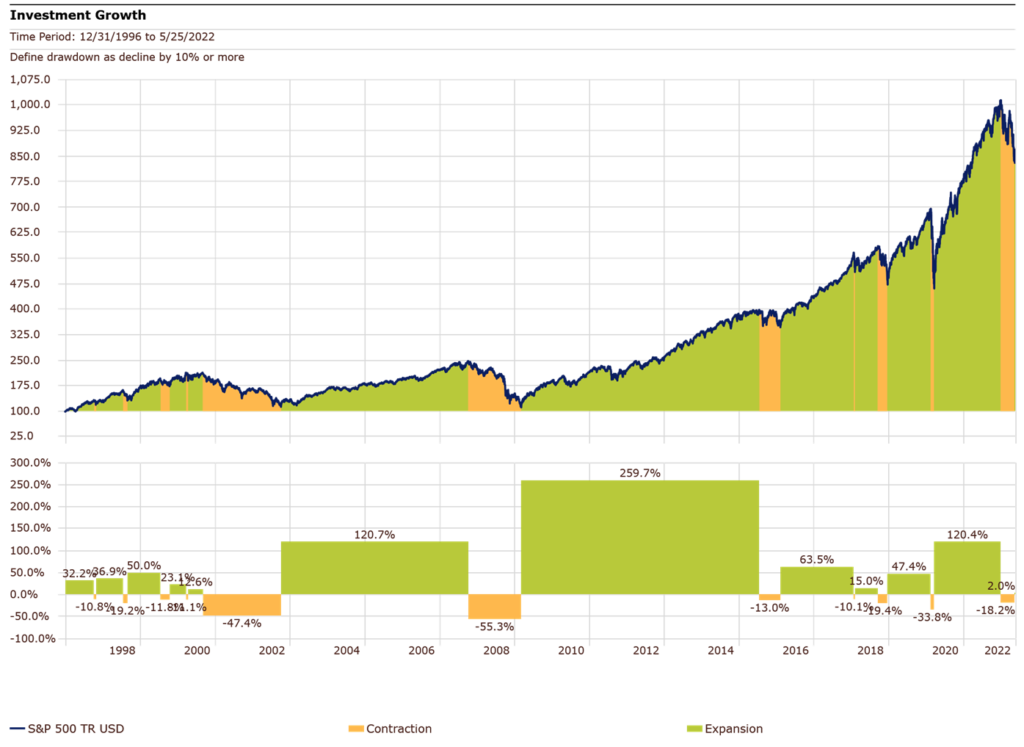
In the world of investing, the terms ""market correction"" and ""bear market"" are often thrown around as if they were interchangeable. However, they refer to distinct phenomena that can significantly impact investor psychology and market dynamics. Understanding the differences between these two concepts is crucial for both novice and seasoned investors. This article will explore the definitions, historical contexts, and implications of market corrections and bear markets, ultimately helping you navigate the complexities of market fluctuations.
Defining Market Corrections
A market correction is generally defined as a short-term decline in stock prices, typically ranging from 10% to 20% from a recent peak. Corrections are considered a natural part of the market cycle and usually occur after a period of rapid price increases. They serve as a necessary adjustment mechanism, allowing the market to recalibrate and align prices with underlying economic fundamentals.
Characteristics of Market Corrections
- Duration: Corrections usually last from a few weeks to several months.
- Magnitude: A decline of 10% to 20% from a recent high is the typical range.
- Frequency: Corrections occur relatively frequently, often several times a year.
- Investor Sentiment: While corrections can induce fear, they often do not lead to widespread panic.
Understanding Bear Markets
In contrast, a bear market is characterized by a prolonged downturn in stock prices, typically recognized as a decline of 20% or more from recent highs. Bear markets often coincide with a broader economic downturn, such as a recession, and can last for several months or even years. The psychological impact of a bear market can be profound, as prolonged declines can lead to significant investor anxiety and pessimism.
Characteristics of Bear Markets
- Duration: Bear markets can last for months or years, with some historical examples extending beyond a decade.
- Magnitude: A decline of 20% or more from recent highs is the hallmark of a bear market.
- Frequency: Bear markets are less frequent than corrections, occurring approximately every 5 to 10 years.
- Investor Sentiment: A bear market often breeds widespread fear and can lead to panic selling among investors.
Historical Perspectives: Notable Market Corrections and Bear Markets
To better understand the differences between market corrections and bear markets, it is helpful to look at historical examples.
Market Corrections
One notable market correction occurred in the fall of 2018, when the S&P 500 experienced a decline of approximately 20% from its peak due to rising interest rates and trade tensions. However, this correction was followed by a rapid recovery, illustrating the typical short-term nature of corrections.
Bear Markets
In contrast, the bear market during the 2007–2009 financial crisis was a stark reminder of the potential severity of prolonged downturns. The S&P 500 fell by nearly 57% from its peak in October 2007 to its trough in March 2009. This bear market was fueled by a combination of factors, including the housing bubble, excessive risk-taking in financial markets, and a subsequent global recession.
Investor Psychology and Market Behavior
The psychological impact of market corrections and bear markets cannot be overstated. During a correction, investors often view the decline as a buying opportunity, while in a bear market, fear and uncertainty can lead to panic-selling and a reluctance to invest. Understanding these psychological dynamics can help investors maintain a level head during turbulent times.
- Stay Informed: Keep up with market trends and economic indicators to better understand the context of market movements.
- Diversification: Spread investments across various asset classes to mitigate risk.
- Long-term Perspective: Focus on long-term goals rather than short-term fluctuations to avoid emotional decision-making.
- Consult Professionals: Consider seeking advice from financial advisors to create a strategic plan tailored to your risk tolerance and investment objectives.
Conclusion
Understanding the differences between market corrections and bear markets is essential for navigating the complexities of investing. While corrections are typically short-lived and can present buying opportunities, bear markets are prolonged downturns that require a more cautious approach. By being aware of historical perspectives and investor psychology, you can better prepare for market fluctuations and make informed decisions that align with your financial goals. Remember, in the world of investing, patience and knowledge are key to weathering any market storm.
Si quieres conocer otros artículos parecidos a Understanding Market Corrections vs. Bear Markets: Historical Perspectives puedes visitar la categoría Market Psychology & Advanced Analysis.
Related posts