
Margin Trading and Leverage: The Hidden Dangers of Borrowing to Invest
In the fast-paced world of investing, margin trading and leverage can often seem like a golden ticket to maximizing gains. However, beneath the allure of increased buying power lies a complex web of risks that can lead to significant financial pitfalls. Understanding the mechanics of margin trading and the dangers associated with leverage is essential for any investor looking to navigate the stock market successfully. This article will delve into the fundamental concepts of margin trading, explore the benefits and risks, and provide insights into how to approach borrowing to invest prudently.
What is Margin Trading?
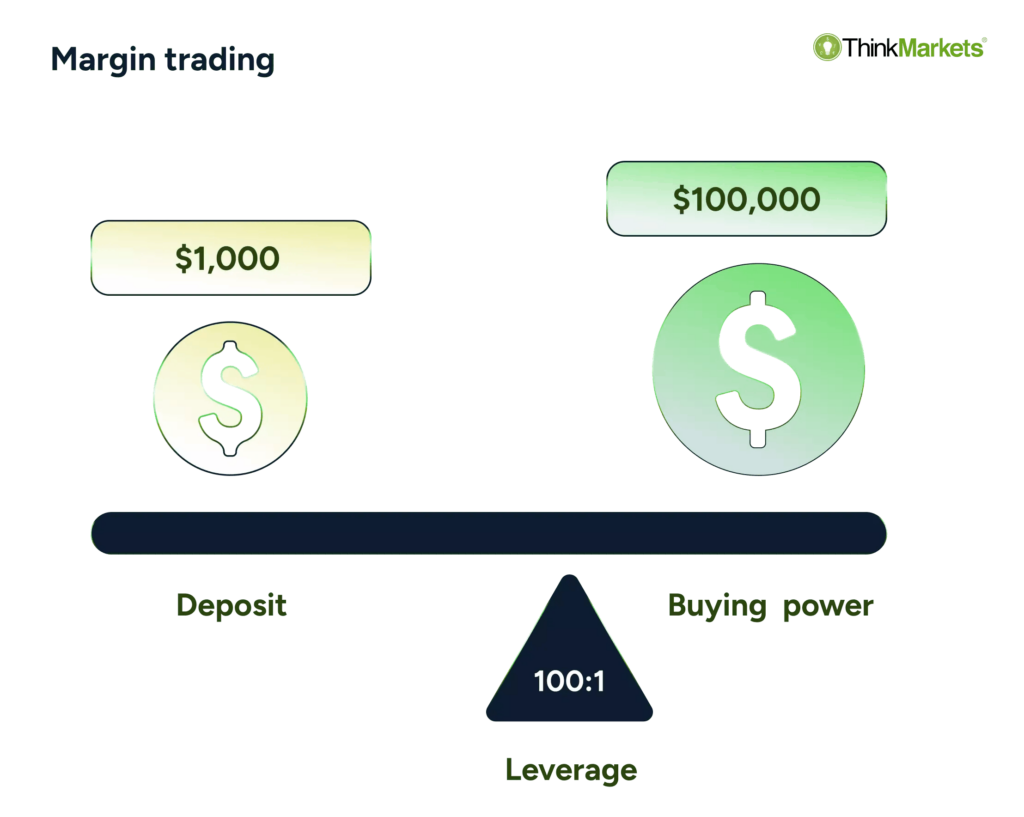
Margin trading involves borrowing funds from a brokerage firm to purchase securities that you do not have enough capital to buy outright. This process allows investors to control a larger position than their available cash would typically permit. The money borrowed is often referred to as ""margin,"" and it amplifies both potential gains and losses.
The Mechanics of Leverage
Leverage in trading refers to the use of borrowed capital to increase the potential return on investment. When you trade on margin, you are essentially using leverage. For instance, if an investor has $10,000 in their brokerage account and uses a 2:1 margin, they can control $20,000 worth of securities. While this can boost profits when the market moves in the investor's favor, it can also lead to devastating losses if the market goes against them.
Benefits of Margin Trading and Leverage
Despite the inherent risks, margin trading and leverage can offer several advantages:
- Increased Buying Power: Investors can amplify their investment potential by borrowing funds, allowing them to purchase more shares than they could with cash alone.
- Diversification: With greater capital, investors can diversify their portfolios across various assets, potentially reducing risk.
- Short Selling Opportunities: Margin accounts allow investors to short sell, betting against a stock. This can be profitable in a declining market.
- Potential for Higher Returns: If investments perform well, the returns can be significantly higher than those achieved with cash-only investments.
While the benefits of margin trading can be enticing, the risks involved can be substantial. Here are some hidden dangers that every investor should consider:
1. Amplified Losses
Just as leverage can amplify gains, it can also magnify losses. A small decline in the value of your investments can lead to significant losses when using margin. For example, if an investment loses 10% of its value, the impact on a leveraged position can be far more severe, potentially resulting in a loss greater than the initial investment.
2. Margin Calls
Brokerages require investors to maintain a minimum equity level in their margin accounts. If the value of the securities falls below this threshold, the brokerage will issue a margin call, requiring the investor to deposit more funds or sell assets to cover the shortfall. This can create a cycle of forced selling, exacerbating losses and leading to a rapid depletion of capital.
3. Interest Costs
Borrowing funds to invest comes with interest costs that can eat into profits. The longer you hold a margin position, the more you will pay in interest, which can diminish your overall returns. Additionally, if your investments do not perform as expected, the interest payments can compound losses.
4. Psychological Stress
The psychological impact of margin trading can be significant. The pressure of managing a leveraged position can lead to emotional decision-making, causing investors to exit positions prematurely or hold onto losing investments in the hope of a turnaround. This “fear of loss” can cloud judgment and lead to further financial missteps.
Strategies for Safe Margin Trading
While margin trading carries inherent risks, there are strategies that investors can employ to mitigate these dangers:
- Understand Your Risk Tolerance: Before engaging in margin trading, assess your risk tolerance. Ensure that you are comfortable with the potential for amplified losses.
- Start Small: Consider beginning with smaller amounts of margin to gain experience without overexposing yourself to risk.
- Set Stop-Loss Orders: Implement stop-loss orders to limit potential losses on leveraged positions. This can help protect your capital in volatile market conditions.
- Monitor Your Positions Regularly: Stay informed about the performance of your investments and market trends. Regular monitoring can help you react quickly to changing conditions.
- Educate Yourself: Continuous learning about margin trading strategies, market conditions, and economic indicators can empower you to make informed decisions.
Conclusion
Margin trading and leverage can provide investors with opportunities for higher returns, but they come with significant risks that should not be overlooked. By understanding the mechanics of margin trading, recognizing potential pitfalls, and employing sound risk management strategies, investors can navigate the complexities of borrowing to invest more effectively. Ultimately, informed decision-making and a clear understanding of one’s financial goals and risk tolerance will pave the way for a more successful investment journey in the stock market.
Si quieres conocer otros artículos parecidos a Margin Trading and Leverage: The Hidden Dangers of Borrowing to Invest puedes visitar la categoría Market Psychology & Advanced Analysis.
Related posts