
Short Selling Explained: Risks, Mechanics, and Famous Market Short Squeezes
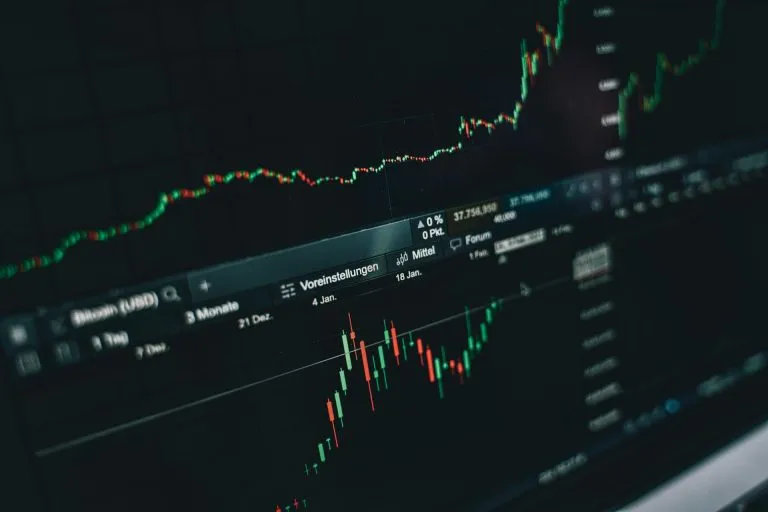
Short selling is a trading strategy that has garnered both fascination and controversy in the world of finance. While it offers the potential for profit in declining markets, it also carries significant risks and complexities. In this article, we will explore the mechanics of short selling, the inherent risks, and some of the most notable short squeezes in market history, providing a comprehensive understanding of this advanced trading technique.
The Mechanics of Short Selling
Short selling involves borrowing shares of a stock from a broker with the intention of selling them in the open market. The goal is to repurchase them later at a lower price, return the borrowed shares to the broker, and pocket the difference. Here’s a step-by-step breakdown of how short selling works:
- Borrowing Shares: The trader borrows shares from a brokerage, which typically holds these shares in margin accounts.
- Selling the Shares: Once the shares are borrowed, the trader sells them on the market at the current market price.
- Waiting for Price Decline: The trader waits for the stock price to decrease. If successful, they can then buy back the shares at this lower price.
- Repurchasing and Returning Shares: After the price drops, the trader buys back the same number of shares and returns them to the broker.
- Profit or Loss: The trader profits from the difference between the selling price and the repurchase price, minus any fees or interest charged by the broker for borrowing the shares.
Risks Associated with Short Selling
While short selling can be lucrative, it is fraught with risks that traders must carefully consider. Here are some of the key risks involved:
- Unlimited Loss Potential: Unlike traditional buying, where the maximum loss is the amount invested, short selling has theoretically unlimited loss potential. If the stock price rises significantly, the trader must buy back the shares at the higher price, leading to substantial losses.
- Margin Calls: Since short selling involves borrowing, traders must maintain a margin account. If the stock price rises, the broker may issue a margin call, requiring the trader to deposit more funds or close their position, potentially locking in losses.
- Market Risk: Short sellers are exposed to market volatility. Sudden price spikes or bullish market trends can lead to rapid losses, especially if the trader is unable to react quickly.
- Short Squeeze Risk: When a heavily shorted stock experiences a price increase, it can trigger a short squeeze, where short sellers rush to buy back shares to cover their positions, further driving up the price.
- Regulatory Risks: Regulatory changes can impact the ability to short sell. Rules regarding short selling can change rapidly, affecting market dynamics and potential profitability.
Famous Short Squeezes in Market History
Short squeezes are notable events in the stock market that illustrate the risks associated with short selling. Here are some of the most famous cases:
1. GameStop (2021)
The GameStop short squeeze became a cultural phenomenon and a symbol of retail investor power. In early 2021, GameStop was one of the most shorted stocks, with millions of shares sold short. A surge in buying by retail investors, driven by social media discussions, caused the stock price to skyrocket, forcing many short sellers to cover their positions at massive losses. This event highlighted the volatility and unpredictability of the stock market.
2. Volkswagen (2008)
In October 2008, Volkswagen experienced one of the most dramatic short squeezes in history. After a series of events led to a rapid increase in the stock price, short sellers who had heavily bet against Volkswagen were forced to buy shares to cover their positions. This buying frenzy pushed the stock price to an unprecedented level, temporarily making Volkswagen the world’s most valuable car manufacturer. The event underscored the risks of short selling in an unpredictable market.
3. Tesla (2020)
Tesla has been a battleground for short sellers for years, with many betting against the electric car manufacturer. In 2020, as Tesla’s stock price soared due to strong sales and positive market sentiment, short sellers faced significant losses. The stock’s rapid ascent prompted a short squeeze, resulting in billions of dollars in losses for those who had shorted it. Tesla's volatility continues to be a case study for both investors and analysts.
Conclusion
Short selling is a complex and high-risk trading strategy that can yield significant profits but also exposes traders to substantial losses. Understanding the mechanics and risks associated with short selling is crucial for anyone considering this approach. Additionally, the phenomenon of short squeezes serves as a cautionary tale, reminding investors of the unpredictable nature of the stock market. As always, thorough research and risk management are essential for success in any investment strategy.
Si quieres conocer otros artículos parecidos a Short Selling Explained: Risks, Mechanics, and Famous Market Short Squeezes puedes visitar la categoría Market Psychology & Advanced Analysis.
Related posts