
How to Conduct a Top-Down Fundamental Analysis for Stock Picking
Investing in the stock market can be an intricate process, especially when it comes to selecting the right stocks. One effective method for stock picking is top-down fundamental analysis. This approach allows investors to analyze the overall economy and industry trends before drilling down to specific companies. In this article, we will explore the steps involved in conducting a top-down fundamental analysis and provide you with the tools you need to make informed investment decisions.
Understanding Top-Down Analysis
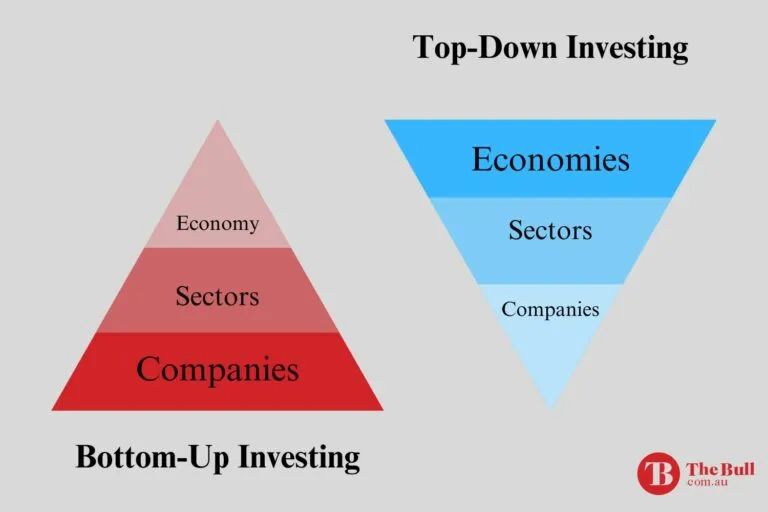
Top-down analysis begins with a broad view of the economy, gradually narrowing the focus to specific sectors and companies. This method contrasts with bottom-up analysis, which starts with individual stocks and evaluates them in isolation. By looking at macroeconomic factors first, investors can identify potential market opportunities and risks that may not be apparent when analyzing stocks individually.
The Steps in Top-Down Fundamental Analysis
Conducting a top-down fundamental analysis involves several key steps:
1. Analyze the Economic Environment
The first step is to assess the overall economic environment. Key indicators to consider include:
- Gross Domestic Product (GDP): Look at GDP growth rates to determine the health of the economy.
- Unemployment Rates: High unemployment can indicate economic weakness, while low rates may signal growth.
- Inflation Rates: Understand how inflation impacts purchasing power and corporate profits.
- Interest Rates: Monitor central bank policies and their effect on borrowing costs for consumers and businesses.
- Consumer Confidence: Gauge how optimistic consumers are about the economy, which can influence spending.
By analyzing these indicators, you can gain insights into the economic cycle, helping you determine whether it is a good time to invest.
2. Evaluate Market Trends
Once you have a grasp of the economic environment, the next step is to evaluate prevailing market trends. This involves looking at:
- Sector Performance: Identify which sectors are performing well and which are lagging behind.
- Market Sentiment: Understand how investor sentiment is shaping market trends, including bullish or bearish outlooks.
- Technological Innovations: Keep an eye on emerging technologies that could disrupt traditional industries.
- Regulatory Changes: Stay informed about government policies that may impact specific sectors.
Understanding these trends will help you identify sectors that are likely to outperform the market, setting the stage for more focused analysis.
3. Focus on Specific Sectors
After identifying promising sectors, it's time to narrow your focus further. Research specific industries within those sectors to find potential investments. Key considerations include:
- Industry Growth Rates: Look for industries that are experiencing above-average growth.
- Competitive Landscape: Assess the competitive dynamics within the industry, including major players and market share.
- Barriers to Entry: Consider how difficult it is for new companies to enter the industry, which can protect existing firms.
- Regulatory Environment: Be aware of any regulations that could impact industry profitability.
This step allows you to pinpoint industries that are not only performing well but also have strong potential for future growth.
4. Analyze Individual Companies
The final step in a top-down analysis is to evaluate individual companies within your chosen sectors. Key metrics to analyze include:
- Financial Statements: Examine income statements, balance sheets, and cash flow statements for insights into financial health.
- Earnings Growth: Look for companies with consistent earnings growth over time.
- Valuation Ratios: Use metrics such as Price-to-Earnings (P/E) and Price-to-Book (P/B) ratios to assess valuation.
- Management Quality: Evaluate the track record and reputation of company leadership.
- Dividend History: Consider companies that have a history of paying and increasing dividends, indicating stability.
By conducting a thorough analysis of individual companies, you can make informed decisions about which stocks to include in your portfolio.
Complementing Top-Down Analysis with Market Psychology
While top-down analysis focuses on fundamental factors, it's also essential to understand market psychology. Investor behavior can significantly impact stock prices and market trends. Be aware of:
- Herd Behavior: Recognize how crowd psychology can lead to market bubbles and crashes.
- Fear and Greed: Understand the emotional drivers that can influence market movements.
- Market Cycles: Familiarize yourself with how different phases of the market cycle can affect investor sentiment.
Incorporating an understanding of market psychology into your top-down analysis can enhance your ability to predict stock movements and make better investment choices.
Conclusion
Conducting a top-down fundamental analysis is a powerful approach for stock picking that allows investors to make informed decisions based on macroeconomic and industry trends. By following the outlined steps—analyzing the economic environment, evaluating market trends, focusing on specific sectors, and analyzing individual companies—you can uncover investment opportunities that align with your financial goals. Remember to complement your analysis with an understanding of market psychology to enhance your investment strategy. With diligence and patience, you can navigate the complexities of the stock market and make informed decisions that could lead to long-term success.
Si quieres conocer otros artículos parecidos a How to Conduct a Top-Down Fundamental Analysis for Stock Picking puedes visitar la categoría Market Psychology & Advanced Analysis.
Related posts