
The Ultimate Guide to Rebalancing Your Investment Portfolio Annually
Investing in the stock market can be a rewarding endeavor, but it requires a strategic approach to achieve long-term success. One essential practice that every investor should consider is rebalancing their investment portfolio annually. This guide will walk you through the importance of rebalancing, when to do it, how to approach it, and the benefits it provides to your investment strategy.
What is Portfolio Rebalancing?
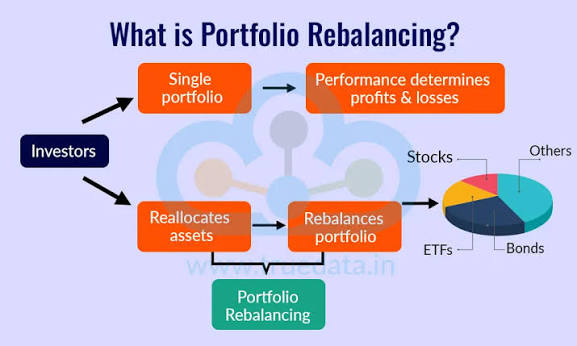
Portfolio rebalancing is the process of realigning the weightings of the assets in your investment portfolio. Over time, due to market fluctuations, the value of different investments can change, leading to an asset allocation that deviates from your original strategy. Rebalancing involves selling some assets and buying others to restore your desired allocation.
Why is Rebalancing Important?
Rebalancing is crucial for several reasons:
- Risk Management: Different asset classes come with varying levels of risk. Regularly rebalancing helps maintain your desired risk profile, preventing overexposure to any single asset class.
- Profit-Taking: By selling high-performing assets, you can lock in profits and reinvest in underperforming assets, which may have the potential for future growth.
- Discipline: Rebalancing forces you to stick to your investment strategy and avoid emotional decisions driven by market volatility.
- Long-Term Performance: Studies show that a disciplined rebalancing strategy can enhance overall returns over time.
When to Rebalance Your Portfolio
While annual rebalancing is a common strategy, there are several other triggers that can prompt you to reassess your portfolio:
- Time-Based Rebalancing: This approach involves setting a specific time frame, such as annually, semi-annually, or quarterly, to review and adjust your portfolio.
- Threshold-Based Rebalancing: You might choose to rebalance whenever an asset class deviates from your target allocation by a predetermined percentage (e.g., 5% or 10%).
- Life Changes: Significant life events, such as a new job, marriage, or retirement, may warrant a reevaluation of your investment goals and risk tolerance.
How to Rebalance Your Portfolio
Rebalancing your portfolio involves a few key steps:
1. Assess Your Current Asset Allocation
Begin by reviewing your current portfolio to determine the weight of each asset class (stocks, bonds, cash, etc.). Compare this with your target allocation to identify any significant deviations.
2. Determine Your Target Allocation
Your target allocation should reflect your investment goals, risk tolerance, and time horizon. For example, a younger investor may have a higher percentage of stocks for growth potential, while an older investor may prefer a more conservative approach with a greater allocation to bonds.
3. Make Adjustments
Based on your assessment, decide which assets to sell or buy. If an asset class has exceeded its target allocation, consider selling a portion of it. Conversely, if an asset class is underrepresented, allocate additional funds to it. Keep in mind transaction fees and tax implications when making these adjustments.
4. Monitor Regularly
After rebalancing, continue to monitor your portfolio regularly. This will help you stay on track and make adjustments as necessary, especially in response to significant market movements or changes in your personal circumstances.
Benefits of Annual Rebalancing
Adopting an annual rebalancing strategy offers numerous advantages:
- Enhanced Returns: By selling high and buying low, you can improve your overall investment returns.
- Increased Confidence: Regularly rebalancing gives you a structured approach to investing, instilling confidence in your strategy.
- Tax Efficiency: By being mindful of when you sell assets, you can potentially minimize capital gains taxes.
- Alignment with Goals: Rebalancing ensures that your portfolio remains aligned with your evolving financial goals and risk tolerance.
Common Mistakes to Avoid
While rebalancing is beneficial, it's essential to avoid common pitfalls:
- Ignoring Fees: Frequent trading can lead to increased transaction fees. Consider the costs associated with rebalancing.
- Emotional Decision-Making: Stick to your rebalancing plan rather than reacting to market fluctuations or news headlines.
- Overcomplicating the Process: Keep your rebalancing strategy straightforward. Complicated strategies can lead to confusion and mistakes.
Conclusion
Rebalancing your investment portfolio annually is a critical practice for maintaining your desired asset allocation and managing risk. By assessing your portfolio, determining your target allocation, and making strategic adjustments, you can enhance your investment performance over time. Remember to stay disciplined and avoid emotional decision-making to reap the full benefits of your rebalancing efforts. With a clear understanding of how to approach rebalancing, you’ll be better equipped to navigate the complexities of the stock market and work toward your financial goals.
Si quieres conocer otros artículos parecidos a The Ultimate Guide to Rebalancing Your Investment Portfolio Annually puedes visitar la categoría Stock Market & Investing Strategies.
Related posts