
What Is Sector Rotation and How to Use It in Stock Trading
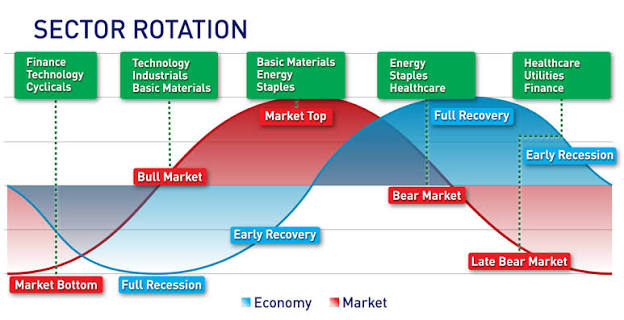
Investing in the stock market can be a daunting task, especially with the myriad of strategies available to traders. One such strategy that has gained traction among investors is sector rotation. This approach allows traders to capitalize on the cyclical nature of economic sectors, optimizing their portfolios by shifting investments based on market conditions. In this article, we will explore what sector rotation is, how it works, and effective strategies for implementing it in stock trading.
Understanding Sector Rotation
Sector rotation is an investment strategy that involves moving capital between different sectors of the economy to take advantage of the varying performance cycles of these sectors. The idea is rooted in the understanding that economic conditions tend to shift over time, affecting sectors differently. For instance, during periods of economic expansion, cyclical sectors like technology and consumer discretionary may outperform, while defensive sectors like utilities and healthcare may perform better during economic downturns.
The Economic Cycle and Sectors
To effectively utilize sector rotation, it’s essential to understand the phases of the economic cycle:
- Expansion: Characterized by increasing economic activity, rising employment, and higher consumer spending. Sectors like technology, consumer discretionary, and financials typically thrive during this phase.
- Peak: The economy reaches its maximum output, and growth starts to slow. While some sectors may still perform well, investors often begin to prepare for a downturn.
- Contraction: Economic activity declines, leading to reduced consumer spending and increased unemployment. Defensive sectors such as utilities, healthcare, and consumer staples tend to perform better during this phase.
- Trough: The economy hits its lowest point before recovery begins. Early recovery sectors may include financials and industrials as the economy begins to rebound.
How to Identify Sector Performance
To implement a sector rotation strategy, investors need to monitor and analyze sector performance. Here are some methods to identify which sectors are likely to outperform:
1. Economic Indicators
Keep an eye on key economic indicators such as GDP growth rates, unemployment rates, consumer confidence, and inflation. These indicators provide insights into the current phase of the economic cycle and can help investors predict which sectors may benefit or suffer in the near future.
2. Sector Performance Analysis
Regularly review sector performance data, often available through financial news outlets and market analysis platforms. Look for trends over various time frames—weekly, monthly, or quarterly—to identify which sectors are gaining or losing momentum.
3. Technical Analysis
Utilizing technical analysis can help traders identify entry and exit points for specific sectors. Patterns in price movements, trading volumes, and momentum indicators can signal when to rotate sectors effectively.
Implementing a Sector Rotation Strategy
Once you’ve identified the sectors to target, it’s time to implement your sector rotation strategy. Here are some practical steps to consider:
1. Establish a Watchlist
Create a watchlist of sectors and ETFs (Exchange-Traded Funds) that correspond to those sectors. ETFs provide an easy way to gain exposure to a particular sector without having to pick individual stocks.
2. Set Entry and Exit Criteria
Determine specific criteria for entering and exiting positions in different sectors. This could be based on technical indicators, economic data releases, or even fundamental analysis of the underlying companies within those sectors.
3. Diversify Your Portfolio
While sector rotation focuses on shifting investments between sectors, it’s vital to maintain a diversified portfolio. This strategy helps mitigate risk, particularly in volatile market conditions.
4. Stay Informed
Continuously educate yourself about market trends, economic news, and sector-specific developments. Staying informed will help you make timely decisions about when to rotate sectors.
Risks and Considerations
While sector rotation can enhance investment returns, it’s essential to recognize the associated risks. Some considerations include:
- Market Timing: Successfully timing the market is challenging. Rotating sectors too early or too late can lead to missed opportunities or losses.
- Overtrading: Frequent trading can lead to increased transaction costs and tax implications, which may erode returns.
- Economic Uncertainty: Sudden economic changes, such as geopolitical events or natural disasters, can disrupt sector performance predictions.
Conclusion
Sector rotation can be a powerful strategy for investors looking to capitalize on the cyclical nature of the economy. By understanding the economic cycle, closely monitoring sector performance, and implementing a disciplined approach, traders can enhance their chances of achieving their investment goals. However, it’s crucial to remain vigilant about the risks involved and continually educate yourself to adapt to changing market conditions. With careful planning and execution, sector rotation can be an effective tool in your stock trading arsenal.
Si quieres conocer otros artículos parecidos a What Is Sector Rotation and How to Use It in Stock Trading puedes visitar la categoría Stock Market & Investing Strategies.
Related posts