
Analyzing Trade Deficits and Tariffs: Winners and Losers in the Stock Market
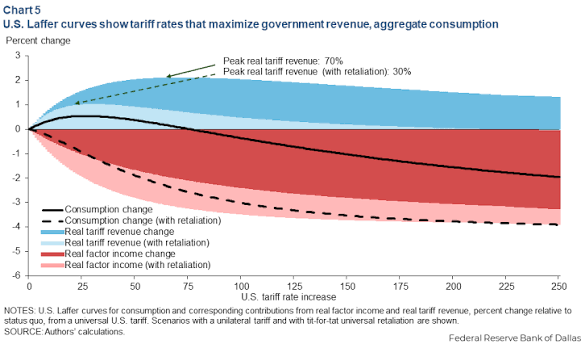
The dynamics of trade deficits and tariffs play a significant role in shaping the economic landscape and can have profound effects on the stock market. Understanding how these economic elements function can help investors make informed decisions. In this article, we will analyze trade deficits, the imposition of tariffs, and their implications for various sectors of the stock market, identifying potential winners and losers in the process.
Understanding Trade Deficits
A trade deficit occurs when a country imports more goods and services than it exports. This imbalance can signal economic strength in one sense, as it may indicate robust consumer demand and a thriving economy. However, persistent trade deficits can lead to concerns about economic sustainability, influencing currency value and investor confidence.
Causes of Trade Deficits
Several factors contribute to trade deficits, including:
- Consumer Demand: High consumer demand for foreign goods can lead to increased imports.
- Currency Strength: A strong currency makes imports cheaper and exports more expensive.
- Economic Conditions: Economic growth can lead to higher imports as businesses and consumers seek goods to meet demand.
Impacts on the Stock Market
Trade deficits can create mixed signals in the stock market. While some sectors may benefit from increased imports, others may suffer as domestic producers face heightened competition. For example, consumer goods companies might see a boost in stock prices due to increased sales, while manufacturing firms may struggle, leading to potential declines in stock value.
The Role of Tariffs
Tariffs are taxes imposed on imported goods, typically aimed at protecting domestic industries and reducing trade deficits. While tariffs can provide short-term benefits to specific sectors, their long-term effects can be complex and varied.
Types of Tariffs
There are several types of tariffs, each serving different purposes:
- Protective Tariffs: Designed to shield domestic industries from foreign competition by making imported goods more expensive.
- Revenue Tariffs: Intended primarily to generate revenue for the government rather than to protect domestic industries.
- Retaliatory Tariffs: Imposed in response to tariffs from other countries, often leading to trade disputes.
Short-Term Benefits of Tariffs
In the short term, tariffs can benefit certain sectors by:
- Protecting Jobs: By making imported goods more expensive, tariffs can help preserve jobs in domestic industries.
- Encouraging Domestic Production: Tariffs may incentivize consumers to purchase domestic products over imports, boosting local manufacturers.
Winners and Losers in the Stock Market
The imposition of tariffs and the existence of trade deficits create distinct winners and losers in the stock market. Identifying these groups can be crucial for investors looking to navigate this complex landscape.
Winners
Some sectors and companies may benefit from tariffs and trade deficits, including:
- Domestic Manufacturers: Companies that produce goods locally may see increased sales as consumers turn away from pricier imports.
- Export-Oriented Companies: Firms that rely on exports may benefit from a weaker currency resulting from trade deficits, making their products cheaper abroad.
- Commodity Producers: Industries like agriculture may benefit from tariffs on imported food products, leading to increased demand for domestically produced goods.
Losers
Conversely, certain sectors may face challenges due to tariffs and trade deficits:
- Import-Dependent Companies: Businesses that rely heavily on imported components or raw materials may see increased costs, affecting their profitability.
- Consumers: Higher tariffs can lead to increased prices for goods, impacting consumer spending and overall economic growth.
- Global Supply Chains: Companies with international supply chains may face disruptions and increased costs due to tariffs, leading to lower stock prices.
Long-Term Considerations
While tariffs may provide short-term relief for some sectors, the long-term effects can be more complex. Over time, tariffs can lead to trade wars, reduced economic growth, and strained relationships between countries. Investors should consider these factors when assessing the potential impact of tariffs and trade deficits on their portfolios.
Conclusion
Trade deficits and tariffs are integral components of the macroeconomic landscape, influencing various sectors of the stock market. While certain companies and industries may thrive under protective measures, others may struggle under increased costs and competition. As an investor, understanding the implications of these economic factors can help you make more informed decisions and navigate the ever-evolving stock market landscape. Keeping an eye on trade policies, domestic production trends, and global economic conditions will be essential for any savvy investor looking to optimize their portfolio in the wake of changing economic tides.
Si quieres conocer otros artículos parecidos a Analyzing Trade Deficits and Tariffs: Winners and Losers in the Stock Market puedes visitar la categoría Macroeconomics & Federal Reserve Policy.
Related posts