
The Impact of Manufacturing PMI Data on Industrial and Tech Stocks
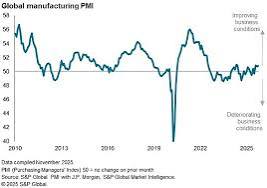
The Purchasing Managers' Index (PMI) is a key economic indicator that reflects the health of the manufacturing sector in an economy. By providing insights into production levels, new orders, and employment trends, the PMI can significantly influence investor sentiment and stock market performance, particularly in the industrial and technology sectors. In this article, we will explore how manufacturing PMI data impacts industrial and tech stocks, the relationship between PMI and economic growth, and strategies for investors to consider when interpreting this vital economic metric.
Understanding Manufacturing PMI
The Manufacturing PMI is derived from a monthly survey of purchasing managers in the manufacturing sector. The index ranges from 0 to 100, with a reading above 50 indicating expansion and below 50 indicating contraction. Key components of the PMI include:
- New Orders: Reflects demand for manufacturing products.
- Production: Measures the output of goods.
- Employment: Indicates hiring trends within the sector.
- Supplier Deliveries: Assesses the speed of delivery from suppliers.
- Inventories: Tracks levels of stored goods.
These components provide valuable insights into the economic landscape, allowing investors to gauge the overall health of the manufacturing sector and anticipate future trends. This data is particularly relevant to industrial and tech stocks, which often depend on manufacturing performance.
The Correlation Between PMI and Stock Performance
The correlation between PMI data and stock performance can be attributed to several factors:
1. Economic Growth Indicators
The PMI is a leading indicator of economic activity. When the PMI is above 50, it usually signals economic expansion, which tends to boost investor confidence. A healthy manufacturing sector suggests that businesses are producing goods efficiently, which can lead to higher profits and, consequently, higher stock prices in industrial and tech companies.
2. Market Sentiment
Investor sentiment often hinges on macroeconomic data such as the PMI. Positive PMI reports can lead to a bullish market, driving stock prices up, while negative reports can incite fear and lead to sell-offs. This sentiment is especially pronounced in the industrial sector, where companies are directly tied to production levels and supply chain dynamics.
3. Supply Chain Dynamics
Manufacturing PMI data sheds light on supply chain conditions. For instance, if the PMI indicates longer supplier delivery times, it may signal supply chain disruptions, which can affect production schedules and, ultimately, revenue for industrial and tech firms. Investors closely monitor these developments, as disruptions can lead to volatility in stock prices.
The Impact on Industrial Stocks
Industrial stocks are particularly sensitive to changes in the manufacturing environment. Companies in sectors such as construction, machinery, and transportation often rely heavily on the health of the manufacturing sector. When the PMI indicates growth:
- Investors may see increased demand for raw materials and machinery, leading to higher stock prices in related companies.
- Strong PMI data often correlates with job growth in the manufacturing sector, which can bolster consumer spending and stimulate further economic growth.
- Positive sentiment around manufacturing can lead to increased capital expenditures by companies, driving demand for industrial products.
Conversely, a decline in PMI may signal challenges for industrial stocks, such as reduced orders and potential layoffs, leading to downward pressure on stock prices.
The Impact on Tech Stocks
The technology sector, while often perceived as somewhat insulated from traditional manufacturing metrics, is also affected by PMI data. Several factors contribute to this relationship:
- Supply Chain Dependencies: Many tech companies rely on components manufactured in industrial settings. Fluctuations in PMI can impact the availability and cost of these components.
- Investment in Technology: A growing manufacturing sector often leads to increased investment in technology for automation and efficiency, benefiting tech companies that provide these solutions.
- Consumer Demand: A robust manufacturing environment can lead to higher disposable income for consumers, driving demand for tech products and services.
As a result, tech stocks may experience upward momentum following positive PMI reports, while negative reports can dampen investor enthusiasm.
Investor Strategies for PMI Data
Investors can leverage PMI data to make informed decisions regarding industrial and tech stocks. Here are some strategies to consider:
- Monitor PMI Releases: Pay attention to monthly PMI reports and analyze trends over time. Consistent readings above 50 can indicate a stable growth environment.
- Diversify Portfolios: Consider diversifying investments across sectors to mitigate risks associated with fluctuations in manufacturing data.
- Use PMI as a Leading Indicator: Use PMI data as a leading indicator for economic cycles. An increase in PMI may suggest a good time to invest, while a decrease could warrant caution.
- Stay Informed on Global Events: Global events, such as trade agreements or geopolitical tensions, can impact PMI readings and stock performance. Staying informed can help investors anticipate market movements.
Conclusion
The Manufacturing PMI is a crucial economic indicator that can significantly impact industrial and tech stocks. By understanding the relationship between PMI data and market performance, investors can make more informed decisions. Monitoring PMI reports and recognizing the implications for both sectors can provide valuable insights into stock performance and overall market trends. As global economic conditions evolve, staying abreast of PMI data will remain essential for investors aiming to navigate the complexities of the stock market effectively.
Si quieres conocer otros artículos parecidos a The Impact of Manufacturing PMI Data on Industrial and Tech Stocks puedes visitar la categoría Macroeconomics & Federal Reserve Policy.
Related posts