
The Economics of Housing Market Bubbles and Stock Market Correlations
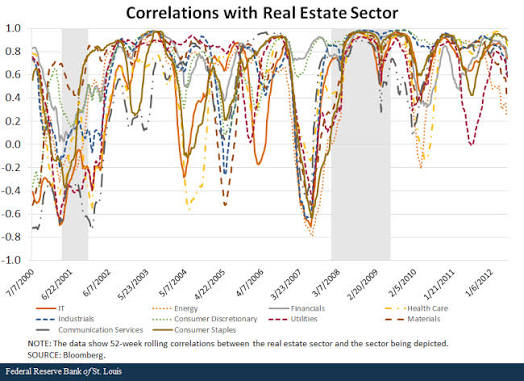
The housing market and stock market are two of the most closely watched indicators of economic health. While they are distinct entities, their dynamics are often interlinked, leading to significant implications for investors, policymakers, and the broader economy. Understanding the economics behind housing market bubbles and their correlation with stock market performance can provide valuable insights into market behavior, risks, and opportunities.
Understanding Housing Market Bubbles
A housing market bubble occurs when property prices inflate beyond their intrinsic value, driven by excessive demand, speculation, and easy access to credit. Several factors contribute to the formation of such bubbles:
- Low Interest Rates: When the Federal Reserve reduces interest rates, borrowing becomes cheaper, encouraging more people to take out mortgages. This increased demand can lead to rapid price appreciation.
- Speculative Investment: Investors may purchase homes not for personal use but as speculative assets, anticipating future price increases. This speculation can create a feedback loop that further inflates prices.
- Limited Supply: In regions where housing supply is constrained by zoning laws, geographical limitations, or other factors, even a modest increase in demand can lead to significant price hikes.
The Lifecycle of a Housing Bubble
Housing bubbles typically follow a recognizable lifecycle:
- Expansion: During this phase, prices begin to rise as demand outstrips supply. Optimism about the housing market grows, leading more people to invest.
- Peak: At this stage, prices reach unsustainable levels. Speculation is rampant, and many buyers enter the market, often ignoring fundamental economic indicators.
- Contraction: Eventually, the bubble bursts. Prices begin to decline as demand weakens, often triggered by rising interest rates or economic downturns.
- Trough: Prices hit their lowest point, often leading to significant financial distress for homeowners and investors alike.
Correlation Between Housing Market Bubbles and Stock Market Performance
The relationship between the housing market and stock market is complex and multifaceted. Historically, there have been periods where these markets move in tandem and times when they diverge significantly. Some key aspects of their correlation include:
Wealth Effect
The ""wealth effect"" refers to the phenomenon where increases in asset prices, such as homes and stocks, lead to increased consumer spending. When homeowners see their property values rise, they often feel wealthier and may increase their spending on goods and services, which can positively impact the stock market. Conversely, when housing values drop, consumer confidence can wane, leading to reduced spending and a potential decline in stock prices.
Investment Alternatives
Investors often view housing and stocks as alternative investment options. When one market becomes overheated, investors may shift their focus to the other. For example, during a housing bubble, investors might pour money into real estate, leading to inflated prices. If the bubble bursts, those same investors may seek refuge in the stock market, potentially driving stock prices up as they look for safer investment opportunities.
Economic Indicators
The health of the housing market is often seen as a leading economic indicator. A strong housing market can signal robust economic growth, leading to increased investor confidence in the stock market. On the other hand, when the housing market shows signs of distress, it can foreshadow broader economic challenges, which may negatively impact stock prices.
Implications for Policymakers and Investors
Understanding the interplay between housing market bubbles and stock market dynamics is crucial for both policymakers and investors. Here are some implications:
- Policy Interventions: Policymakers must monitor housing market conditions closely as they formulate monetary policy. Measures such as adjusting interest rates can help prevent housing bubbles from forming or mitigate their impact when they burst.
- Diversification Strategies: Investors should consider diversifying their portfolios to hedge against the risks associated with either market. A balanced approach can help mitigate potential losses during downturns.
- Market Analysis: Investors should conduct thorough analyses of both the housing and stock markets before making investment decisions. Understanding the underlying economic indicators can provide valuable insights into market trends.
Conclusion
The economics of housing market bubbles and their correlation with stock market performance highlight the interconnectedness of these two vital sectors. As housing prices become increasingly influenced by economic policies and investor behavior, the implications for both markets can be profound. By understanding the cyclical nature of housing markets and their relationship with stock performance, investors and policymakers can make informed decisions that promote economic stability and growth.
Si quieres conocer otros artículos parecidos a The Economics of Housing Market Bubbles and Stock Market Correlations puedes visitar la categoría Macroeconomics & Federal Reserve Policy.
Related posts