
How Bank Failures and Liquidity Crunches Ripple Through Financial Markets
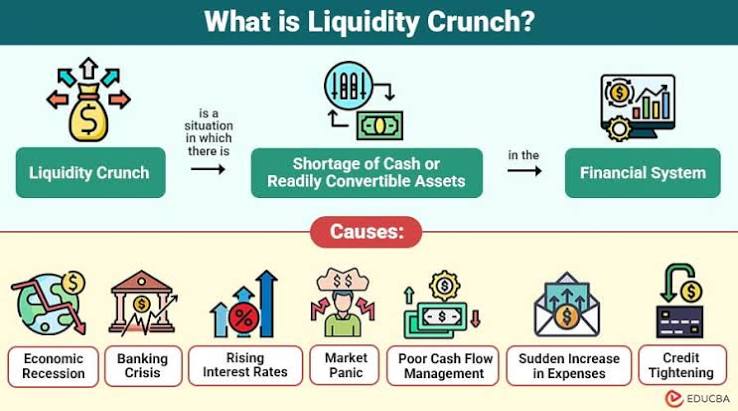
The interconnectedness of financial institutions and markets means that a single event, such as a bank failure or a liquidity crunch, can have far-reaching effects across the economy. Understanding how these events impact financial markets is crucial for investors, policymakers, and anyone interested in macroeconomics. In this article, we will explore the mechanisms through which bank failures and liquidity issues can ripple through financial systems, their implications for market stability, and the response from the Federal Reserve and other regulatory bodies.
Understanding Bank Failures
A bank failure occurs when a financial institution becomes insolvent and is unable to meet its obligations to depositors and creditors. The causes of bank failures are varied and can include poor management, excessive risk-taking, or external economic factors such as recessions. When a bank fails, it can create a cascade of events affecting the broader financial system.
The Immediate Impact of Bank Failures
When a bank fails, the immediate impact is often felt in the following ways:
- Loss of Depositor Confidence: Bank failures can lead to a loss of confidence among depositors, prompting withdrawals from other banks. This can create a liquidity crunch, where banks struggle to meet their short-term obligations.
- Credit Crunch: As banks become wary of lending due to increased risk perceptions, access to credit can diminish, impacting businesses and consumers alike.
- Market Volatility: Investors often react to bank failures by selling off financial assets, causing increased volatility in stock and bond markets.
The Role of Liquidity in Financial Markets
Liquidity refers to the ease with which assets can be bought or sold in the market without affecting their price. A liquidity crunch occurs when there is a sudden shortage of cash or liquid assets in the financial system, often triggered by external shocks, such as bank failures or economic downturns.
How Liquidity Crunches Affect Financial Markets
Liquidity crunches can have profound implications for financial markets, including:
- Asset Price Declines: When liquidity is tight, investors may be forced to sell assets quickly to raise cash, leading to a decline in asset prices across the board.
- Increased Borrowing Costs: A lack of available funds can drive up interest rates as lenders become more cautious. This can lead to higher borrowing costs for businesses and consumers, stifling economic growth.
- Systemic Risk: Liquidity issues can create a feedback loop, where declining asset prices lead to further losses for banks, increasing the risk of additional failures.
The Federal Reserve's Response
The Federal Reserve plays a critical role in stabilizing financial markets during times of crisis. When faced with bank failures and liquidity crunches, the Fed has several tools at its disposal:
- Lowering Interest Rates: By reducing the federal funds rate, the Fed can encourage borrowing and spending, helping to stimulate the economy and restore liquidity.
- Open Market Operations: The Fed can purchase government securities to inject cash into the banking system, easing liquidity constraints.
- Emergency Lending Facilities: The Fed can establish special lending programs to provide liquidity to banks and other financial institutions facing short-term pressures.
Case Studies of Bank Failures and Market Reactions
History provides several examples of bank failures leading to broader market disruptions. The 2008 financial crisis, for instance, was precipitated by the collapse of major financial institutions that had engaged in risky lending practices. The subsequent liquidity crunch resulted in widespread panic in the stock market, leading to significant declines in asset prices and a severe economic downturn.
Another example includes the bank failures during the Great Depression, which severely hampered the economy and resulted in a protracted period of financial instability. In both cases, the Federal Reserve's response was critical in restoring confidence and stabilizing the financial system.
Long-Term Implications for Financial Markets
The ripple effects of bank failures and liquidity crunches can have long-lasting implications for financial markets. Some of the potential long-term effects include:
- Regulatory Changes: Major bank failures often lead to increased regulatory scrutiny and changes in banking practices to prevent future crises.
- Market Sentiment: The memory of past failures can lead to more conservative investment strategies, as market participants become more risk-averse.
- Structural Changes: Liquidity crises can prompt shifts in how financial markets operate, including the emergence of new financial products designed to mitigate risk.
Conclusion
Bank failures and liquidity crunches are critical events that can trigger significant disruptions in financial markets. The interconnected nature of financial institutions means that the ramifications of these events can be felt across the economy. Understanding these dynamics is essential for investors and policymakers alike. The Federal Reserve's role in mitigating these impacts through monetary policy and emergency measures is crucial in maintaining market stability. As history has shown, proactive measures can help prevent a crisis from escalating and ensure a more resilient economic environment.
Si quieres conocer otros artículos parecidos a How Bank Failures and Liquidity Crunches Ripple Through Financial Markets puedes visitar la categoría Macroeconomics & Federal Reserve Policy.
Related posts