
How Central Bank Digital Currencies (CBDCs) Could Change Global Banking
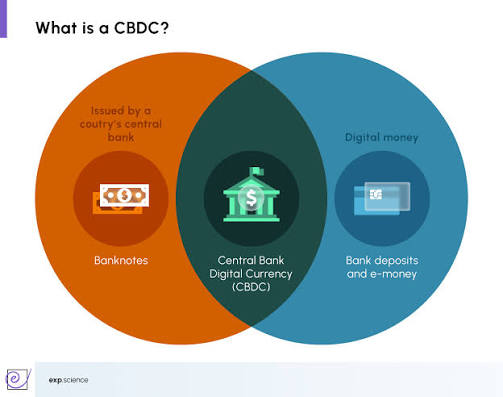
The rise of digital currencies has sparked significant discussions among economists, policymakers, and financial institutions alike. Central Bank Digital Currencies (CBDCs) are at the forefront of this transformation, offering a new approach to money that could reshape the landscape of global banking. This article explores how CBDCs function, their potential benefits and risks, and what their widespread adoption could mean for the future of banking and finance.
Understanding Central Bank Digital Currencies
CBDCs are digital forms of fiat currency issued and regulated by a country's central bank. Unlike cryptocurrencies such as Bitcoin, which operate on decentralized networks, CBDCs are centralized and backed by the government. This makes them a more stable and secure option for consumers and businesses alike.
There are primarily two types of CBDCs: retail and wholesale. Retail CBDCs are designed for everyday consumer transactions, while wholesale CBDCs are intended for use between financial institutions. Both types aim to enhance the efficiency of the payment system and provide a safer alternative to cash and private digital currencies.
The Potential Benefits of CBDCs
The implementation of CBDCs could offer several advantages to the global banking system:
- Improved Payment Efficiency: CBDCs can facilitate faster and cheaper transactions, reducing the time it takes for payments to settle. This is particularly important in cross-border transactions, where traditional banking systems can be slow and costly.
- Financial Inclusion: By providing access to digital currencies through mobile devices, CBDCs can help unbanked populations participate in the financial system, promoting economic growth and stability.
- Reduced Transaction Costs: CBDCs can potentially lower the costs associated with currency production, distribution, and maintenance, benefiting consumers and businesses alike.
- Enhanced Monetary Policy Implementation: Central banks could use CBDCs to implement monetary policy more effectively, allowing for real-time tracking of money supply and demand.
- Increased Security: CBDCs can reduce the risks associated with cash handling and enhance transaction security, as digital currencies are less prone to theft and fraud.
Challenges and Risks of CBDCs
Despite their potential benefits, CBDCs also present several challenges and risks that need to be carefully considered:
- Privacy Concerns: The centralization of CBDCs raises questions about user privacy. Governments could potentially track every transaction, leading to concerns about surveillance and data security.
- Disruption of Traditional Banking: The introduction of CBDCs could disrupt existing financial institutions, as consumers might prefer to hold digital currencies directly with central banks rather than in traditional bank accounts.
- Cybersecurity Threats: As digital currencies become more prevalent, they may become attractive targets for cybercriminals. Ensuring robust security measures will be crucial for protecting user funds and data.
- Regulatory Challenges: The implementation of CBDCs will require new regulatory frameworks and guidelines to address issues such as anti-money laundering (AML) and combating the financing of terrorism (CFT).
- Economic Impact: The introduction of CBDCs could have unforeseen effects on interest rates, credit availability, and overall economic stability, necessitating careful analysis and monitoring.
The Global Landscape of CBDCs
As of now, many countries are exploring or piloting CBDCs, each with its unique approach and objectives. For instance, China has been at the forefront of CBDC development with its Digital Currency Electronic Payment (DCEP) initiative, while countries like Sweden and the Bahamas have also made significant progress in this area.
The global interest in CBDCs reflects a growing recognition of the need for modernized payment systems that can support the evolving needs of consumers and businesses. International cooperation and dialogue will be essential to address cross-border challenges and establish standards for CBDC interoperability.
Conclusion
Central Bank Digital Currencies have the potential to revolutionize global banking by enhancing payment efficiency, promoting financial inclusion, and providing a secure alternative to traditional currencies. However, the transition to a digital currency landscape must be approached with caution, addressing the risks and challenges that accompany such a significant shift. As central banks around the world continue to explore CBDCs, it will be crucial to strike a balance between innovation and the protection of consumers and the financial system. The future of banking may very well hinge on how effectively these challenges are navigated.
Si quieres conocer otros artículos parecidos a How Central Bank Digital Currencies (CBDCs) Could Change Global Banking puedes visitar la categoría Macroeconomics & Federal Reserve Policy.
Related posts