
Gross Domestic Product (GDP) Growth: How to Interpret Economic Releases
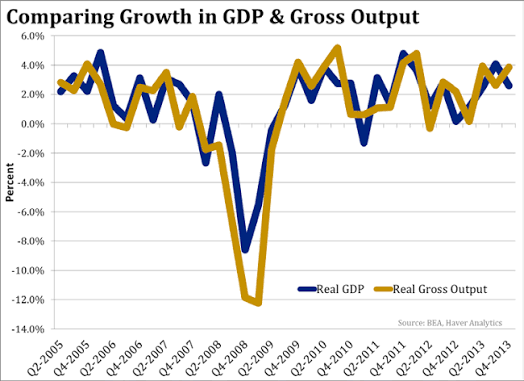
Understanding Gross Domestic Product (GDP) growth is crucial for anyone interested in economics and the stock market. GDP serves as a key indicator of a country's economic health, influencing everything from government policy to individual investment decisions. In this article, we will explore what GDP growth means, how to interpret economic releases, and the implications for the broader economy and financial markets.
What is GDP?
Gross Domestic Product (GDP) is the total monetary value of all goods and services produced within a country's borders in a specific time period. It is often used as a primary measure of a nation's economic performance. GDP can be calculated using three different approaches:
- Production Approach: This method measures the total output of goods and services, subtracting the value of intermediate goods used in production.
- Income Approach: This approach calculates GDP by adding up all incomes earned by individuals and businesses in the economy, including wages, profits, rents, and taxes.
- Expenditure Approach: The most common method, this calculates GDP by summing all expenditures made in the economy, including consumer spending, business investments, government spending, and net exports (exports minus imports).
Understanding GDP Growth
GDP growth refers to the increase in a country's GDP over a specific period, typically measured quarterly or annually. A positive GDP growth rate indicates a healthy and expanding economy, while a negative rate can signal economic contraction. GDP growth is usually expressed as a percentage, comparing the current GDP to the GDP from a previous period.
Economists often differentiate between nominal GDP growth and real GDP growth. Nominal GDP growth measures the value of goods and services at current market prices, while real GDP growth adjusts for inflation, providing a more accurate picture of economic progress. Understanding these distinctions is essential for interpreting economic data effectively.
Interpreting GDP Releases
When GDP data is released, it can significantly impact financial markets, investor sentiment, and economic policy. Here are several key factors to consider when interpreting GDP releases:
1. Growth Rate Comparisons
When examining GDP growth, it is essential to compare the current rate with historical data and forecasts. A growth rate that exceeds expectations can lead to positive market reactions, while a rate that falls short can trigger sell-offs. Additionally, understanding the context—such as previous growth trends and economic cycles—can provide deeper insights into the data.
2. Components of GDP
Breaking down GDP into its components can reveal underlying trends that may not be apparent from the overall growth rate alone. The four main components are:
- Consumer Spending: Often the largest component, changes in consumer spending indicate the health of households and can forecast future economic activity.
- Business Investment: Investment by businesses in equipment, structures, and intellectual property is critical for long-term growth.
- Government Spending: Government expenditures on public services can stimulate economic activity, particularly during downturns.
- Net Exports: The balance between exports and imports affects GDP; a positive net export figure can bolster growth, while a trade deficit can dampen it.
3. Inflation Adjustments
As mentioned earlier, real GDP growth accounts for inflation, making it a more reliable indicator of economic performance. Analysts often look at both nominal and real GDP figures to assess how inflation impacts growth. High nominal growth with low real growth could suggest that the economy is simply inflating rather than genuinely expanding.
4. Economic Context
The broader economic context plays a critical role in interpreting GDP growth. Events such as geopolitical tensions, fiscal policy changes, and global economic conditions can all influence growth rates. For instance, an economy may experience strong GDP growth while grappling with inflation or rising unemployment, which could lead to different economic implications.
5. Market Reactions
Financial markets closely monitor GDP releases, as they can influence monetary policy decisions by the Federal Reserve. Strong GDP growth may prompt the Fed to raise interest rates to control inflation, while weak growth could lead to rate cuts to stimulate the economy. Investors should pay attention to market reactions following GDP releases, as they often reflect expectations for future monetary policy.
Implications for the Stock Market
The stock market can be significantly affected by GDP growth data. Here's how:
- Sector Performance: Certain sectors may outperform others depending on GDP growth trends. For example, consumer discretionary stocks may thrive during periods of strong growth, while defensive stocks may perform better during slowdowns.
- Investor Sentiment: Positive GDP data can boost investor confidence, leading to increased buying activity. Conversely, disappointing data may trigger selling and increased volatility.
- Long-term Trends: Sustained GDP growth can lead to bullish market trends, while prolonged periods of stagnation or negative growth can result in bear markets.
Conclusion
Gross Domestic Product growth is a vital economic indicator that provides insights into the health of an economy. By understanding how to interpret GDP releases, investors and policymakers can make more informed decisions. It's essential to consider growth rates in context, analyze the components of GDP, and stay attuned to the broader economic landscape. Whether you're an investor or simply interested in economics, keeping an eye on GDP growth can help you navigate the complexities of the stock market and the economy effectively.
Si quieres conocer otros artículos parecidos a Gross Domestic Product (GDP) Growth: How to Interpret Economic Releases puedes visitar la categoría Macroeconomics & Federal Reserve Policy.
Related posts