
The Impact of US Employment Reports and Non-Farm Payrolls on Stocks
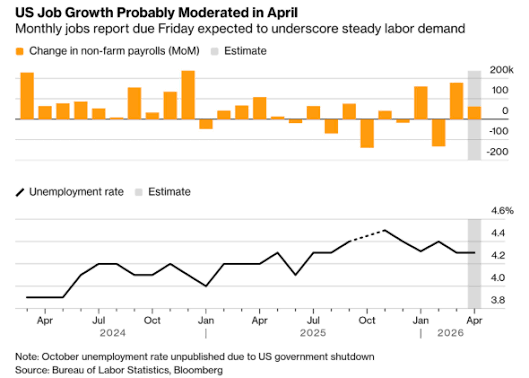
The U.S. employment reports and Non-Farm Payrolls (NFP) data are crucial indicators that shape economic policy and influence stock market performance. Investors, analysts, and policymakers closely monitor these reports to gauge the health of the economy. Understanding the relationship between employment data and stock movements can offer valuable insights into investment strategies and market trends. This article delves into how employment reports and NFP figures affect stock prices and what investors should consider when interpreting these data points.
Understanding Employment Reports and Non-Farm Payrolls
The employment report, released monthly by the Bureau of Labor Statistics (BLS), includes a wealth of information regarding the labor market. Among its key components is the Non-Farm Payrolls figure, which reflects the number of jobs added or lost in the economy, excluding farm workers, government employees, and a few other job categories. This report also covers the unemployment rate, average hourly earnings, and the labor force participation rate, providing a comprehensive overview of employment trends.
The Significance of Non-Farm Payrolls
Non-Farm Payrolls serve as a leading indicator of economic health. Consistent job growth suggests a robust economy, driving consumer spending and business investment. Conversely, a decline in NFP figures can signal economic slowdown, leading to reduced consumer confidence and spending. Consequently, stock prices tend to react strongly to NFP reports:
- Positive NFP Data: When the NFP report reveals strong job growth, it often leads to bullish market sentiment. Investors interpret this as a sign of economic strength, which can drive stock prices up.
- Negative NFP Data: Conversely, disappointing NFP figures may cause stocks to fall, as investors worry about potential economic downturns and reduced corporate profits.
The Relationship Between Employment Reports and Federal Reserve Policy
The Federal Reserve closely monitors employment reports as part of its dual mandate to promote maximum employment and stable prices. The Fed's policy decisions, particularly regarding interest rates, are influenced by labor market conditions. Here’s how this relationship plays out:
Interest Rates and Market Reactions
When employment data indicates a strong job market, the Federal Reserve may consider raising interest rates to control inflation. Higher interest rates can lead to increased borrowing costs for consumers and businesses, which can dampen economic growth and negatively affect stock prices. On the other hand, weak employment numbers may lead the Fed to lower interest rates or maintain a dovish stance, supporting economic growth and potentially boosting stock prices.
- Rate Hikes: If the Fed raises rates in response to strong employment data, investors may anticipate slowing economic growth, leading to stock sell-offs.
- Rate Cuts: Conversely, if the Fed lowers rates in response to weak employment data, it may encourage investment in stocks, as lower borrowing costs can stimulate economic activity.
Market Sentiment and Volatility
The release of employment reports often leads to increased market volatility. Traders and investors react quickly to the data, sometimes leading to exaggerated market swings. Here are some factors that contribute to this volatility:
Expectations vs. Reality
Markets operate on expectations. If analysts predict robust job growth but the actual NFP figures fall short, the market may react negatively, even if the numbers are still relatively strong. This phenomenon highlights the importance of market sentiment and the psychological aspects of trading.
Sector-Specific Impacts
Different sectors may react differently to employment reports. For example:
- Consumer Discretionary: Positive employment data may boost consumer spending, positively impacting companies in retail and hospitality.
- Financials: Banks may benefit from rising interest rates following strong job growth, while lower rates could squeeze their profit margins.
Strategies for Investors
Given the potential impact of employment reports and NFP data on stock prices, investors can adopt several strategies to navigate these market movements:
Stay Informed
Keeping abreast of economic indicators, including employment reports, can provide valuable context for investment decisions. Understanding the broader economic landscape can help investors make informed choices.
Focus on Long-Term Trends
While short-term fluctuations can be alarming, it’s essential to maintain a long-term perspective. Evaluating the overall trend of employment data can provide insights into the economy's direction, allowing investors to make more strategic decisions.
Diversification
Investing across various sectors can help mitigate risks associated with volatility. A diversified portfolio can cushion against losses in specific sectors that may be adversely affected by employment reports.
Conclusion
The impact of U.S. employment reports and Non-Farm Payrolls on stocks is profound and multifaceted. These reports provide essential insights into the labor market, influencing economic policy and investor sentiment. By understanding the correlation between employment data, Federal Reserve policy, and market behavior, investors can better navigate the complexities of the stock market. Staying informed, focusing on long-term trends, and maintaining a diversified portfolio can help investors capitalize on opportunities while managing risks in a dynamic economic environment.
Si quieres conocer otros artículos parecidos a The Impact of US Employment Reports and Non-Farm Payrolls on Stocks puedes visitar la categoría Macroeconomics & Federal Reserve Policy.
Related posts