
How Federal Reserve Interest Rate Cuts Impact the Stock Market
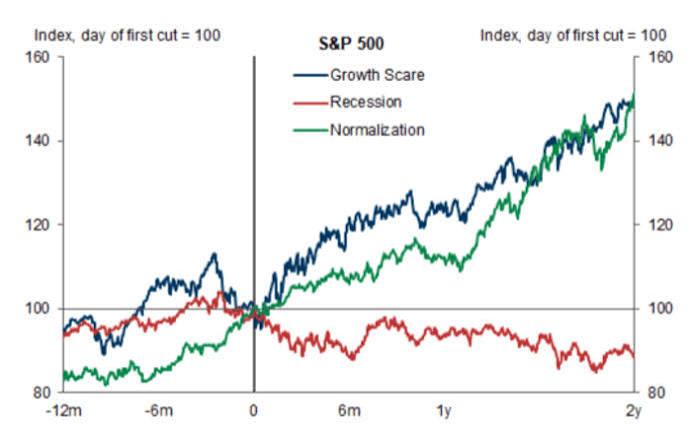
The Federal Reserve (often referred to as the Fed) plays a crucial role in shaping the economic landscape of the United States. One of its primary tools for influencing economic activity is the manipulation of interest rates. When the Fed decides to cut interest rates, it sends ripples through various sectors of the economy, particularly the stock market. Understanding how these cuts affect the stock market is essential for investors, analysts, and anyone interested in macroeconomic trends. In this article, we will explore the mechanisms behind interest rate cuts, their implications for the stock market, and what investors should consider in response.
Understanding Interest Rate Cuts
Interest rate cuts occur when the Federal Reserve lowers the federal funds rate, which is the interest rate at which banks lend to one another overnight. The Fed typically lowers rates to stimulate economic growth during periods of slow economic activity or recession. By making borrowing cheaper, the Fed aims to encourage spending by consumers and businesses, thereby promoting investment and economic expansion.
Mechanism of Rate Cuts
When the Fed cuts interest rates, several mechanisms come into play:
- Lower Borrowing Costs: Reduced rates mean that loans for homes, cars, and businesses become more affordable, leading to increased consumer spending and business investments.
- Increased Liquidity: Lower rates can enhance liquidity in financial markets, as banks have more capital to lend, which can lead to higher levels of investment in stocks and other assets.
- Weaker Currency: Lower interest rates can lead to a depreciation of the U.S. dollar, making U.S. exports cheaper and potentially boosting international sales for American companies.
Impact on the Stock Market
The relationship between interest rates and the stock market is complex and can vary based on numerous factors, including investor sentiment, economic conditions, and global events. However, there are several common trends observed following interest rate cuts:
1. Increased Stock Prices
When the Fed cuts interest rates, many investors anticipate that lower borrowing costs will lead to higher corporate profits. As businesses invest more in expansion and increase hiring, this can drive up earnings, which often results in rising stock prices. Furthermore, with lower yields on bonds and savings accounts, investors may shift their money into stocks in search of better returns.
2. Sector-Specific Effects
Different sectors of the stock market respond uniquely to interest rate cuts:
- Financial Sector: Banks and financial institutions may initially suffer from lower interest margins, but they can benefit from increased loan demand as borrowing becomes cheaper.
- Consumer Discretionary: Retailers and consumer-focused companies often see a boost as consumers are more likely to spend when borrowing costs are lower.
- Utilities and Real Estate: These sectors tend to benefit from lower rates due to their reliance on debt financing. Lower interest payments can enhance profitability.
3. Investor Sentiment and Market Reactions
The stock market is highly influenced by investor sentiment, which can be swayed by expectations surrounding interest rate cuts. If the market perceives that a rate cut is a sign of economic weakness, it may react negatively, at least in the short term. Conversely, if investors believe the cut will lead to a sustained period of economic growth, stock prices may rally.
Long-Term vs. Short-Term Effects
The impact of interest rate cuts on the stock market can differ significantly in the short term versus the long term:
Short-Term Effects
In the immediate aftermath of a rate cut, stock prices often rise as traders react to the news. This can lead to increased volatility, as market participants may adjust their portfolios in response to changing economic conditions. However, speculative trading can also result in exaggerated price movements.
Long-Term Effects
Over the long term, the impact of interest rate cuts on the stock market becomes more nuanced. Sustained low rates can lead to economic growth, which supports higher corporate earnings and, subsequently, higher stock prices. However, if rates remain low for an extended period, it can also signal underlying economic issues that may eventually weigh on stock market performance.
What Investors Should Consider
For investors navigating a landscape shaped by Federal Reserve interest rate cuts, several strategies can be beneficial:
- Diversification: Maintaining a diversified portfolio can help mitigate risks associated with market volatility following rate changes.
- Sector Rotation: Monitoring which sectors are likely to benefit from rate cuts can inform investment decisions and help capitalize on emerging opportunities.
- Long-Term Perspective: While short-term fluctuations can be significant, focusing on long-term trends and fundamentals can provide a more stable investment strategy.
Conclusion
Interest rate cuts by the Federal Reserve have profound implications for the stock market, influencing everything from corporate earnings to investor sentiment. While the immediate reaction may lead to rising stock prices, the long-term effects are dictated by broader economic conditions and investor behavior. By understanding these dynamics, investors can make informed decisions that align with their financial goals in an ever-evolving macroeconomic landscape. As always, staying educated and adaptable is key to navigating the complexities of investing in the stock market.
Si quieres conocer otros artículos parecidos a How Federal Reserve Interest Rate Cuts Impact the Stock Market puedes visitar la categoría Macroeconomics & Federal Reserve Policy.
Related posts