
Understanding Inflation Data: What the CPI Report Means for Investors
Inflation is a critical economic indicator that has significant implications for investors. One of the most widely recognized measures of inflation is the Consumer Price Index (CPI). Understanding the CPI report and its implications can help investors make informed decisions about their portfolios. In this article, we will break down what the CPI report entails, how it is calculated, and what it means for investors navigating the complex landscape of the stock market.
What is the Consumer Price Index (CPI)?
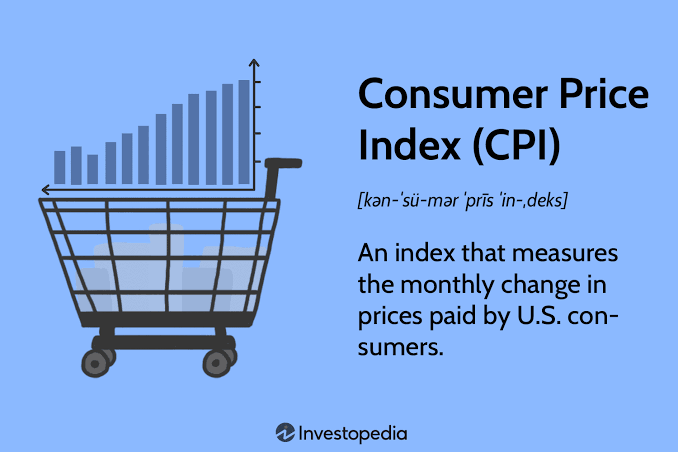
The Consumer Price Index (CPI) is a measure that examines the average change over time in the prices paid by consumers for a basket of goods and services. It serves as a key indicator of inflation, reflecting the purchasing power of consumers and the general price level in the economy.
Components of the CPI
The CPI is composed of several categories that represent various aspects of consumer spending. These categories include:
- Food and Beverages: Prices of groceries and dining out.
- Housing: Costs related to rent, homeownership, and utilities.
- Apparel: Clothing and footwear prices.
- Transportation: Costs of vehicle purchases, fuel, and public transit.
- Medical Care: Healthcare services and products.
- Recreation: Prices of leisure activities and related items.
- Education and Communication: Costs associated with schooling and communication services.
How is the CPI Calculated?
The CPI is calculated using data collected from various sources, including retail businesses and government agencies. The Bureau of Labor Statistics (BLS) is responsible for compiling and publishing CPI data. The calculation involves several steps:
- Selection of Goods and Services: A representative basket of items is chosen based on consumer spending habits.
- Price Collection: Prices for the designated goods and services are collected on a regular basis from multiple locations.
- Weighting: Each item in the basket is assigned a weight based on its importance in the average consumer's budget.
- Index Calculation: The price changes for each item are averaged and weighted to create the CPI.
Interpreting the CPI Report
The CPI report is released monthly and provides insights into inflation trends. For investors, interpreting this report is crucial. Here’s what to look for:
Year-over-Year Changes
The most common way to analyze the CPI is by looking at the year-over-year percentage change. A rising CPI indicates increasing inflation, while a declining CPI suggests deflation or stagnation in prices. Investors should pay attention to these trends as they can signal shifts in consumer behavior and economic health.
Core CPI vs. Headline CPI
Investors should also distinguish between the Headline CPI, which includes all items, and Core CPI, which excludes volatile food and energy prices. Core CPI is often regarded as a more stable measure of inflation. A rise in Core CPI may indicate underlying inflationary pressures that could influence Federal Reserve policy, which is a significant consideration for investors.
The Impact of CPI on Investment Decisions
Understanding how the CPI affects investment decisions is essential for navigating the market. Here are a few ways that inflation data can impact investors:
Interest Rates and Federal Reserve Policy
One of the primary responsibilities of the Federal Reserve is to manage inflation and interest rates. When inflation rises significantly, the Fed may decide to increase interest rates to cool the economy. Higher interest rates can lead to lower stock prices, as borrowing costs rise and consumer spending may decline. Conversely, if inflation is low, the Fed may lower interest rates to stimulate economic growth. Investors should monitor CPI reports closely, as changes in inflation can lead to shifts in monetary policy.
Sector Performance
Different sectors of the economy respond differently to inflation. For example, sectors such as utilities and consumer staples tend to perform better during inflationary periods, as they provide essential goods and services that consumers continue to purchase regardless of price changes. On the other hand, sectors like technology may be more vulnerable to rising interest rates. Investors can use CPI data to identify which sectors may benefit or suffer due to inflation trends.
Portfolio Adjustments
Inflation can erode the purchasing power of money, making it essential for investors to consider inflation protection strategies. This might include incorporating assets such as real estate, commodities, or inflation-protected securities (TIPS) into their portfolios. Understanding CPI trends can help investors make informed adjustments to their asset allocations to better hedge against inflation risks.
Conclusion
Understanding inflation data, particularly the Consumer Price Index, is crucial for investors looking to navigate the complexities of the stock market. By keeping an eye on CPI reports and interpreting the data thoughtfully, investors can gain valuable insights into economic conditions, potential Federal Reserve actions, and sector performance. As inflation continues to be a significant concern for the economy, staying informed will empower investors to make better financial decisions and optimize their investment strategies.
Si quieres conocer otros artículos parecidos a Understanding Inflation Data: What the CPI Report Means for Investors puedes visitar la categoría Macroeconomics & Federal Reserve Policy.
Related posts