
How Fiscal Policy and Government Spending Influence Market Sectors
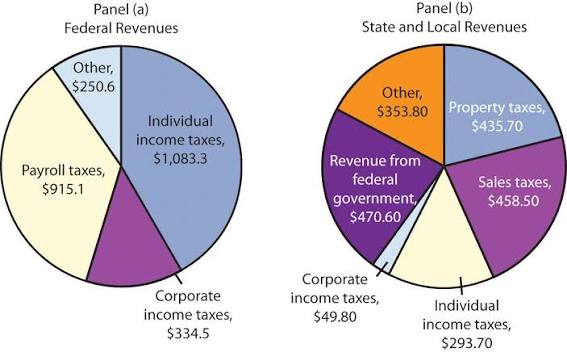
The relationship between fiscal policy, government spending, and the dynamics of market sectors is a fundamental concept in macroeconomics. Understanding how these elements interact can provide investors, policymakers, and the general public with insights into economic trends and potential investment opportunities. This article delves into the mechanisms of fiscal policy, its effects on government spending, and how these factors shape various market sectors.
Understanding Fiscal Policy
Fiscal policy refers to the government's use of taxation and spending to influence the economy. It is a key tool for managing economic activity, stabilizing the economy during downturns, and promoting growth. There are two primary types of fiscal policy: expansionary and contractionary.
- Expansionary Fiscal Policy: This involves increasing government spending and/or decreasing taxes to stimulate economic activity. It is often employed during recessions to boost demand and create jobs.
- Contractionary Fiscal Policy: This entails decreasing government spending and/or increasing taxes to cool down an overheating economy. It aims to control inflation and stabilize economic growth.
The Role of Government Spending
Government spending encompasses all expenditures made by the federal, state, and local governments. These expenditures can take various forms, including infrastructure projects, social programs, education, and healthcare. Government spending plays a critical role in influencing market sectors through several channels:
1. Direct Economic Impact
Government spending directly injects money into the economy, creating demand for goods and services. For instance, when the government invests in infrastructure, it not only creates jobs but also boosts demand for materials and services from construction companies. This creates a ripple effect throughout the economy, benefiting various sectors including manufacturing, transportation, and raw materials.
2. Multiplier Effect
The multiplier effect refers to the phenomenon where an initial increase in spending leads to further spending by consumers and businesses. For example, if the government hires workers for a construction project, those workers will spend their earnings on housing, food, and other necessities, stimulating demand in multiple sectors. This creates a positive feedback loop that can significantly enhance economic growth.
3. Sector-Specific Investments
Government spending often targets specific sectors to achieve policy objectives. For instance, investments in renewable energy can lead to growth in the clean technology sector. Similarly, increased funding for education can boost the technology and service sectors by fostering a more skilled workforce. Understanding these targeted investments allows investors to identify sectors likely to benefit from government spending initiatives.
Fiscal Policy and Market Sector Dynamics
The influence of fiscal policy on market sectors can be observed through various lenses, including investment patterns, consumer behavior, and sector performance. Here’s how fiscal policy and government spending impact different market sectors:
1. Consumer Goods
When expansionary fiscal policy is enacted, consumers often experience increased disposable income through tax cuts or direct payments. This leads to higher spending on consumer goods, benefiting retail and consumer product companies. Conversely, contractionary fiscal policy can reduce consumer spending, negatively impacting these sectors.
2. Infrastructure and Construction
Infrastructure projects are often prioritized during periods of expansionary fiscal policy. Increased government spending in this area directly boosts construction companies and related industries. During economic downturns, however, cuts to infrastructure spending can lead to slowdowns in these sectors.
3. Healthcare
Government spending in healthcare, particularly through programs like Medicare and Medicaid, significantly influences the healthcare sector. Expansionary fiscal policy can lead to increased funding for healthcare services, thereby enhancing the performance of pharmaceuticals, biotech, and healthcare providers. Fiscal policies that cut spending in this area may lead to challenges for these companies.
4. Technology
Investment in education and technology infrastructure often leads to growth in the technology sector. Government initiatives aimed at enhancing digital infrastructure or supporting research and development can create opportunities for tech companies. Additionally, policies that promote innovation can further stimulate growth in this sector.
Challenges of Fiscal Policy
While fiscal policy is an essential tool for economic management, it is not without challenges. The effectiveness of government spending can be hampered by various factors, such as:
- Political Constraints: The political landscape can impact the implementation and effectiveness of fiscal policy. Political disagreements may lead to delays or changes in spending plans.
- Debt Levels: High levels of government debt can limit the ability to implement expansionary fiscal policies, leading to concerns about long-term sustainability.
- Timing Issues: The effects of fiscal policy can take time to materialize, making it challenging to address immediate economic issues effectively.
Conclusion
Fiscal policy and government spending are critical components of macroeconomic management, significantly influencing market sectors. By understanding how these factors interact, investors can make more informed decisions and anticipate changes in sector performance. While fiscal policy can stimulate growth and create opportunities, it is essential to remain mindful of the challenges and limitations that may arise. As the economy evolves, staying informed about the implications of fiscal policy will be crucial for navigating the complex landscape of market sectors.
Si quieres conocer otros artículos parecidos a How Fiscal Policy and Government Spending Influence Market Sectors puedes visitar la categoría Macroeconomics & Federal Reserve Policy.
Related posts