
Stagflation Explained: How to Protect Your Investments During Economic Stagnation
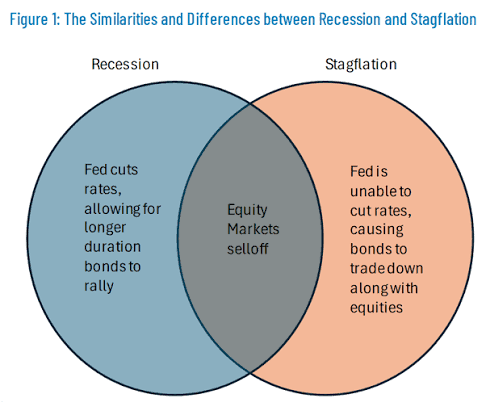
Stagflation is a term that has become increasingly relevant in economic discussions, particularly as markets face various challenges. Defined as a period characterized by stagnant economic growth, high unemployment, and rising inflation, stagflation presents unique challenges for investors. Understanding this phenomenon is crucial for making informed investment decisions during turbulent economic times. In this article, we will explore the causes of stagflation, its implications for the economy and investment landscape, and strategies to safeguard your investments.
What is Stagflation?
Stagflation combines two economic conditions that typically do not occur simultaneously: stagnation and inflation. While stagnation involves slow or no economic growth, inflation refers to the rising prices of goods and services. This paradoxical situation can create a challenging environment for policymakers and investors alike. Historically, stagflation has been associated with periods of economic crisis, where traditional tools to combat inflation, such as raising interest rates, can further hinder growth.
Causes of Stagflation
Understanding the underlying causes of stagflation is essential for both economists and investors. Several factors can contribute to this troubling economic condition:
- Supply Shocks: Sudden increases in the prices of essential goods, such as oil, can lead to increased production costs, resulting in inflation while slowing economic growth.
- Monetary Policy: Poor monetary policy decisions, such as excessive money supply growth, can contribute to inflation without fostering economic growth.
- Structural Issues: Long-term structural problems in the economy, such as a decline in productivity or a mismatch between skills and job opportunities, can exacerbate both unemployment and inflation.
- Expectations of Inflation: If consumers and businesses expect rising prices, they may adjust their behavior in ways that can contribute to inflation, even in a stagnant economy.
Implications of Stagflation for Investors
Stagflation poses several challenges for investors, making it difficult to navigate the market effectively. Some key implications include:
- Reduced Corporate Profits: As costs rise and consumer spending slows, corporate profits may decline, impacting stock prices.
- Interest Rate Hikes: Central banks may respond to inflation by increasing interest rates, which can lead to a decrease in asset prices, particularly in the bond market.
- Market Volatility: The uncertainty surrounding stagflation can lead to increased market volatility, making it challenging for investors to formulate long-term strategies.
- Shifts in Consumer Behavior: Consumers may change their spending habits during stagflation, prioritizing essential goods over discretionary items, affecting various sectors.
Strategies to Protect Your Investments During Stagflation
While stagflation presents significant challenges, investors can adopt several strategies to protect their portfolios and potentially capitalize on emerging opportunities:
Diversify Your Portfolio
Diversification is a fundamental principle of investing. By spreading your investments across various asset classes, sectors, and geographic regions, you can mitigate risk. During stagflation, consider incorporating assets that historically perform well in inflationary environments, such as:
- Precious metals (e.g., gold and silver)
- Real estate investment trusts (REITs)
- Commodities (e.g., oil and agricultural products)
Focus on Quality Stocks
Investing in companies with strong balance sheets, robust cash flows, and competitive advantages can help weather economic downturns. Look for businesses that can maintain profitability, even in challenging environments. These companies often possess:
- Strong brand loyalty
- Pricing power to pass on costs to consumers
- Low debt levels
Consider Inflation-Protected Securities
Inflation-protected securities, such as Treasury Inflation-Protected Securities (TIPS), can provide a hedge against rising prices. These bonds adjust with inflation, ensuring that your investment retains its purchasing power.
Maintain a Cash Reserve
Having a cash reserve can provide flexibility during uncertain times. A well-stocked cash position allows you to take advantage of buying opportunities when asset prices decline. Aim to keep a portion of your portfolio in cash or cash equivalents for liquidity.
Conclusion
Stagflation presents a complex challenge for investors, blending stagnant growth with rising inflation and unemployment. By understanding its causes and implications, you can better navigate this economic environment. Implementing strategies such as diversifying your portfolio, focusing on quality stocks, considering inflation-protected securities, and maintaining a cash reserve can help safeguard your investments. While stagflation can be daunting, a proactive approach can position you to weather the storm and potentially emerge stronger when economic conditions improve.
Si quieres conocer otros artículos parecidos a Stagflation Explained: How to Protect Your Investments During Economic Stagnation puedes visitar la categoría Macroeconomics & Federal Reserve Policy.
Related posts